What That Dashboard Warning Light Really Means (and When to Take Action)
Modern vehicles are smarter than ever, equipped with advanced sensors and electronic systems designed to keep drivers informed about potential issues. But for many, the sudden appearance of a dashboard warning light can feel like a cryptic message from the car’s computer. Understanding these symbols is critical for safe driving and can help prevent small problems from escalating into expensive repairs. If you’re driving around La Grande, OR, and see a light flicker on, don’t panic just yet. Let’s break down what your dashboard warning lights are really telling you and when it’s time to take action.
What Does My Dashboard Light Mean?
When you start your car, you might notice several lights flashing briefly across your dashboard. This is normal, as the vehicle performs a quick system check. These lights usually turn off after a few seconds. However, if a warning light stays on or appears while you’re driving, it’s time to pay attention.
Each dashboard warning light is color-coded to signify the urgency of the issue. A red light typically means there’s a serious problem that needs immediate attention, such as low oil pressure or a brake system failure. A yellow or orange light suggests something needs service soon but may not be urgent. Green or blue lights are generally informational, like high-beam indicators or cruise control activation.
Still, identifying what your car is trying to communicate can be confusing. For instance, the tire pressure warning light looks like a horseshoe with an exclamation point in the center. Many drivers may not know this is a signal from the TPMS (Tire Pressure Monitoring System), alerting you to low air pressure in one or more tires. Recognizing these icons and understanding their meaning can help prevent accidents or costly repairs.
The Infamous Check Engine Light
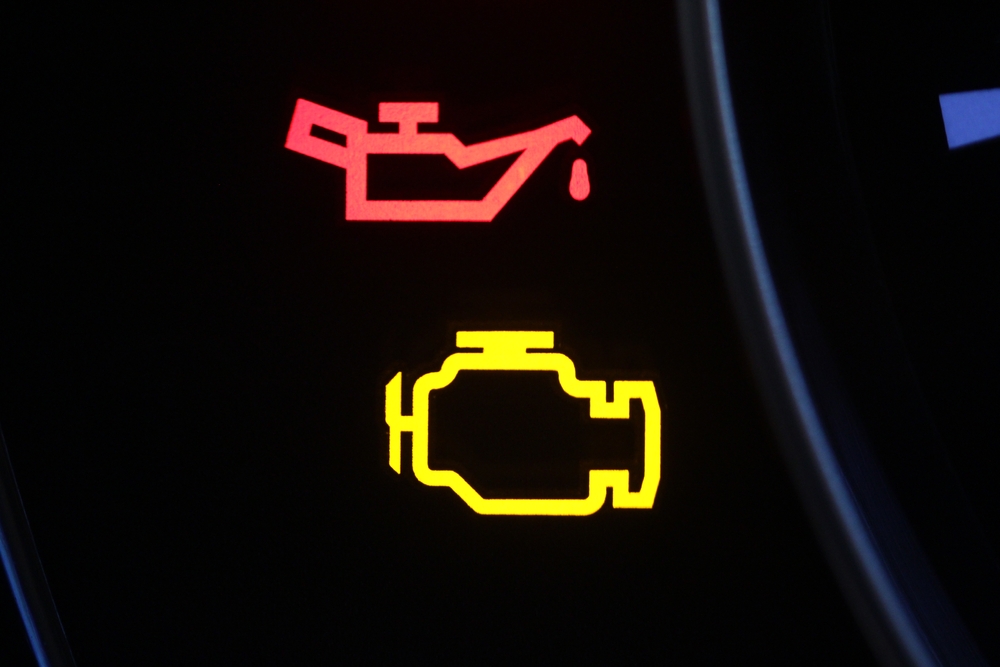
Among all the dashboard warning lights, few inspire as much dread as the check engine light. It’s a broad warning that could mean anything from a loose gas cap to a serious engine malfunction. If this light comes on while you’re driving in La Grande, OR, it doesn’t always mean you need to pull over immediately, but you should not ignore it.
The check engine light is part of the vehicle’s onboard diagnostics system. When the engine control unit detects a problem that affects emissions or engine performance, it triggers this warning. Some cars will also display an error code that can be read using a diagnostic tool, helping a mechanic pinpoint the issue more accurately.
Sometimes the check engine light might flash instead of staying steady. A flashing check engine light is a sign of a severe issue, like a misfiring engine, which could cause damage to the catalytic converter. In such cases, it’s best to reduce your speed and seek auto repair in La Grande, OR, as soon as possible. Ignoring the check engine light can lead to higher emissions, lower fuel efficiency, and more extensive damage over time.
Common Car Warning Lights Meaning
Beyond the check engine light, your car’s dashboard is home to a variety of other warning indicators. Understanding the meaning behind these lights can help you take the right steps to ensure your vehicle remains in good working order.
The battery light, for instance, signals an issue with your charging system. This could be a dying battery, a failing alternator, or a problem with the wiring. If this light comes on, your car could lose power and eventually stall. It’s wise to get your electrical system checked out quickly.
The oil pressure warning light resembles an old-fashioned oil can. When this light illuminates, it means oil pressure is too low, which could lead to engine damage. Pull over safely and check your oil level. If it’s low, topping it up may help, but a persistent warning requires professional inspection.
Another important warning is the temperature gauge light. If it comes on, your engine may be overheating. This could be due to low coolant, a failed thermostat, or a broken water pump. Overheating can severely damage an engine, so if this light appears, it’s crucial to turn off the engine and let it cool before taking further action.
Brake system warnings are also critical. A red exclamation point inside a circle often signals a serious issue with your braking system, such as low brake fluid or worn brake pads. If this light comes on while driving, avoid using the brakes harshly and have your car inspected immediately.
When to Take Immediate Action
Knowing when to act can be the difference between a quick fix and an expensive repair. Some dashboard warning lights indicate immediate danger and require you to pull over and turn off the engine right away.
If you see the oil pressure light, overheating warning, or a flashing check engine light, stop driving as soon as it’s safe. Continuing could result in irreversible engine damage. For warning lights related to the brakes, steering system, or airbags, it’s equally important to get the vehicle checked out without delay, even if the car seems to drive normally.
In La Grande, OR, where extreme weather conditions and mountainous roads can add stress to your vehicle, ignoring these warnings may lead to a breakdown in an inconvenient or unsafe location. Trust your instincts as a driver. If your car feels different, sounds strange, or shows any signs of trouble in addition to a warning light, it’s time to seek professional help.
Getting Reliable Auto Repair in La Grande, OR
If you’re unsure about the meaning behind your dashboard warning lights, don’t gamble with your safety. Local auto repair shops in La Grande, OR, have the tools and expertise to read diagnostic codes and inspect your vehicle thoroughly. Many shops offer free or affordable diagnostic scans that can identify the root cause of a dashboard alert.
When choosing where to go, look for certified technicians who specialize in your vehicle’s make and model. A reputable auto repair shop will not only explain what the warning lights mean but also outline your repair options and costs clearly. Transparency is key, especially when dealing with complex systems like the engine, transmission, or electronic control units.
Many shops in La Grande also offer preventive maintenance services. Routine inspections, oil changes, fluid top-offs, and tire checks can catch issues before they trigger a dashboard warning. Staying on top of maintenance is one of the best ways to keep warning lights from appearing in the first place.
Conclusion
Dashboard warning lights are your car’s way of communicating with you. Whether it’s the check engine light or a less familiar symbol, each one is designed to protect your vehicle and keep you safe on the road. Understanding what your dashboard light means can help you respond appropriately, from topping off fluids to seeking immediate repairs.
In La Grande, OR, where vehicles often face a mix of weather conditions and terrain, paying attention to these warnings is especially important. Whether you’re dealing with a minor issue or a critical fault, taking prompt action can save you time, money, and potential breakdowns.
The next time a dashboard light comes on, don’t ignore it. Listen to what your car is trying to say, and if you’re in doubt, schedule a visit to a trusted local mechanic. The peace of mind that comes from knowing your vehicle is safe and sound is well worth the effort.
Need a Mechanic in La Grande, OR?
Our team here at Integrity Automotive has provided quality auto repair services for our customers since 2003. We are a full service auto repair shop and specialize many types of vehicles, including European models such as BMW and Audi, as well as diesel trucks. Our services include engine repair, transmission services, and many more services. Moreover, we are ASE certified and are a proud member of NFIB, and we are a certified NAPA auto care center. Call or come in for immediate service!