
When Should You Replace Your Wheel Bearings? Warning Signs Drivers Should Know
You’re driving along Interstate 84 near La Grande when you notice a faint humming sound coming from somewhere around your wheels. At first, it sounds like ordinary road noise, but as you pick up speed, the sound becomes more noticeable. Maybe you also feel a slight vibration or notice that your vehicle doesn’t handle quite the way it used to. Naturally, you’re wondering whether something serious is happening and how quickly you need to get it checked.
For drivers throughout La Grande, OR, and the surrounding Eastern Oregon communities, unusual wheel noises can indicate several mechanical concerns, including worn or damaged wheel bearings. These components play an essential role in allowing your wheels to rotate smoothly while supporting the vehicle’s weight.
Wheel bearing replacement becomes necessary when a bearing is worn, damaged, excessively loose, or no longer operating properly. Because bearing problems can worsen and potentially compromise wheel-end safety, unusual symptoms deserve professional attention rather than a wait-and-see approach.
Here are some warning signs worth recognizing:
- Humming or rumbling: A low-pitched noise that increases with vehicle speed may indicate bearing wear.
- Grinding sounds: A harsh grinding noise from wheel areas can signal significant mechanical damage requiring prompt attention.
- Changes during turns: Some wheel bearing noises become louder or quieter when the vehicle changes direction.
- Unusual vibrations: Vibrations through the steering wheel, floor, or seat may accompany certain wheel bearing problems.
- Wheel looseness: Excessive movement at a wheel can indicate a serious problem that requires immediate professional evaluation.
At Integrity Automotive, we provide automotive repair and maintenance services for drivers throughout La Grande and Union County. Our team works with foreign, domestic, and diesel vehicles, helping customers investigate unusual noises, handling changes, and other mechanical concerns before they become more serious.
What Are Wheel Bearings, and Why Are They Important?
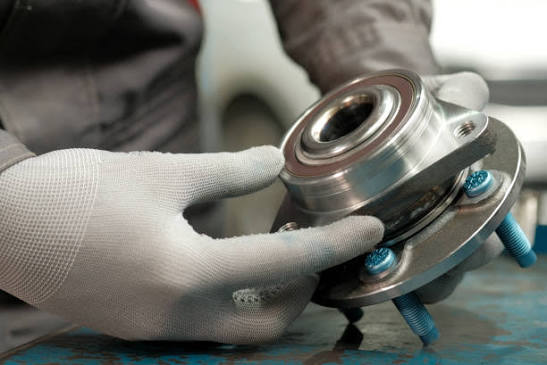
Wheel bearings are precision components containing steel balls or rollers that allow a vehicle’s wheels to rotate smoothly while supporting significant loads. They are located within wheel-end assemblies and help manage the forces generated by driving, turning, braking, and changing road conditions.
How Wheel Bearings Work
As your vehicle moves, the wheels rotate thousands of times during an ordinary trip.
The wheel bearings allow this rotation while reducing friction between moving components.
Depending on the vehicle, bearings may be incorporated into sealed wheel hub assemblies or use other serviceable designs.
Properly functioning bearings help maintain smooth wheel movement and support the stability of the wheel assembly.
Why Bearing Condition Matters
A worn wheel bearing can develop excessive internal friction, looseness, or damage to its rolling surfaces.
These changes may produce noise, affect how the wheel rotates, and interfere with normal vehicle operation.
For drivers travelling between La Grande and Pendleton or commuting from smaller Union County communities, maintaining dependable wheel-end components is particularly important during longer highway trips.
What Are the Most Common Signs of Bad Wheel Bearings?
The most common signs of bad wheel bearings include humming, growling, rumbling, grinding, and changes in noise when the vehicle turns. Some failures may also involve excessive wheel movement or noticeable handling changes, although these symptoms can have other mechanical causes.
A Humming Noise While Driving
A humming noise while driving is one of the more recognizable symptoms associated with wheel bearing wear.
The sound may begin quietly and become more prominent as the vehicle gains speed.
Unlike engine noises, which often change with engine RPM, bearing-related sounds commonly correspond more closely with wheel speed.
For example, you might hear very little while driving through downtown La Grande but notice a steady hum after entering Interstate 84.
However, certain tire conditions can produce similar sounds, so a humming noise alone doesn’t confirm a bearing problem.
Rumbling or Growling Sounds
A failing bearing may create a deeper rumbling or growling sound.
Some drivers compare it to the sound of driving over a rough road surface, even when the pavement is relatively smooth.
The sound may remain consistent during straight-line travel or change as the vehicle turns.
If you’re noticing this type of noise, professional inspection can help determine whether it originates from a wheel bearing or another component.
Grinding Noise From a Wheel
A grinding noise from a wheel can indicate a more serious mechanical concern.
Damaged bearing surfaces may produce harsh grinding as components move against one another.
However, braking system problems and other wheel-end issues can also create grinding sounds.
Because severe grinding may indicate significant damage, stop driving when safe and arrange professional assistance rather than continuing a long trip.
Noise That Changes When Turning
Bearing noise can sometimes become louder or quieter when the vehicle turns.
Turning shifts the load between the wheels, which may change the sound produced by a damaged bearing.
For example, you may notice a humming sound becomes more pronounced while navigating a curve outside Union or along a winding section of highway.
However, this pattern isn’t a reliable way for drivers to identify exactly which bearing has failed.
A mechanic should evaluate the vehicle before any replacement decisions are made.
Can Bad Wheel Bearings Cause Vibrations or Handling Problems?
Bad wheel bearings can sometimes cause vibrations, excessive wheel movement, and handling changes when wear becomes significant. However, these symptoms aren’t exclusive to wheel bearing failure, so professional diagnosis is important before assuming a particular component is responsible.
Steering Wheel or Cabin Vibrations
Some bearing problems can produce vibrations felt through the steering wheel, seat, or vehicle floor.
The severity may change with speed or road conditions.
Because wheel imbalance, tire damage, and other mechanical concerns can create similar sensations, vibration alone doesn’t establish a bearing diagnosis.
Loose or Unstable Wheel Movement
Excessive looseness in a wheel-end assembly can be a serious warning sign.
It may indicate bearing deterioration or another issue involving components responsible for supporting the wheel.
Drivers should never attempt to judge wheel looseness by reaching beneath an unsupported vehicle or conducting unsafe roadside checks.
If a wheel appears unstable or the vehicle becomes difficult to control, stop in a safe location and arrange towing or roadside assistance.
Unusual Steering Behavior
A vehicle with a significant wheel-end problem may feel different during turns or while travelling at highway speeds.
However, steering changes can also result from other mechanical conditions.
A qualified technician can evaluate the source of the problem and recommend appropriate next steps.
When Should You Replace Wheel Bearings?
Wheel bearings should be replaced when a qualified mechanic confirms excessive wear, mechanical damage, abnormal looseness, or another condition that makes the component unfit for continued service. There isn’t a universal replacement mileage because bearing life varies according to vehicle design, operating conditions, and maintenance history.
Replacement Based on Condition
Unlike engine oil, wheel bearings don’t follow the same routine replacement schedule across every vehicle.
Some bearings remain serviceable for many years, while others experience premature wear or damage.
The appropriate replacement decision depends on inspection findings and manufacturer guidance.
Damaged or Contaminated Bearings
Bearings may deteriorate when lubrication is compromised or contamination reaches internal components.
Some vehicle designs use sealed assemblies that cannot be serviced in the same way as traditional adjustable bearings.
In those cases, replacement of the appropriate bearing or hub assembly may be necessary.
Significant Noise or Looseness
A confirmed bearing fault that produces substantial noise, grinding, or excessive movement shouldn’t be ignored.
Continued operation may increase damage and create additional safety concerns.
For drivers who rely on their vehicles for work or long-distance travel throughout Eastern Oregon, arranging a timely assessment is generally better than waiting for symptoms to become severe.
What Causes Wheel Bearings to Wear Out?
Wheel bearings can wear out because of normal operating loads, contamination, impact damage, improper installation, or deterioration of internal components. Road conditions and driving demands may also influence how quickly an existing problem becomes noticeable.
Normal Use Over Time
Wheel bearings carry substantial loads while rotating continuously during vehicle operation.
Over time, rolling surfaces and other internal components may develop wear.
However, the rate of deterioration varies considerably between vehicles.
Impacts and Road Hazards
Strong impacts from potholes, curbs, or other road hazards can damage wheel-end components.
For drivers travelling on rural roads throughout Union County, unexpected rough sections can place additional stress on a vehicle.
A single impact doesn’t necessarily mean a bearing has failed, but new noises following a significant impact deserve attention.
Moisture and Contamination
Water and debris entering a bearing assembly can interfere with lubrication and accelerate damage.
Modern sealed bearings are designed to limit contamination, but seals and surrounding components can become damaged.
For Eastern Oregon drivers encountering winter moisture, snow, and road debris, maintaining the condition of wheel-end components is part of responsible vehicle care.
Improper Installation or Previous Repairs
Incorrect installation procedures or improper component tightening can contribute to premature bearing failure.
Wheel hub assemblies often require specific installation methods and torque specifications.
This is one reason bearing work should be performed by qualified automotive professionals using appropriate service information.
Is It Safe to Drive With a Bad Wheel Bearing?
Driving with a suspected bad wheel bearing can be unsafe because bearing deterioration may progress and affect wheel-end operation. The level of risk depends on the damage, but drivers cannot reliably determine the severity of a bearing problem from noise alone.
Mild Noise Still Deserves Attention
If you notice a new humming or rumbling sound, schedule a professional evaluation rather than assuming the vehicle is safe indefinitely.
Although the noise may have another cause, delaying an inspection can allow a developing bearing problem to worsen.
Avoid unnecessary long trips until you understand the source of the sound.
When to Stop Driving
Certain symptoms require more urgent action, including:
- Severe grinding or metallic scraping.
- Noticeable wheel wobbling or looseness.
- Significant changes in steering or handling.
- Strong vibration accompanied by unusual wheel noise.
- A wheel-end problem that appears to worsen suddenly.
If these symptoms occur, stop in a safe location as soon as possible.
Do not continue driving simply because the vehicle still moves. Arrange towing or professional roadside assistance when the vehicle’s condition may compromise safety.
Why Prompt Attention Matters in Eastern Oregon
A mechanical problem can become particularly inconvenient when it occurs far from home.
For someone travelling between La Grande and Baker City, a serious wheel-end failure could create safety and transportation problems along a highway route.
Having unusual noises evaluated before extended travel can help reduce the likelihood of encountering a worsening problem in a remote location.
How Does a Mechanic Determine Whether a Wheel Bearing Is Bad?
A mechanic determines whether a wheel bearing is bad by evaluating reported symptoms and checking relevant wheel-end components for evidence of abnormal noise, movement, or damage. The exact diagnostic process varies depending on the vehicle and the condition being investigated.
Reviewing the Symptoms
A technician may begin by asking when the noise occurs.
Helpful details include whether the sound changes with vehicle speed, turning, braking, or road surface.
For example, a hum that becomes louder with increasing road speed may suggest a different problem from a noise that occurs only while braking.
Evaluating the Wheel Assembly
A professional inspection may include checking accessible components for looseness or other signs of damage.
Depending on the vehicle, additional procedures may be necessary to distinguish a bearing problem from other mechanical issues.
Because similar sounds can originate from different components, accurate diagnosis helps avoid unnecessary parts replacement.
Explaining the Findings
After identifying the source of the problem, a qualified mechanic can explain which components require attention.
Some vehicles use individual replaceable bearings, while others incorporate the bearing into a larger hub assembly.
The recommended repair should reflect the vehicle’s design, the extent of damage, and manufacturer service procedures.
At Integrity Automotive, we provide automotive repair and diagnostic services in La Grande. If you suspect a wheel bearing issue, contact our team to discuss your symptoms and ask about appropriate inspection and repair availability.
What Should Drivers Expect From Wheel Bearing Repair?
Wheel bearing repair generally involves replacing a confirmed damaged bearing or hub assembly using procedures appropriate for the specific vehicle. The scope of work varies by make, model, drivetrain configuration, and whether additional components have been affected.
Understanding the Repair Scope
Some vehicles allow the bearing to be replaced separately.
Others use integrated hub-and-bearing assemblies, which can affect the parts and labor involved.
A technician may also need to evaluate related components if excessive bearing movement or damage has occurred.
Why Repair Costs Vary
Wheel bearing replacement costs differ based on the vehicle’s design, component accessibility, parts requirements, and labor.
A front bearing assembly on one vehicle may require a different procedure from a rear bearing on another.
For that reason, general online prices may not reflect the actual work needed for your car or truck.
Confirming the Repair
After an appropriate repair, the vehicle should no longer exhibit symptoms caused by the replaced bearing.
However, any unrelated noises or handling concerns may still require separate attention.
Before authorizing work, ask which problem has been identified and what the recommended repair is intended to address.
How Can La Grande Drivers Help Protect Their Wheel Bearings?
Drivers can help protect wheel bearings by addressing unusual noises promptly, avoiding unnecessary impacts, and following appropriate vehicle maintenance recommendations. Although bearings eventually wear and some failures are unavoidable, timely attention may help limit additional damage.
If you encounter a severe pothole or curb impact, pay attention to any new mechanical sounds afterward.
Likewise, don’t assume that a developing hum is normal simply because it has been present for several weeks.
For rural drivers travelling between La Grande, Elgin, Imbler, Cove, and North Powder, dependable transportation is essential for work, school, and everyday errands.
Including unusual noises in your maintenance conversations can help your mechanic identify concerns before they become more disruptive.
Frequently Asked Questions About Wheel Bearing Replacement
1. What are the first signs of bad wheel bearings?
Early signs often include humming, growling, or rumbling sounds that become more noticeable as vehicle speed increases. Some noises also change during turns. However, similar symptoms can come from other components, so a professional inspection is necessary to confirm the cause.
2. How do I know if a humming noise in my car is a wheel bearing?
A bearing-related humming noise often changes with wheel speed and may become louder or quieter when turning. However, tire noise and other mechanical issues can sound similar. A qualified mechanic can evaluate the symptoms and help identify the source.
3. How often should wheel bearings be replaced?
Wheel bearings don’t have a universal replacement mileage. Their service life depends on the vehicle, component design, driving conditions, and other factors. Replacement is generally recommended when inspection confirms significant wear, damage, or excessive looseness.
4. Can I drive from La Grande to Pendleton with a bad wheel bearing?
You shouldn’t assume a vehicle is safe for an extended highway trip when a wheel bearing problem is suspected. Have the issue evaluated before travelling, and avoid driving if you’re experiencing severe grinding, wheel wobble, or serious handling changes. Towing may be necessary.
5. Can a bad wheel bearing cause grinding noises?
Yes, a damaged bearing may produce grinding sounds when its internal components deteriorate. However, braking problems and other wheel-end issues can also create grinding noises. Because grinding may indicate significant damage, arrange prompt professional evaluation.
6. Is wheel bearing replacement expensive in La Grande, OR?
The cost depends on the vehicle’s make and model, the affected wheel, component design, and labor requirements. Some vehicles use integrated hub assemblies, while others have different service procedures. Contact a repair shop for an estimate based on the specific diagnosis.
7. Can a wheel bearing fail without making noise?
Yes, some bearing problems may develop without obvious noise or may produce symptoms that are difficult to recognize. Unusual wheel movement, changes in handling, or other concerns may indicate a problem. Regular maintenance discussions and timely inspections remain important.
8. Can Integrity Automotive inspect unusual wheel noises in La Grande?
We provide automotive repair and diagnostic services for foreign, domestic, and diesel vehicles in La Grande and surrounding Eastern Oregon communities. Contact our team to describe your symptoms and ask about scheduling an appropriate inspection or discussing available repair services.
Don’t Ignore Wheel Bearing Warning Signs in La Grande, OR
A humming noise, unusual vibration, or grinding sound might seem like a minor inconvenience at first, especially when your vehicle still starts, drives, and gets you where you need to go. However, wheel bearings play an important role in supporting wheel movement, and problems involving these components can become more serious over time. For drivers throughout La Grande and Union County, recognizing the warning signs and seeking professional guidance can help protect vehicle reliability and reduce the possibility of additional damage. Whether you’re commuting on Interstate 84 or travelling rural roads throughout Eastern Oregon, paying attention to changes in how your vehicle sounds and handles is an important part of responsible ownership.
At Integrity Automotive, we know how much our customers depend on reliable transportation for work, family responsibilities, and everyday travel. Our team provides automotive repair, maintenance, and diagnostic services to help local drivers understand mechanical problems and make informed decisions about necessary repairs. If you’ve noticed a persistent humming noise, grinding near a wheel, or another unusual symptom, don’t wait for the problem to become more severe. We’re available to discuss your concerns and help you determine the next appropriate step.
Contact Integrity Automotive today to ask about a wheel bearing inspection in La Grande, OR, and get professional guidance about unusual wheel noises or suspected bearing problems.