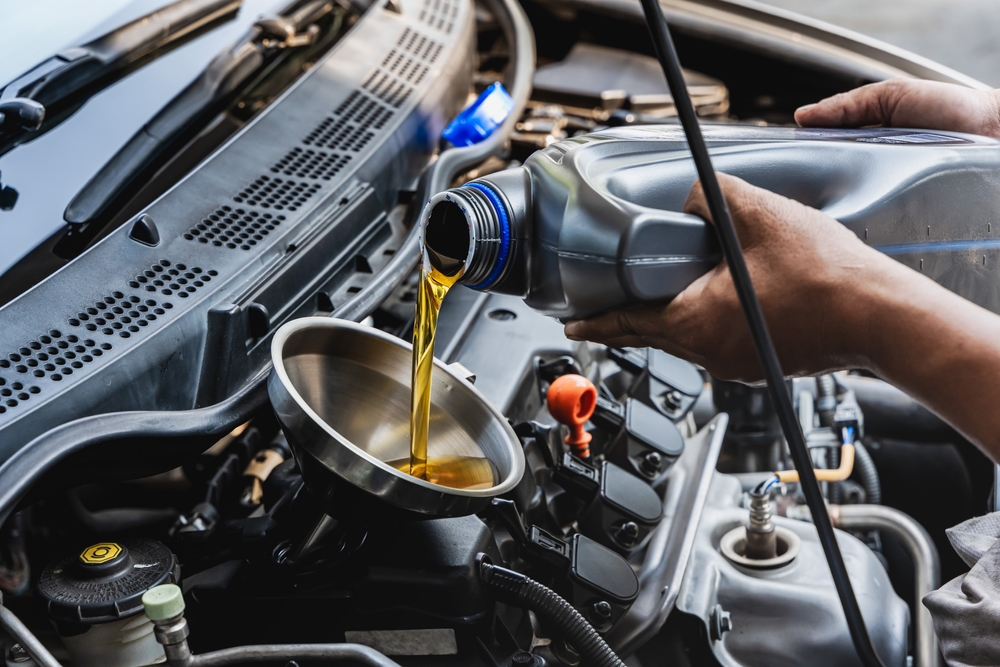
Winter driving in La Grande, OR can be beautiful but also incredibly challenging. Snow and ice can turn an ordinary drive into a dangerous experience if your vehicle isn’t properly prepared. Whether you’re a long-time local or new to the area, understanding how to tackle winter car maintenance is essential for safety and performance. From frigid morning starts to slippery roads, taking the right steps in advance can help you stay safe and avoid costly repairs. This guide walks you through everything you need to know to prepare your car for winter in La Grande and tackle cold-weather driving with confidence.
Understanding the Winter Hazards in La Grande, OR
Located in northeastern Oregon, La Grande experiences snowy and icy winters that can begin as early as late October and stretch into March. With an elevation over 2,700 feet, this mountainous city is no stranger to low temperatures and treacherous road conditions. This climate places increased stress on your vehicle, from your battery and tires to your windshield and fluids.
La Grande drivers face unique conditions compared to milder parts of Oregon. Black ice on backroads, heavy snow accumulation, and freezing temperatures require local motorists to take winter car maintenance seriously. Winter auto service in La Grande isn’t just an optional convenience; it’s a necessity to protect your vehicle and your safety on the road. Proactive care now can prevent emergencies later, especially when traveling on remote rural highways or during snowstorms.
Pre-Winter Vehicle Inspection: The Foundation of Cold Weather Prep
One of the smartest things you can do is schedule a comprehensive winter auto service in La Grande before the first big storm hits. This inspection should cover all essential systems to ensure your vehicle is equipped for the cold. A mechanic familiar with regional weather can check and service components specifically affected by freezing conditions.
Start with your battery, as low temperatures can slash its efficiency. Batteries older than three years are particularly prone to failure in the cold. Brake systems should be evaluated for wear and responsiveness, especially since stopping distances increase on icy roads. Inspect belts and hoses for brittleness, as these parts can crack when exposed to cold.
Your heating and defrosting systems should be tested to ensure visibility and comfort. Wiper blades may need to be replaced with winter-grade versions, and windshield washer fluid should be rated for sub-zero use. Antifreeze levels and concentration are critical to prevent the engine from freezing, while your oil may need to be switched to a lower viscosity type better suited to frigid temperatures.
Don’t overlook lights; headlights and taillights are essential for visibility during snowstorms or foggy mornings. All of this preventive work lays the groundwork to prepare your car for winter and minimize the risk of breakdowns during the coldest months.
Tires and Traction: Your First Line of Defense
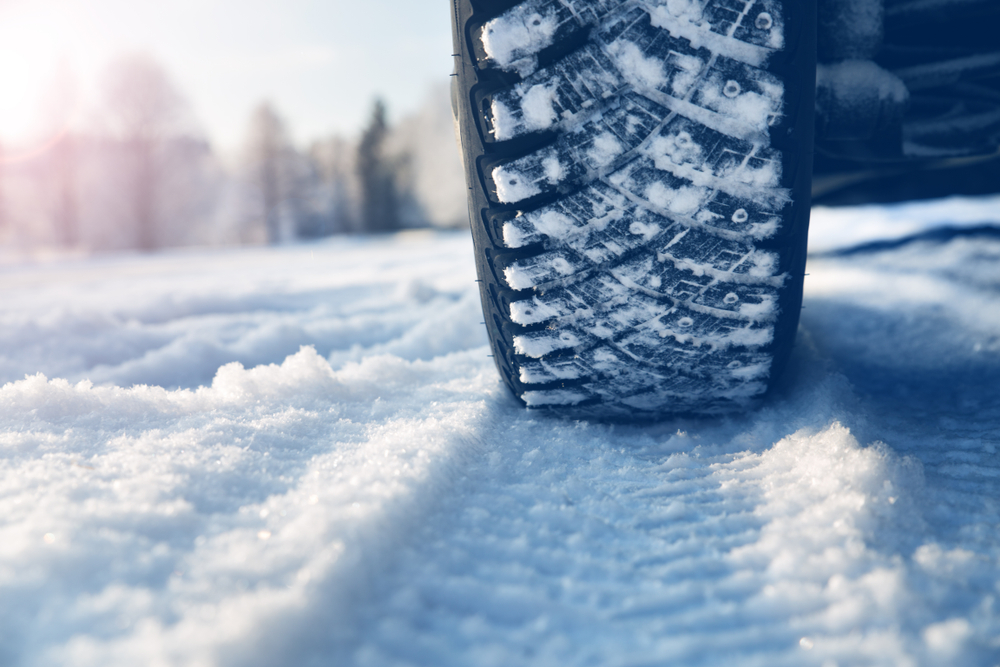
Perhaps the most vital part of winter readiness in La Grande is your tires. Snow and ice demand far more from your tires than dry pavement. All-season tires may not provide the grip necessary in deep snow or during freezing rain. Investing in winter tires, designed with special tread patterns and rubber compounds, is a smart move for La Grande’s climate.
If you already have winter tires, inspect them for tread depth and signs of uneven wear. Tire pressure should be checked frequently, as it drops with the temperature. Under-inflated tires reduce control and increase wear, which can be dangerous on slick roads.
In extreme conditions, traction devices like snow chains may be required by law on mountain passes near La Grande. Know how to properly install them before you need them, and carry them in your vehicle throughout the season. Your owner’s manual will guide you on compatibility and proper use.
Remember that good tires and traction don’t eliminate the risks of winter driving but significantly improve your control and stopping ability. Snow and ice driving tips often start with tire quality because it’s your only direct contact with the road.
Winter Driving Techniques to Stay Safe on La Grande Roads
Even the best-maintained vehicle can become dangerous if you’re not adjusting your driving habits for winter. Snow and ice driving tips can make a real difference when roads turn slick. In La Grande, OR, hills, curves, and remote roads add an extra layer of complexity to your winter commute.
Always allow extra time to reach your destination. Rushing leads to overcorrection, aggressive braking, and risky turns. Accelerate and decelerate slowly to avoid spinning out. Increase your following distance by at least five to six seconds behind the vehicle in front of you.
Use gentle steering motions, and never use cruise control on icy roads. If you do begin to skid, remain calm. Steer into the skid and avoid slamming on the brakes. For vehicles with anti-lock brakes (ABS), apply steady pressure. If you drive a manual transmission, shift gears carefully to prevent jerking.
On steep grades common in La Grande, downshift before heading downhill to control speed without riding the brakes. If visibility becomes limited by snow or fog, pull over safely and wait it out rather than risk an accident.
If your vehicle gets stuck, avoid spinning the wheels; this can dig you in deeper. Use sand, kitty litter, or traction mats to help regain grip. Keep winter emergency supplies on hand, including a blanket, flashlight, shovel, and food.
Daily Habits for Cold Weather Vehicle Prep
Cold weather vehicle prep doesn’t end after the first snowfall. Daily and weekly habits ensure your car continues to perform all winter long. Each morning, take time to warm your car up for a few minutes. While modern engines don’t require long warm-up periods, a brief idle helps circulate fluids and clear frost from the windshield.
Clear all snow and ice from your windows, roof, and lights before driving. Snow left on your roof can blow onto your windshield or affect other drivers. Keep your gas tank at least half full to prevent the fuel lines from freezing and reduce the risk of getting stranded far from a gas station.
Listen to your car. Unusual sounds, sluggish starts, or warning lights can signal developing problems. Addressing them early can prevent a roadside emergency. Check tire pressure regularly, especially during cold snaps, and top off washer fluid often.
If you live in an area that frequently gets heavy snow, consider using a car cover or parking in a garage whenever possible. This reduces the amount of frost build-up and protects the body from harsh conditions. Regularly rinse off road salt to avoid rust, especially along the undercarriage.
Staying consistent with these habits ensures your vehicle stays reliable, no matter how harsh the winter in La Grande becomes.
Conclusion
Surviving the winter roads in La Grande, OR takes more than just caution; it takes preparation. From winter auto service in La Grande to consistent cold weather vehicle prep, every action you take now helps prevent problems when the snow falls and temperatures plummet. Understanding how to prepare your car for winter includes everything from choosing the right tires to practicing safe driving techniques during icy conditions.
The combination of professional inspections, responsible driving, and daily maintenance will not only keep you safer on the road but also extend the life of your vehicle. Whether you’re heading up to the mountains or simply commuting to work, reliable transportation is critical during winter months.
Don’t wait until the first storm arrives. Begin your winter car maintenance early, and equip yourself with the knowledge and tools needed to handle whatever the La Grande winter has in store. Safe travels and stay warm out there.
Need a Mechanic in La Grande, OR?
Our team here at Integrity Automotive has provided quality auto repair services for our customers since 2003. We are a full service auto repair shop and specialize many types of vehicles, including European models such as BMW and Audi, as well as diesel trucks. Our services include engine repair, transmission services, and many more services. Moreover, we are ASE certified and are a proud member of NFIB, and we are a certified NAPA auto care center. Call or come in for immediate service!
In Eastern Oregon, drivers often depend on their vehicles to handle rugged terrains, fluctuating weather conditions, and long distances between cities. For residents of places like La Grande, OR, having a reliable car isn’t just a convenience, it’s a necessity. This is particularly true for those driving high-mileage vehicles that have already proven their worth over the years.
High-mileage cars are typically considered those with over 100,000 miles on the odometer. While some may view this as a milestone that signals the end of a car’s life, others see it as an opportunity to continue getting value out of a trusted vehicle. The difference between the two perspectives often lies in how well the car has been maintained. That’s where a comprehensive preventative car maintenance approach becomes essential.
Preventative maintenance not only prolongs the life of your vehicle but also helps you avoid costly breakdowns and repairs. In a region like Eastern Oregon, where access to auto repair services can sometimes be limited depending on your location, this type of upkeep can be a game-changer.
Engine and Transmission: Prioritizing the Powertrain
The engine and transmission are the heart and soul of any vehicle. For high-mileage cars, these components need special attention to keep running smoothly. In places like La Grande, OR, where long stretches of highway and mountainous drives are common, the strain on the engine and transmission can add up quickly.
Regular oil changes are the cornerstone of preventative car maintenance. Using high-mileage oil specifically formulated for older engines can reduce leaks and oil consumption. It’s also wise to monitor oil levels more frequently, especially during seasonal changes when temperatures drop or rise suddenly. An engine running low on oil can suffer irreversible damage.
Transmission maintenance is equally crucial. Many drivers mistakenly assume the transmission is a “sealed for life” component, but that mindset can be costly. If your car has surpassed the 100,000-mile mark, consider having the transmission fluid inspected and replaced if necessary. Clean transmission fluid ensures smoother gear shifts and reduces the risk of slippage or overheating.
Additionally, replace spark plugs and ignition coils according to your manufacturer’s recommendation. Worn-out plugs can lead to misfires, reduced fuel economy, and added stress on your engine.
Suspension and Steering: Comfort and Control
Driving a high-mileage car in Eastern Oregon means dealing with uneven rural roads, gravel, and even snow during the colder months. That kind of terrain takes a toll on your vehicle’s suspension and steering systems. If you notice that your car no longer rides as smoothly as it used to, or if steering feels loose or imprecise, these systems likely need inspection.
A thorough high-mileage vehicle checklist should include an evaluation of shocks and struts. These components degrade over time, affecting both ride comfort and vehicle control. Replacing worn shocks can drastically improve handling, especially on winding roads or during emergency maneuvers.
Tie rods, ball joints, and control arms are other parts that endure a lot of stress and should be examined. Failure in any of these can lead to steering issues and uneven tire wear. A preventive check-up at a reputable auto repair shop in La Grande, OR can help identify problems before they turn dangerous.
Regular wheel alignments also play a role in maintaining steering precision and ensuring even tire wear. If your vehicle pulls to one side or your steering wheel is off-center, it’s time to have it checked.
Brakes and Tires: Safety First
In mountainous and rural regions of Eastern Oregon, where sudden stops or sharp turns are common, your braking system must be in top condition. For high-mileage cars, brake pads, rotors, and brake fluid need regular inspection and servicing.
Brake pads naturally wear down over time, and in older vehicles, the calipers and rotors may also require replacement. Listen for squealing or grinding noises when braking, as these are clear signs your brake components need attention. Also, consider having your brake fluid flushed every two to three years to maintain proper hydraulic pressure and braking efficiency.
Tires are another vital component that often gets overlooked. With extended mileage, tires not only wear down but may also dry out or crack, especially in the variable climate of Eastern Oregon. Regularly check for tread depth, sidewall damage, and proper inflation. Investing in quality all-season or winter tires can improve traction and safety on snow-covered or wet roads.
Rotating your tires every 5,000 to 7,000 miles ensures even wear and prolongs their lifespan. It’s a simple yet effective step in your overall preventative car maintenance plan.
Electrical and Cooling Systems: Avoid Overheating and Power Failures
Modern high-mileage vehicles rely heavily on electrical systems, including the alternator, battery, and onboard computers. Ensuring these systems remain functional is especially important in areas like La Grande, OR, where being stranded due to electrical failure could leave you far from assistance.
Start by having your battery tested annually, especially before the winter months. Cold temperatures can reduce battery capacity and lead to unexpected failures. Make sure the battery terminals are clean and free from corrosion, and consider replacing it if it’s more than four years old.
The alternator should also be inspected to ensure it’s providing a consistent charge to the battery and powering your vehicle’s systems. Dimming headlights or flickering dashboard lights may indicate an issue.
The cooling system plays a critical role in preventing engine overheating. Radiator hoses, the water pump, and the thermostat should all be evaluated for signs of wear or leaks. Flushing the coolant every 50,000 miles or as recommended by your car’s manufacturer keeps the system efficient and protects against corrosion and overheating.
Interior and Exterior: Preserving Functionality and Value
While mechanical systems are critical to how to maintain a high-mileage car, the vehicle’s interior and exterior should not be neglected. The inside of your car sees daily wear and tear, from the driver’s seat to electronic controls. Replacing worn-out floor mats, cleaning upholstery, and using sunshades can keep the interior in good shape and extend its usability.
On the exterior, frequent washes and wax applications help protect the paint from the elements. In Eastern Oregon, dust, tree sap, and winter salt can deteriorate a car’s finish over time. If rust spots begin to appear, address them promptly before they spread and cause structural issues.
Functioning headlights, taillights, and windshield wipers are also part of any comprehensive high-mileage vehicle checklist. These features ensure visibility and safety during all driving conditions. Replacing wiper blades every six months and keeping lights clean and operational should become routine.
Lastly, make sure your vehicle’s HVAC system is in good working order. Whether it’s defrosting a fogged windshield or cooling down during a hot summer day, comfort and visibility matter.
Conclusion
Owning a high-mileage car in Eastern Oregon doesn’t have to be a gamble. With consistent preventative car maintenance, you can extend the life of your vehicle and maintain reliability for years to come. From essential engine checks to less obvious areas like the suspension and electrical systems, staying proactive is key.
Living in a region like La Grande, OR means your car plays an essential role in daily life. Don’t wait for problems to arise before giving your vehicle the attention it needs. Instead, use a high-mileage vehicle checklist tailored to your driving environment and make maintenance a regular habit.
A well-maintained car not only serves you longer but does so with fewer breakdowns and a stronger sense of confidence behind the wheel. When in doubt, consult trusted auto repair professionals in your area who understand the unique demands of driving in Eastern Oregon. Taking these steps will ensure that your car, no matter how many miles it’s traveled, continues to perform safely and efficiently.
Need a Mechanic in La Grande, OR?
Our team here at Integrity Automotive has provided quality auto repair services for our customers since 2003. We are a full service auto repair shop and specialize many types of vehicles, including European models such as BMW and Audi, as well as diesel trucks. Our services include engine repair, transmission services, and many more services. Moreover, we are ASE certified and are a proud member of NFIB, and we are a certified NAPA auto care center. Call or come in for immediate service!
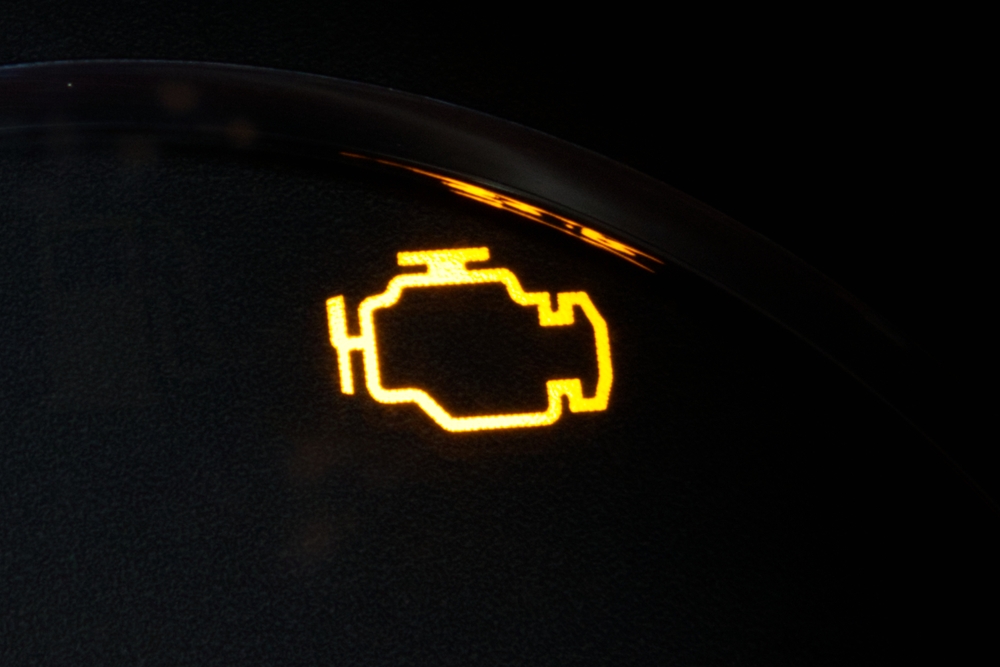
When the check engine light comes on, it can create an immediate sense of worry. Whether you are driving across town or heading out on a long trip through La Grande, OR, that glowing icon on the dashboard is your vehicle’s way of signaling that something needs attention. Sometimes the cause is minor, but in other cases it could point to a serious problem that requires immediate auto repair in La Grande, OR.
This light is part of your car’s onboard diagnostics system. Modern vehicles constantly monitor performance and emissions, and when a sensor detects something unusual, it triggers the check engine light. The system is tied to various components, including the engine, transmission, fuel system, and exhaust. Because the warning covers so many possibilities, the only way to be certain about the issue is through proper engine diagnostics in La Grande.
Many drivers are tempted to ignore the light if the car still feels like it is running smoothly. That decision can turn a small issue into a large, costly repair. By acting promptly, you give a local mechanic in La Grande, Oregon the chance to identify the root cause and prevent further damage.
Common Causes Behind the Light
The check engine light can be triggered by a range of issues, some of which are minor and others more significant. One of the simplest causes is a loose or faulty gas cap. If the cap is not sealing correctly, it can cause the fuel system to lose pressure, which is enough to activate the warning. While this might seem trivial, ignoring it may lead to reduced fuel efficiency over time.
Another frequent reason is a problem with the oxygen sensor. This sensor monitors the amount of oxygen in the exhaust and helps the engine adjust fuel consumption. When it fails, the engine may burn fuel less efficiently, leading to reduced performance and higher emissions. Spark plug or ignition coil failures are also common culprits. These parts play a critical role in igniting the air-fuel mixture, and when they malfunction, your engine may misfire, causing rough running and triggering the light.
Catalytic converter issues can also cause the light to appear. The catalytic converter reduces harmful emissions, and if it is failing, your vehicle could lose power and fuel efficiency while also releasing more pollutants. Other possible triggers include mass airflow sensor problems, wiring faults, or issues with the exhaust gas recirculation system. Because the possibilities are so broad, professional engine diagnostics in La Grande is the most effective way to pinpoint the exact problem.
Why You Shouldn’t Ignore the Warning
Some drivers in La Grande, OR make the mistake of assuming that the check engine light is not urgent. They may put off visiting an auto repair shop until the car shows obvious symptoms like rough idling, stalling, or reduced power. Unfortunately, waiting can turn an inexpensive fix into a major repair bill. For example, replacing a faulty oxygen sensor is relatively affordable, but if the problem is ignored, it can eventually damage the catalytic converter, which is one of the most expensive components of your vehicle’s emissions system.
Ignoring the warning can also reduce fuel economy. A car that is burning more fuel than necessary not only costs more to operate but also puts additional strain on the environment. There is also the safety factor to consider. Problems with ignition coils, spark plugs, or sensors can cause your car to lose power suddenly, which is dangerous if you are driving at highway speeds or navigating mountain roads around La Grande, Oregon.
In addition, vehicles with an active check engine light may fail emissions tests. For drivers in Oregon, this means you may not be able to renew your registration until the issue is resolved. Addressing the problem quickly with the help of a trusted local mechanic in La Grande, Oregon ensures compliance with state requirements and keeps your vehicle running safely and efficiently.
How Mechanics Diagnose the Issue
When you bring your vehicle to a professional for auto repair in La Grande, OR, the first step is engine diagnostics. Modern shops use advanced scan tools that connect to your vehicle’s onboard computer. This allows them to read trouble codes that provide clues about the underlying issue. While the codes narrow down the possibilities, they rarely give a complete answer. That is why experienced technicians also perform additional inspections and tests to confirm the diagnosis.
For example, if the code indicates an oxygen sensor problem, a mechanic will test the sensor’s voltage readings to confirm whether it is truly failing or if the issue is related to wiring or another component. Similarly, if the code points to misfires, the mechanic will check spark plugs, ignition coils, and fuel injectors to determine which part is causing the misfire. This process is essential because replacing parts without proper verification can waste money and still leave the root problem unsolved.
Engine diagnostics in La Grande not only identify the current issue but can also detect developing problems before they cause major breakdowns. By trusting a skilled local mechanic in La Grande, Oregon, you benefit from both immediate solutions and preventative care that extends the life of your vehicle.
Finding the Right Local Mechanic in La Grande, Oregon
When the check engine light comes on, choosing the right repair shop is just as important as acting quickly. Not every shop has the same level of equipment or expertise. A qualified local mechanic in La Grande, Oregon should be equipped with modern diagnostic tools and have experience working on a wide range of makes and models. Look for an auto repair shop that emphasizes transparency. A good mechanic will explain the codes they find, describe what the potential causes are, and outline the repair options in detail.
Customer service also matters. When dealing with something as stressful as engine trouble, it is important to work with a team that communicates clearly and treats your concerns seriously. Local shops often pride themselves on building lasting relationships with drivers in La Grande, OR. This means they are invested in your long-term satisfaction and are more likely to go the extra mile to ensure your vehicle is reliable.
Word of mouth and online reviews are helpful resources when choosing a repair shop. Many residents in La Grande prefer working with mechanics who have earned a strong reputation for honesty, timely service, and quality repairs. Once you find a trusted auto repair provider, it is wise to return for regular maintenance as well, since this helps prevent the kind of problems that lead to the check engine light coming on in the first place.
Conclusion
A check engine light can feel like an unwelcome surprise, but it is ultimately a valuable warning system that protects your car and your safety. For drivers in La Grande, OR, addressing the light quickly through proper engine diagnostics is the best way to prevent small issues from becoming major repairs. Whether the cause is as simple as a loose gas cap or as serious as a failing catalytic converter, a skilled local mechanic in La Grande, Oregon has the tools and expertise to identify and resolve the issue.
By paying attention to the warning, scheduling timely auto repair in La Grande, OR, and trusting a reliable professional to guide you through the process, you keep your vehicle efficient, safe, and ready for the road ahead. Acting early not only saves money but also gives you peace of mind knowing that your car is performing at its best.
Need a Mechanic in La Grande, OR?
Our team here at Integrity Automotive has provided quality auto repair services for our customers since 2003. We are a full service auto repair shop and specialize many types of vehicles, including European models such as BMW and Audi, as well as diesel trucks. Our services include engine repair, transmission services, and many more services. Moreover, we are ASE certified and are a proud member of NFIB, and we are a certified NAPA auto care center. Call or come in for immediate service!
Summer in Union County is more than just a change in temperature—it’s a test of your vehicle’s endurance. With long days of driving under the La Grande sun, your car works harder than ever to keep cool and functional. Understanding the essentials of summer car maintenance is critical not just for your safety but also for preserving the long-term health of your vehicle. Whether you’re navigating city streets or planning road trips through Oregon’s beautiful terrain, making sure your car stays cool should be your top priority.
Why Summer Car Maintenance Matters in Union County
Union County’s summer climate can be deceptively harsh on vehicles. While scenic drives and open highways are part of the charm of living in La Grande, the elevated temperatures, combined with mountainous terrain, place significant stress on engines, cooling systems, and tires. Summer car maintenance isn’t just about convenience; it’s about avoiding the real risk of breakdowns and costly repairs.
A vehicle that overheats on a quiet backroad can quickly escalate into a major inconvenience or even a safety issue. Regular maintenance helps prevent these emergencies, saving you time, money, and stress. Preventative care is especially important for Union County residents who rely on their cars for daily commutes, business operations, or weekend escapes into Oregon’s outdoors.
How to Prevent Car from Overheating This Summer
The most common summer vehicle issue drivers in Union County face is overheating. But how to prevent car from overheating isn’t a mystery—it’s about proactive care and attention. First, make sure your coolant system is fully functional. Your car’s radiator and coolant system are responsible for regulating engine temperature. Coolant levels should be checked regularly, and old coolant needs to be flushed and replaced according to manufacturer guidelines.
Belts and hoses must also be inspected. Over time, these rubber components can crack or wear down, especially under the strain of summer heat. If a hose leaks or a belt breaks, your engine’s cooling system could fail instantly, leading to overheating.
A properly functioning thermostat is equally critical. This device controls the flow of coolant through the engine. If it’s stuck closed or not operating properly, your engine can overheat even if coolant levels appear normal.
Finally, never underestimate the importance of your vehicle’s radiator fan. This fan helps pull cooler air through the radiator when the car isn’t moving fast enough to cool itself naturally. If your fan stops working—whether due to an electrical fault or motor failure—your vehicle will likely overheat when idling or in slow traffic.
Keep Your Air Conditioning Ready: Car AC Repair in La Grande, OR
In Union County, staying comfortable during your summer drives is just as important as keeping your engine cool. If your air conditioning isn’t working at peak performance, it’s time to consider professional car AC repair in La Grande, OR. A functional AC system isn’t merely a luxury—it plays a role in your overall driving safety and comfort.
Your vehicle’s AC system relies on a network of components, including compressors, condensers, and refrigerants. Over time, refrigerant levels can deplete, or the compressor might wear out. Both issues lead to a gradual decline in cooling performance. If you notice weaker airflow or warmer air blowing from your vents, these are signs that your AC system needs attention.
Professional mechanics in La Grande can recharge your refrigerant, inspect your compressor, and replace any faulty components. Prompt AC repair ensures you won’t have to suffer through uncomfortably hot rides this summer and helps prevent more expensive system failures down the line. Proper AC maintenance also improves fuel efficiency—when your system is running optimally, your engine doesn’t have to work as hard to power the air conditioning.
Local Solutions: Finding Reliable Auto Repair in La Grande
When your vehicle needs attention, finding dependable service is key. Fortunately, residents of Union County have access to a range of high-quality La Grande auto repair shops that specialize in summer car maintenance. Choosing a local mechanic isn’t just about convenience—it means you’re working with professionals who understand the specific challenges that Union County’s climate and geography pose to vehicles.
Look for repair shops that offer comprehensive diagnostics and have experience dealing with cooling systems, AC repairs, and engine care. Transparency is critical, so seek out auto repair businesses that explain recommended services clearly and provide fair estimates upfront.
Building a relationship with a trusted La Grande auto repair provider pays off in the long run. Regular check-ups ensure your car stays in peak condition, and having a go-to service team means faster assistance when urgent repairs are needed. Local mechanics often offer seasonal maintenance packages tailored to address the most common summer vehicle issues, making it easier for you to keep your car cool and functional throughout the hotter months.
Drive Cool and Safe: Preparing for Union County’s Summer Roads
Keeping your car running cool during Union County’s summers is about preparation and vigilance. From understanding how to prevent car from overheating to ensuring timely car AC repair in La Grande, OR, every maintenance step contributes to a safer and more comfortable driving experience.
Don’t wait for signs of trouble to appear. Embrace proactive summer car maintenance as a non-negotiable aspect of vehicle ownership. Monitor your coolant system, replace worn belts and hoses, and have your AC system checked regularly. By partnering with reliable La Grande auto repair professionals, you’ll drive with confidence through the summer heat, knowing your car is equipped to handle whatever the roads throw your way.
Summer in Union County is meant to be enjoyed. Whether you’re exploring the Wallowa Mountains or simply running errands around La Grande, make sure your vehicle is ready to perform. After all, nothing should stand between you and a cool, comfortable summer drive.
Need a Mechanic in La Grande, OR?
Our team here at Integrity Automotive has provided quality auto repair services for our customers since 2003. We are a full service auto repair shop and specialize many types of vehicles, including European models such as BMW and Audi, as well as diesel trucks. Our services include engine repair, transmission services, and many more services. Moreover, we are ASE certified and are a proud member of NFIB, and we are a certified NAPA auto care center. Call or come in for immediate service!
When it comes to maintaining the health of your vehicle, few decisions are as crucial as selecting the right type of motor oil. In Oregon’s diverse climate, this decision becomes even more important, as weather conditions can significantly affect your car’s performance. Whether you live in the wet and cool coastal regions or the colder, snowy interior like La Grande, OR, knowing whether synthetic or conventional oil is best suited for your vehicle is essential. This post will help you navigate the differences between synthetic and conventional oil and determine which one is right for your vehicle, especially considering the specific weather conditions in Oregon.
Understanding Synthetic and Conventional Oil
Motor oil plays a vital role in keeping your engine running smoothly. It lubricates the moving parts of your engine, reduces friction, prevents overheating, and helps protect against corrosion. However, not all oils are created equal. Broadly, motor oils fall into two categories: synthetic and conventional.
Conventional oil, also known as regular oil, is derived from crude oil through a refining process. It contains natural hydrocarbons and provides adequate performance for most vehicles in typical driving conditions. On the other hand, synthetic oil is chemically engineered to provide superior performance. It is designed to offer better stability at extreme temperatures, enhanced protection against engine wear, and longer-lasting cleanliness.
The core difference between synthetic and conventional oil lies in the level of refinement and the additives used in their formulation. While conventional oil may be sufficient for some vehicles and driving conditions, synthetic oil tends to outperform conventional oil in various areas, making it an attractive option for drivers in specific climates, like Oregon.
The Impact of Oregon’s Climate on Motor Oil Choices
Oregon’s climate varies drastically depending on your location. From the mild, coastal weather of Portland to the cold, snowy winters of eastern Oregon in places like La Grande, the type of oil you use in your vehicle can be significantly impacted by the environment.
For those living along the coast, temperatures are relatively moderate throughout the year, but there is a lot of rain and humidity. While conventional oil may be sufficient for drivers in this region, synthetic oil offers enhanced protection against moisture and rust, which are common issues in wet climates. The higher resistance of synthetic oil to oxidation and breakdown can be an asset in areas where rain and dampness frequently occur.
In contrast, eastern Oregon experiences colder winters, with temperatures regularly dipping below freezing. Conventional oil tends to thicken in cold temperatures, which can make it harder for your engine to start and cause more wear on engine components. Synthetic oil, on the other hand, remains more fluid at low temperatures, providing better cold-weather performance and helping to prevent engine damage in extremely cold conditions. It also circulates more effectively when the engine is first started, reducing the time it takes for oil to reach critical engine parts.
Benefits of Synthetic Oil in Oregon’s Diverse Conditions
For residents of Oregon, particularly those in areas like La Grande, OR, where temperatures can plummet during the winter, synthetic oil offers a range of advantages. In extreme weather conditions, such as freezing temperatures or intense heat during the summer months, synthetic oil performs better than conventional oil.
One of the primary benefits of synthetic oil is its enhanced ability to withstand temperature extremes. Synthetic oils have a lower pour point, meaning they remain fluid at lower temperatures compared to conventional oils. This makes it much easier to start your engine on a cold morning in the winter, especially when the temperature is well below freezing in the high deserts of Oregon. When your engine starts up more easily, it can avoid the extra wear caused by thick oil, which can lead to unnecessary engine strain.
Additionally, synthetic oil is better equipped to handle the heat generated by the engine, which is essential during the summer months. While conventional oil can break down under high heat, synthetic oil maintains its integrity, providing long-lasting protection for your engine. This makes it a preferred choice for those living in areas of Oregon that experience extreme seasonal fluctuations in temperature.
Synthetic oil also offers longer intervals between oil changes. While traditional oil may need to be changed more frequently—every 3,000 to 5,000 miles—synthetic oil can go up to 7,500 or even 10,000 miles between changes, depending on your vehicle’s requirements. This extended oil change interval is particularly beneficial in regions like Oregon, where the long, cold winters may limit your driving, making fewer oil changes necessary.
Conventional Oil: A Budget-Friendly Option for Mild Conditions
While synthetic oil is often considered superior, conventional oil is still a viable option for many drivers, especially in milder conditions. If you live in areas of Oregon where temperatures are relatively moderate year-round, conventional oil can provide adequate protection and performance for your vehicle.
One of the main advantages of conventional oil is its lower cost compared to synthetic oil. If you are on a budget or simply don’t require the high-performance benefits of synthetic oil, conventional oil might be the right choice for your vehicle. Conventional oil is a great option for those driving vehicles that are older or not subjected to extreme driving conditions.
However, drivers in more extreme climates, such as those in La Grande, OR, or other high-elevation regions, may find that conventional oil doesn’t provide the level of protection they need during the cold winters or hot summers. In these cases, it may be wise to consider switching to synthetic oil for improved engine performance.
Oil Changes in La Grande, Oregon: What You Need to Know
No matter which type of oil you choose for your vehicle, regular oil changes are an essential part of car maintenance. In La Grande, OR, where temperatures can range from frigid winters to warm summers, it’s important to adhere to a regular oil change schedule to ensure your vehicle runs smoothly year-round.
If you’re unsure whether synthetic or conventional oil is right for your car, it’s a good idea to consult a local mechanic in La Grande, OR, who can evaluate your driving habits, vehicle type, and the weather conditions in your area. They can recommend the best oil for Oregon’s weather, taking into account how often you drive, the types of roads you travel, and the specific conditions in which your vehicle operates.
When it comes to the frequency of oil changes, it’s essential to follow your vehicle manufacturer’s guidelines. This typically means changing your oil every 3,000 to 7,500 miles, depending on the type of oil used. For synthetic oil, the interval is usually longer, as mentioned earlier, but it’s crucial to ensure that your oil is still functioning effectively, particularly in colder climates where the oil can degrade faster due to condensation and moisture.
Finding a reliable service for oil changes in La Grande, Oregon, is essential for keeping your vehicle in top shape. Many auto shops in the area offer both synthetic and conventional oil changes, so you can choose the right option for your needs. Whether you’re looking for convenience or performance, the right oil change service can ensure your vehicle runs smoothly through all of Oregon’s unpredictable weather conditions.
Which Oil is Right for You?
Choosing between synthetic oil vs conventional oil depends on various factors, including your vehicle’s needs and the specific climate you live in. Oregon’s diverse weather conditions—from the cold winters of La Grande to the wet, mild coastal regions—make it important to consider how the oil will perform in these conditions.
Synthetic oil provides superior performance in extreme temperatures, reduces engine wear, and offers longer oil change intervals. If you live in areas of Oregon with harsh winters or experience significant temperature fluctuations, synthetic oil might be the best choice for your vehicle. On the other hand, if you drive an older vehicle in milder conditions and are looking for a more budget-friendly option, conventional oil can still offer reliable performance.
Ultimately, the best oil for Oregon weather will depend on your driving habits, the condition of your vehicle, and your budget. No matter which option you choose, remember that regular oil changes are crucial for maintaining the health and longevity of your engine, so make sure to follow a regular maintenance schedule to keep your vehicle in optimal condition.
Need a Mechanic in La Grande, OR?
Our team here at Integrity Automotive has provided quality auto repair services for our customers since 2003. We are a full service auto repair shop and specialize many types of vehicles, including European models such as BMW and Audi, as well as diesel trucks. Our services include engine repair, transmission services, and many more services. Moreover, we are ASE certified and are a proud member of NFIB, and we are a certified NAPA auto care center. Call or come in for immediate service!