
Signs Your Transmission Needs Attention Before It Fails
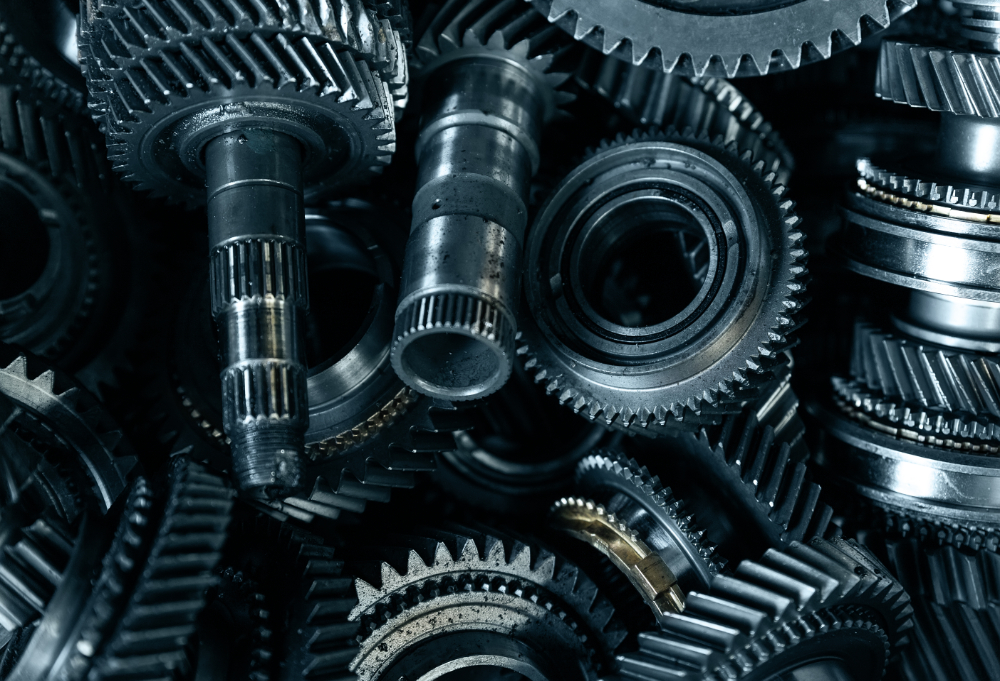
Your vehicle’s transmission is one of the most critical and expensive components to repair or replace. A failing transmission can leave you stranded and cost thousands of dollars in repairs. Learning to recognize the early warning signs of transmission problems is essential for every vehicle owner in La Grande, OR, and throughout Union County. By understanding these symptoms and seeking professional help from a qualified mechanic in La Grande, OR, you can prevent costly transmission failure and keep your vehicle running smoothly for years to come.

Transmission Warning Signs

The transmission in your vehicle is responsible for transferring power from the engine to the wheels in the proper gear ratio. When something goes wrong with this complex system, your car will typically send you warning signals. Transmission slipping symptoms are among the most common indicators that something isn’t right. If you notice your engine revving higher than normal without a corresponding increase in vehicle speed, or if you experience unexpected gear changes while driving, these are clear signs your transmission needs attention.

One of the first transmission slipping symptoms that drivers notice is a delay when accelerating from a complete stop. Your vehicle might hesitate or feel sluggish when you press the accelerator pedal. This is different from normal acceleration performance and suggests that your transmission isn’t engaging properly. If you’re experiencing car shifting problems or notice that your vehicle hesitates before shifting gears, it’s time to visit an auto repair shop in La Grande, OR, for a professional diagnosis.

Identifying Signs of Transmission Failure

Signs of transmission failure can range from subtle to dramatic, depending on the underlying problem. One of the most noticeable warning signals is a check engine light transmission issue appearing on your dashboard. Modern vehicles have sophisticated diagnostic systems that monitor transmission performance constantly. When the onboard computer detects a problem, it illuminates the check engine light to alert you to seek professional inspection.

Unusual noises coming from your vehicle can also indicate transmission problems. If you hear grinding, whining, or clunking sounds, especially when shifting gears, these are red flags that warrant immediate attention from a transmission service specialist in La Grande, OR. These noises often indicate that internal transmission components are wearing out or that there’s inadequate transmission fluid lubrication. Ignering these warning signs can quickly lead to catastrophic transmission failure.

Strange odors from beneath your vehicle are another indicator that something is wrong. A burning smell often means your transmission fluid is overheating due to excessive friction or low fluid levels. Transmission fluid should have a slightly sweet smell when it’s in good condition. If you detect a burnt odor, pull over safely and have your vehicle inspected by a qualified mechanic in La Grande, OR, as soon as possible.

Transmission Maintenance Tips to Prevent Problems

Preventing transmission failure is far more cost-effective than dealing with a complete transmission replacement. One of the most important transmission maintenance tips is to check your transmission fluid regularly. Unlike engine oil, transmission fluid doesn’t burn off, so any fluid loss indicates a leak that needs to be addressed. Low transmission fluid causes inadequate lubrication, leading to excessive heat and accelerated wear on internal components.

Have your transmission fluid inspected and changed according to your vehicle manufacturer’s recommendations. Modern automatic transmissions often have sealed systems, but many mechanics recommend periodic fluid changes to maintain optimal performance. Discuss transmission service options with your auto repair shop in La Grande, OR, to determine the best maintenance schedule for your specific vehicle. Regular transmission service can extend the life of your transmission significantly and help you avoid major repairs down the road.

Driving habits also play a crucial role in transmission longevity. Avoid towing loads beyond your vehicle’s capacity, as excessive strain accelerates transmission wear. Don’t rest your foot on the brake pedal while in drive, as this creates unnecessary transmission pressure. Allow your vehicle to warm up during cold weather before driving aggressively. These simple practices contribute to preventing transmission failure and maintaining your vehicle’s reliability.

Common Symptoms Requiring Professional Diagnosis

If you experience car shifting problems like rough or delayed shifts, grinding sounds, or slipping sensations, don’t delay in seeking professional help. A transmission service center in La Grande, OR, can run diagnostic tests to pinpoint the exact issue. Some problems might be as simple as low transmission fluid, while others could indicate internal damage requiring major repairs. Early diagnosis is crucial for preventing a minor issue from becoming a catastrophic failure.

Pay attention to how your transmission behaves in different driving conditions. Does it shift smoothly when accelerating on the highway? Does it have difficulty shifting into reverse or park? Does it slip out of gear unexpectedly? These observations are valuable information to share with your mechanic in La Grande, OR. Professional diagnostics can read trouble codes from your vehicle’s onboard computer and help technicians understand exactly what’s causing the problem. Many transmission issues are preventable when caught early, but ignoring warning signs almost always leads to complete transmission failure.

Taking Action in Eastern Oregon

If you live in Eastern Oregon, particularly in Union County, you understand the importance of reliable transportation. Rural areas often require vehicles to travel long distances between towns, making transmission problems especially problematic. A local auto repair shop in La Grande, OR, specializing in transmission service can provide the expertise and quick turnaround you need.

Don’t attempt to diagnose transmission problems yourself or delay seeking professional help. The complexity of modern transmissions requires specialized tools and expertise. A qualified mechanic in La Grande, OR, can provide accurate diagnosis, honest recommendations, and quality repairs. Whether you need transmission service, fluid changes, repairs, or complete transmission replacement, a reputable auto repair shop in La Grande, OR, can handle all your transmission needs efficiently and professionally.

Regular maintenance and prompt attention to warning signs are your best defense against transmission failure. By staying proactive about your vehicle’s health and addressing problems early, you can save thousands of dollars and avoid the inconvenience of a broken-down vehicle.

Conclusion

Your vehicle’s transmission is too important to ignore. Whether you notice transmission slipping symptoms, unusual noises, or a check engine light transmission issue, seek professional help immediately. Regular transmission maintenance tips and early detection of signs of transmission failure can prevent costly repairs and keep your vehicle reliable. Visit your trusted auto repair shop in La Grande, OR, today to keep your transmission and your vehicle in excellent condition.

Need a Mechanic in La Grande, OR?

Our team here at Integrity Automotive has provided quality auto repair services for our customers since 2003. We are a full service auto repair shop and specialize many types of vehicles, including European models such as BMW and Audi, as well as diesel trucks. Our services include engine repair, transmission services, and many more services. Moreover, we are ASE certified and are a proud member of NFIB, and we are a certified NAPA auto care center. Call or come in for immediate service!

The Importance of Regular Transmission Maintenance

The Importance of Regular Transmission Maintenance

Maintaining your vehicle’s transmission is an essential aspect of overall vehicle maintenance. The transmission plays a crucial role in transferring power from the engine to the wheels, allowing your vehicle to move smoothly and efficiently. Neglecting transmission maintenance can lead to costly repairs and decreased driving performance. In this blog post, we will discuss the importance of regular transmission maintenance and some key tips to keep your transmission in top condition.

1. Prevent Costly Repairs

Regular transmission maintenance can help prevent costly repairs down the line. Over time, the transmission fluid can break down, causing sludge to build up and impair the performance of your transmission. By regularly changing the transmission fluid and filter, you can avoid damage to the transmission and prevent the need for expensive repairs. It’s much more cost-effective to spend a little on maintenance than to pay hefty repair bills later.

2. Extend the Lifespan of Your Transmission

By taking care of your transmission, you can significantly extend its lifespan. Regular maintenance keeps the transmission running smoothly, reducing wear and tear on its components. This can help prevent major component failures that could render your vehicle inoperable. By investing in transmission maintenance, you can maximize the lifespan of your transmission and avoid the need for premature replacements.

3. Maintain Optimal Performance

A well-maintained transmission ensures that your vehicle performs at its best. If your transmission is not properly maintained, you may experience issues such as delayed shifts, slipping gears, or a complete transmission failure. These problems can lead to decreased acceleration, reduced fuel efficiency, and an overall decrease in your vehicle’s performance. Regular transmission maintenance, including fluid and filter changes, will keep your transmission working optimally, providing you with a smoother and more efficient driving experience.

4. Enhance Fuel Efficiency

An efficiently operating transmission contributes to better fuel efficiency. When your transmission is well-maintained, it can shift gears smoothly, ensuring the engine operates within its optimal range. In contrast, a poorly maintained transmission may cause the engine to strain, resulting in increased fuel consumption. By regularly maintaining your transmission, you can improve your gas mileage and save money on fuel costs.

5. Ensure Safety on the Road

Maintaining your transmission is not just about saving money and enhancing performance; it also plays a crucial role in ensuring your safety on the road. A failing transmission can lead to sudden breakdowns or malfunctions while driving, putting you and others at risk. Regular transmission maintenance helps identify and address any issues before they escalate, ensuring that your vehicle remains safe and reliable.

Tips for Regular Transmission Maintenance

1. Follow the Manufacturer’s Recommendations

Check your vehicle’s owner manual for the recommended transmission maintenance schedule. The manufacturer typically provides guidelines on when to change the transmission fluid and filter, as well as other related maintenance tasks. Adhering to these recommendations ensures that your transmission receives the attention it needs to stay in excellent condition.

2. Check Transmission Fluid Regularly

Keep an eye on your transmission fluid levels and inspect its condition regularly. If the fluid is low or has a burnt smell or a murky appearance, it may be time for a fluid change. Proper fluid levels and quality are essential for optimal transmission performance.

3. Schedule Regular Transmission Flushes

In addition to regular fluid changes, consider scheduling periodic transmission flushes. A flush helps remove any built-up sludge or contaminants within the transmission, ensuring that it operates at its best. Consult a professional mechanic to determine how often a transmission flush is recommended for your specific vehicle.

Conclusion

Regular transmission maintenance is key to keeping your vehicle running smoothly, preventing costly repairs, and enhancing driving performance. By following the manufacturer’s recommendations, checking fluid levels regularly, and scheduling periodic transmission flushes, you can ensure the longevity and reliability of your vehicle’s transmission. Make transmission maintenance a priority in your vehicle’s overall maintenance routine, and your vehicle will reward you with years of trouble-free driving.

Got Questions? Let Us Help!

Integrity Automotive has provided quality auto repair services for our customers since 2003. We are a full service auto repair shop and specialize many types of vehicles, including European models such as BMW and Audi, as well as diesel trucks. Our services include engine repair, transmission services, and many more services. We are ASE certified and are a proud member of NFIB, and we are a certified NAPA auto care center. Contact us or come in today for immediate service.

Common Transmission Problems and How to Identify Them

Common Transmission Problems and How to Identify Them

The transmission is an essential component of any vehicle that helps transfer power from the engine to the wheels. Like any other part, it can develop problems over time, leading to various issues and potentially costly repairs. Being able to identify common transmission problems early on can save you time, money, and prevent any further damage to your vehicle. In this blog post, we will discuss some of the most common transmission problems and how to identify them.

1. Delayed Engagement:

One common transmission problem is delayed engagement, where there is a delay in the gears shifting when you move the gear lever. This can cause a significant delay in acceleration and may result in the engine revving before the gears engage. To identify this problem, pay attention to any hesitation or delay when shifting gears. If you notice a delay, it’s essential to have your transmission inspected by a professional mechanic.

2. Fluid Leaks:

Transmission fluid is vital for smooth operation and cooling of the transmission. If you see any red-colored liquid pooling under your vehicle, it may be a sign of a fluid leak. Transmission fluid leaks can occur due to damaged seals, gaskets, or loose connections. To confirm if it is a transmission fluid leak, check the color and consistency of the fluid. If it is dark or has a burnt smell, it’s a sign that your transmission fluid needs to be changed.

3. Slipping Gears:

When the transmission slips gears, you may experience a sudden loss of power and a noticeable increase in engine RPM without an increase in vehicle speed. This can be a dangerous situation, as you may find it difficult to maintain control over your vehicle. If you notice your vehicle slipping between gears, it’s important to address the issue promptly. Slipping gears can indicate worn-out or damaged clutch components, low transmission fluid levels, or faulty solenoids.

4. Strange Noises:

Unusual noises coming from the transmission can be an early sign of a problem. If you hear any grinding, whining, buzzing, or clunking sounds when shifting gears, it may indicate an issue within the transmission. These noises can occur due to worn-out gears, damaged bearings, or loose bolts. Ignoring these noises can lead to further damage and costly repairs, so it’s best to have the transmission inspected by a professional mechanic as soon as possible.

5. Fluid Contamination:

Contaminated transmission fluid can lead to severe transmission problems if not addressed promptly. The fluid can become contaminated with metal shavings, dirt, or debris, which can cause excessive wear and tear on the transmission components. To identify fluid contamination, check the color and odor of the fluid. Dark or brownish-colored fluid with a burnt smell can indicate contamination. Regularly servicing your vehicle and changing the transmission fluid at recommended intervals can prevent fluid contamination and extend the life of your transmission.

Conclusion:

Recognizing common transmission problems and taking immediate action can prevent major issues and help you avoid expensive repairs. Keeping an eye out for signs of delayed engagement, fluid leaks, slipping gears, strange noises, and fluid contamination is vital for maintaining your vehicle’s transmission health. If you notice any of these problems, it’s important to consult a professional mechanic to diagnose and repair the issue. Regular maintenance, including fluid changes and inspections, can go a long way in ensuring the longevity and reliability of your vehicle’s transmission.

Got Questions? Let Us Help!

Integrity Automotive has provided quality auto repair services for our customers since 2003. We are a full service auto repair shop and specialize many types of vehicles, including European models such as BMW and Audi, as well as diesel trucks. Our services include engine repair, transmission services, and many more services. We are ASE certified and are a proud member of NFIB, and we are a certified NAPA auto care center. Contact us or come in today for immediate service.