
What Does It Mean When Your Car Pulls to One Side? Causes La Grande Drivers Should Know
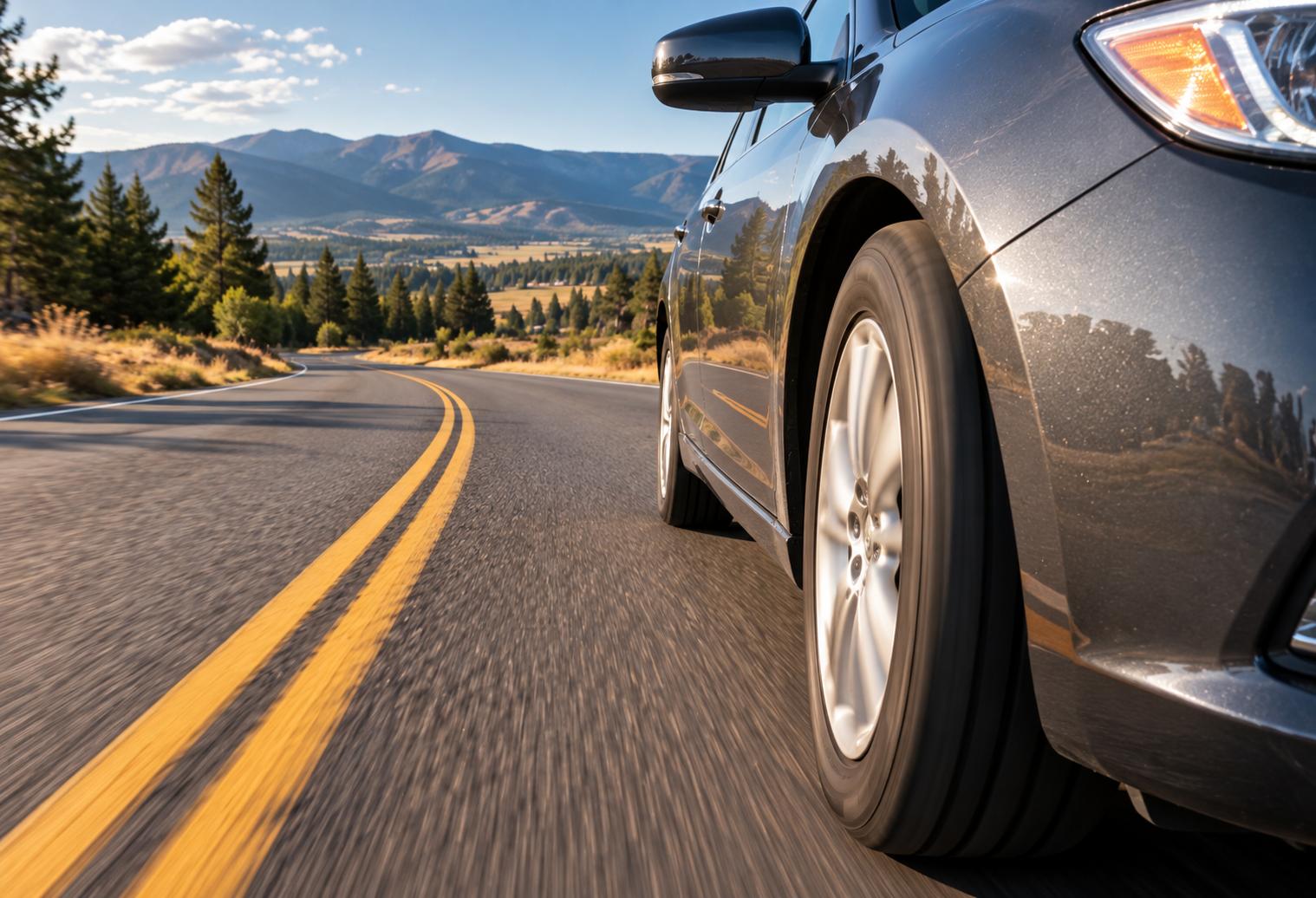
A car that drifts or pulls left or right can make an ordinary drive through La Grande feel like constant work at the steering wheel. The problem can become especially noticeable after winter driving, hitting a pothole, traveling rough roads, or switching seasonal tires.
Quick answer: When your car pulls to one side, common causes include incorrect tire pressure, uneven tire wear, wheel alignment problems, worn steering or suspension components, and brake issues. Sometimes the road surface itself creates a temporary pulling sensation. If the pull is persistent, suddenly becomes stronger, or happens while braking, the vehicle should be inspected rather than assuming it is simply following the road.
What local drivers should know
-
A vehicle that consistently pulls on a relatively flat road may have a tire, alignment, suspension, steering, or brake problem.
-
Winter conditions around the Grande Ronde Valley can be hard on vehicles, particularly when rough pavement and changing road conditions become part of everyday driving.
-
A sudden change after striking a pothole or road hazard deserves attention even if the vehicle still seems drivable.
-
Pulling only while braking can point toward a different problem than a vehicle that constantly drifts while cruising.
-
Uneven tire wear can both contribute to pulling and provide a clue that an alignment or suspension issue is developing.
Why Does a Car Pulling to One Side Matter in La Grande?
A car pulling to one side matters because it can reduce predictable steering, accelerate tire wear, and signal a problem with components that affect how the vehicle handles. Around La Grande, those concerns are especially worth noticing when drivers regularly encounter winter weather, changing pavement conditions, and regional highway travel.
Oregon Department of Transportation guidance warns that ice can make steering and stopping difficult and notes that bridges, shaded areas, and other surfaces can remain icy longer. ODOT also identifies harsh Eastern Oregon winters as a source of wear on highway infrastructure. That makes predictable vehicle handling particularly valuable when traveling around Union County.
Integrity Automotive helps area drivers evaluate vehicle problems when something no longer feels right behind the wheel. Once you notice a consistent pull, our goal is to identify the actual source rather than replacing parts based only on symptoms.
What Do Local Road and Winter Conditions Tell Us?
Eastern Oregon driving conditions make tire condition, steering response, and predictable handling especially important during winter travel. ODOT advises Oregon drivers to keep tires properly inflated and in good condition and to prepare vehicles for snow and ice before traveling.
For drivers traveling from the Grande Ronde Valley toward mountain routes or along Interstate 84, a handling problem that seems minor around town may become much more noticeable at highway speeds. Trips toward Pendleton, Baker City, or other regional destinations also mean more sustained driving than a short trip across town.
What Warning Signs Should La Grande Drivers Watch For?
Warning signs include constant steering correction, uneven tire wear, an off-center steering wheel, pulling during braking, and a noticeable change after hitting a road hazard. Drivers should pay attention to when the symptom occurs because those details can help narrow down its cause.
Watch for:
-
The vehicle repeatedly drifting left or right on relatively level pavement.
-
The steering wheel sitting off-center while traveling straight.
-
One or more tires developing noticeably uneven tread wear.
-
The pull becoming stronger as speed increases.
-
The vehicle moving toward one side specifically when you apply the brakes.
-
New vibration or unusual steering-wheel feedback.
-
Pulling that begins shortly after a pothole impact or other hard bump.
-
Steering that suddenly feels different from the vehicle’s normal behavior.
What Are the Most Common Causes of a Car Pulling to One Side?
The most common causes of pulling include tire problems, incorrect wheel alignment, worn steering or suspension parts, and brake problems. The correct diagnosis depends on whether the vehicle pulls constantly, only under braking, after an impact, or under particular road conditions.
1. Tire pressure differences
A significant pressure difference between tires can affect how the vehicle tracks. Tire pressure should be checked when the tires are cold and adjusted according to the vehicle manufacturer’s specifications.
2. Uneven or abnormal tire wear
A worn tire does not always behave like the tire on the opposite side. Drivers who have put significant miles on tires through Union County winters should periodically inspect tread condition rather than relying only on how the vehicle feels.
3. Wheel alignment problems
Wheel alignment determines how the wheels are positioned relative to the vehicle and road. A hard pothole strike or other impact can contribute to alignment concerns. An off-center steering wheel and abnormal tire wear are common reasons to have alignment-related conditions checked.
4. Steering or suspension wear
Worn or damaged components can affect wheel positioning and vehicle tracking. If an alignment cannot remain within specification, the underlying steering or suspension condition may need to be addressed first.
5. Brake problems
If the vehicle pulls primarily when braking, the braking system deserves attention. Uneven braking force can make the vehicle move toward one side and should not be treated as a routine alignment symptom.
6. Road crown and surface conditions
Not every slight drift means the vehicle is broken. Roads are often designed with some slope for drainage, and ruts or uneven surfaces can influence steering. A persistent pull across different roads, however, is more useful diagnostically than a drift that occurs in one particular location.
When Should You Call a Professional?
Professional inspection is appropriate when the pulling is persistent, appears suddenly, follows a hard impact, causes abnormal tire wear, or becomes noticeable during braking. Those symptoms can involve systems that directly influence steering, braking, tire contact, and overall vehicle control.
La Grande drivers can safely start by visually inspecting tires and checking tire pressures against the manufacturer’s specifications. If pressures are correct and the vehicle continues pulling, further diagnosis may require checking alignment measurements, tires, brakes, steering components, and suspension parts.
A severe or sudden handling change should receive prompt attention.
How Can La Grande Drivers Help Prevent Pulling Problems?
Regular tire checks, attention to unusual steering behavior, and inspections after significant road impacts can help drivers catch pulling problems earlier. Preventive attention is particularly useful before winter trips or longer drives outside the Grande Ronde Valley.
Check tire pressures regularly, inspect tread for unusual wear, and avoid ignoring a steering wheel that gradually moves away from its normal centered position. After hitting a substantial pothole, pay attention to whether the vehicle tracks differently or develops new vibration.
Before winter travel, ODOT recommends making sure tires are in good condition and properly inflated. Drivers traveling through Oregon snow zones should also check current road conditions and applicable traction requirements.
What Can You Expect After the Cause Is Corrected?
After the underlying cause is properly corrected, the vehicle should generally track more predictably and require less unnecessary steering correction. The exact result depends on tire condition and whether alignment, brake, steering, or suspension repairs were necessary.
If tires have already developed substantial uneven wear, correcting the mechanical cause does not restore lost tread. That is one reason early diagnosis can matter.
What Mistakes Should Drivers Avoid?
The biggest mistake is assuming every pull automatically means the vehicle only needs a wheel alignment. Several systems can create similar symptoms, so diagnosis should come before deciding on the repair.
Mistake: Scheduling an alignment without considering worn components.
Consequence: The underlying condition may remain.
Better approach: Inspect the relevant steering and suspension components when symptoms indicate a broader problem.
Mistake: Ignoring uneven tire wear.
Consequence: Tire life may continue to decline.
Better approach: Treat unusual wear as information about what the vehicle may be doing mechanically.
Mistake: Dismissing pulling during braking.
Consequence: A potential brake problem may go unaddressed.
Better approach: Have brake-related pulling inspected promptly.
What Is a Common Local Scenario?
A common local scenario is a driver noticing that the vehicle suddenly needs more steering correction after winter driving or a hard encounter with damaged pavement. The steering wheel may also appear slightly off-center, or one tire may begin showing a different wear pattern.
The important point is that these symptoms do not identify one specific failed part by themselves. An inspection can determine whether the issue originates with the tires, alignment, steering, suspension, brakes, or a combination of factors.
Which Auto Services Can Help Solve a Pulling Problem?
The right service depends on the diagnosis and may involve tire evaluation, wheel alignment, brake service, or steering and suspension repair. Checking the entire symptom rather than assuming one solution helps avoid overlooking a related mechanical issue.
At our shop, the useful starting point is explaining exactly when the vehicle pulls and whether anything happened shortly before the symptom began.
Should You Check the Car Yourself or Schedule an Inspection?
Drivers can check tire pressure and look for obvious tire damage themselves, but persistent pulling generally calls for professional diagnosis. Alignment angles, brake operation, and steering or suspension wear require more than simply looking at the vehicle in the driveway.
A DIY tire-pressure check is a sensible first step. If the pressures match specifications and the problem remains, an inspection provides more useful information than repeatedly correcting the steering and hoping the symptom disappears.
What Areas Do We Serve?
We help drivers in La Grande and surrounding Union County communities address vehicle handling concerns and other automotive service needs. Drivers from nearby areas such as Island City, Union, Cove, Imbler, and Summerville may encounter many of the same regional road and seasonal conditions.
What Can Happen If You Ignore a Vehicle That Pulls?
Ignoring persistent pulling can allow abnormal tire wear or an underlying steering, suspension, alignment, or brake problem to continue. It can also make driving more tiring because the driver is constantly correcting the vehicle’s direction.
That matters on longer stretches of I-84 and during Eastern Oregon winter conditions, when predictable handling is particularly useful. ODOT advises drivers to prepare vehicles for winter and emphasizes that snow and ice reduce traction and make steering and stopping more difficult.
FAQ
Can low tire pressure make my car pull to one side in La Grande?
Yes, a meaningful pressure difference between tires can contribute to a vehicle pulling toward one side. Check pressures when the tires are cold and use the vehicle manufacturer’s recommended specifications. If pressures are correct but the vehicle continues to pull, the tires, alignment, brakes, steering, and suspension may need inspection.
Can hitting a pothole cause my vehicle to start pulling?
Yes, a hard pothole impact can contribute to alignment changes or damage affecting tires, wheels, steering, or suspension components. If your vehicle begins pulling immediately after an impact around La Grande or elsewhere in Union County, watch for vibration, an off-center steering wheel, tire damage, and changes in handling.
Does pulling always mean I need a wheel alignment?
No, pulling does not automatically mean the vehicle needs only an alignment. Tire pressure, tire wear, brake problems, steering components, suspension components, road slope, and alignment can all influence vehicle tracking. Diagnosis helps determine which condition is actually responsible.
Why does my car pull only when I brake?
A vehicle that pulls primarily during braking may have a braking-system problem rather than a basic alignment issue. Because braking affects vehicle control, a new or significant pull when applying the brakes should be professionally inspected instead of being dismissed as normal road behavior.
Can winter driving around La Grande affect alignment or handling?
Winter driving can expose a vehicle to conditions that make existing handling problems easier to notice. ODOT specifically advises drivers to maintain properly inflated, good-condition tires for winter travel, while Eastern Oregon roads also experience harsh winter conditions that affect pavement and transportation infrastructure.
Why does my car seem to pull on some Union County roads but not others?
Road slope, ruts, surface condition, and traction can cause a vehicle to behave differently from one road to another. A slight drift on one surface is different from a strong, repeatable pull across several relatively level roads. Consistency is an important clue when deciding whether inspection is needed.
Should I get my vehicle checked before an I-84 trip?
Yes, persistent pulling is worth addressing before a longer highway trip, especially if the vehicle also has vibration, uneven tire wear, or unusual braking behavior. Interstate speeds can make handling symptoms more noticeable, and winter travel through Eastern Oregon adds changing traction and road conditions to the drive.
How quickly should I address a car that suddenly starts pulling?
A sudden or severe change in vehicle handling deserves prompt attention, particularly when it follows an impact or occurs during braking. If the vehicle feels difficult to control or unsafe to drive, avoid continuing normal travel and arrange appropriate professional assistance.
Get Your Vehicle Tracking Properly on La Grande Roads
A vehicle that consistently pulls left or right is giving you information worth paying attention to. Whether the cause involves tires, alignment, brakes, steering, or suspension, identifying it early can help restore more predictable handling and reduce unnecessary tire wear.