When it comes to car maintenance, most people tend to focus on engine problems, tire issues, or strange noises. However, one aspect that often gets overlooked is the electrical system of a vehicle. Your car’s electrical system is responsible for powering various components like the lights, radio, air conditioning, and crucially, the ignition system. Ignoring electrical issues in your car can lead to serious problems and even put your safety at risk. In this blog post, we will discuss some common signs of electrical issues in your car and explain why it is crucial to address them promptly.
1. Flickering lights
One of the most obvious signs of electrical issues in your car is flickering lights. Whether it’s the headlights, taillights, or interior lights, if they are flickering or dimming, it’s a clear indication of a problem. This issue can be caused by a faulty alternator, battery, or loose connections. Ignoring flickering lights can lead to a sudden loss of power, potentially leaving you stranded in the dark or causing accidents due to reduced visibility.
2. Difficulty starting the car
Another red flag that shouldn’t be ignored is having trouble starting your car. If you find yourself constantly turning the key multiple times before the engine eventually starts, it’s likely an electrical issue. This could be due to a weak battery, a faulty starter motor, or a faulty ignition switch. Ignoring this problem can leave you stranded in inconvenient locations or even lead to a complete breakdown of your car’s electrical system.
3. Electrical system failures
If you notice that certain electrical components, such as power windows, door locks, or the radio, stop working abruptly or intermittently, it indicates a potential electrical issue. This could be caused by damaged wiring or a malfunctioning control module. Ignoring these failures may be tempting, especially if they don’t affect the essential functions of your car. However, it’s vital to address electrical issues promptly because they can worsen over time and damage other critical components.
4. Strange smells
Electrical issues can sometimes manifest through unusual smells or odors. If you notice a burning smell coming from your car’s interior, it could indicate an electrical problem. This could be caused by a damaged wire, a failing component, or overheating in the electrical system. Ignoring these smells could lead to an electrical fire, risking your safety and potentially causing significant damage to your car.
5. Malfunctioning dashboard warning lights
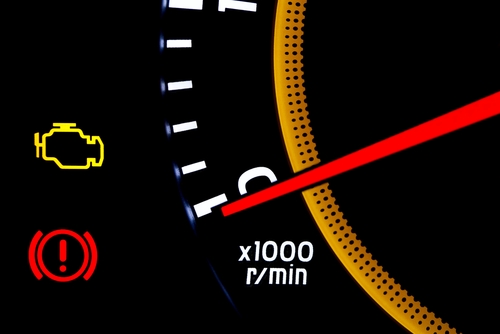
Modern cars are equipped with a sophisticated onboard computer system that monitors various systems and displays warning lights when there is an issue. If you see multiple warning lights appearing on your dashboard simultaneously or intermittently, it’s a sign of an electrical problem. Ignoring these warning lights can lead to more extensive damage to your car’s electrical system or other vital components, potentially resulting in expensive repairs.
6. Battery drainage
Experiencing frequent or sudden battery drain is another telltale sign of electrical issues. If you find yourself regularly needing to jump-start your car or notice that the battery dies unexpectedly, it’s time to investigate. Common causes of battery drainage include a faulty alternator, a parasitic draw, or short-circuited wiring. Ignoring a drained battery can leave you stranded and cause inconvenience, especially in remote areas or during extreme weather conditions.
Summary
It’s crucial not to ignore these signs of electrical issues in your car. Neglecting them can lead to a domino effect, causing further damage and ultimately resulting in expensive repairs. Additionally, unresolved electrical problems can compromise your safety on the road, increasing the risk of accidents or sudden breakdowns. Regular maintenance and inspections are essential in identifying and addressing electrical issues before they escalate. Consulting a professional mechanic who specializes in electrical systems can help diagnose the problem accurately and provide the necessary repairs or replacements.
Remember, your car’s electrical system is a complex network of components that directly impact its performance and safety. Don’t underestimate the importance of maintaining and resolving electrical issues promptly. By doing so, you’ll ensure a reliable and safe driving experience for yourself and your passengers.
Need a Mechanic in La Grande, OR?
If you’re looking for professional assistance with maintaining your Subaru or have any questions about the tips and tricks mentioned, don’t hesitate to reach out to us at Integrity Automotive. Our experienced team is here to provide you with expert service and guidance to ensure your Subaru remains in top-notch condition. We specialize in Subaru maintenance and can help you keep your vehicle running smoothly for years to come. Contact us today to schedule an appointment and experience the difference of choosing Integrity Automotive for all your Subaru’s maintenance needs. Your Subaru deserves the best, and that’s precisely what we offer!
Having the check engine light illuminate on your dashboard can be a cause for concern. However, when it begins flashing, it is a sign that there may be a serious issue with your vehicle that needs immediate attention. Ignoring a flashing check engine light could lead to severe damage to your car and potentially costly repairs. Here are some steps to take when your check engine light starts flashing:
1. Do not ignore it; take it seriously
A flashing check engine light is not something to be brushed off or ignored. It indicates that there is a severe issue with your vehicle’s engine that requires immediate attention. Ignoring it could lead to more damage and potentially put you and your passengers at risk. Take it seriously and address it promptly.
2. Reduce your speed and avoid heavy acceleration
When your check engine light flashes, it is best to reduce your speed and avoid heavy acceleration. This minimizes the stress on your engine, reduces the risk of causing further damage, and increases your chances of reaching a safe location or a nearby mechanic for assistance. Slowing down and driving with caution is crucial.
3. Check for any obvious problems
While it is not recommended for an untrained individual to attempt to fix the issue themselves, you can still check for any obvious problems under the hood. Look for loose or damaged wires, disconnected hoses, or any signs of leaks. If you notice something unusual and believe you can address it safely, go ahead. Otherwise, leave it to a professional.
4. Stop the car and turn off the engine if necessary
If your vehicle starts exhibiting severe symptoms, such as loud noises, excessive smoke, or a loss of power, it might be safer to stop the car completely and turn off the engine. These symptoms may indicate a significant issue that requires immediate attention and may be beyond your ability to fix temporarily. Park your car in a safe location and seek assistance.
5. Get your vehicle diagnosed by a professional
Once you have reached a safe location, it is essential to have your vehicle diagnosed by a professional mechanic. A flashing check engine light can be caused by various issues, ranging from minor to severe. A mechanic will use specialized diagnostic equipment to identify the specific problem and provide you with an accurate assessment of the repair required.
6. Follow the advice of the mechanic
After the mechanic has diagnosed the issue, it is crucial to follow their advice regarding the necessary repairs. The mechanic will inform you of the severity of the problem, the estimated cost of repairs, and whether it is safe to continue driving the vehicle. Trust their expertise and make an informed decision based on their recommendations.
7. Seek a second opinion if necessary
If the cost or severity of the repairs seems excessive or if you are uncertain about the mechanic’s assessment, do not hesitate to seek a second opinion. Another professional’s perspective may provide you with additional insight and help you make a more informed decision about how to proceed with the repairs.
8. Regular maintenance and checks to prevent future issues
To minimize the occurrence of a flashing check engine light in the future, it is crucial to follow regular maintenance schedules for your vehicle. This includes routine oil changes, filter replacements, and regular inspections. Regular maintenance can help you identify and address potential issues before they escalate into more serious problems.
Summary
A flashing check engine light should never be taken lightly. It indicates a severe issue with your vehicle’s engine that requires immediate attention. By following the steps outlined above, you can ensure your safety and prevent further damage to your car. Remember, always consult a professional mechanic for an accurate diagnosis and advice on necessary repairs.
Need a Mechanic in La Grande, OR?
If you’re looking for professional assistance with maintaining your Subaru or have any questions about the tips and tricks mentioned, don’t hesitate to reach out to us at Integrity Automotive. Our experienced team is here to provide you with expert service and guidance to ensure your Subaru remains in top-notch condition. We specialize in Subaru maintenance and can help you keep your vehicle running smoothly for years to come. Contact us today to schedule an appointment and experience the difference of choosing Integrity Automotive for all your Subaru’s maintenance needs. Your Subaru deserves the best, and that’s precisely what we offer!
La Grande, Oregon, is a beautiful place to live and drive, surrounded by scenic routes and rugged terrain. However, the combination of its unique weather patterns and local driving conditions can pose challenges to your vehicle’s engine. Understanding the common causes of engine breakdowns in La Grande and how to prevent them is crucial for ensuring the longevity of your car and the safety of your travels.
Weather-Related Engine Issues
Extreme Temperature Fluctuations
La Grande experiences a wide range of temperatures, from freezing winters to hot summers. These fluctuations can put a strain on your vehicle’s engine components.
Cold Weather Problems: In winter, sub-zero temperatures can cause engine oil to thicken, making it harder for the engine to function efficiently. This can lead to starting problems and increased wear and tear.
Hot Weather Problems: During summer, high temperatures can lead to overheating, especially if the cooling system is not in good condition.
Prevention Tips:
Use weather-appropriate engine oil. In colder months, opt for oils with lower viscosity ratings.
Regularly check your cooling system, including the radiator, coolant levels, and hoses, to prevent overheating.
Moisture and Corrosion
Frequent rain and occasional snow in La Grande can lead to moisture-related issues such as corrosion and rust in your engine.
Prevention Tips:
Keep your car parked in a covered area when possible.
Use anti-corrosion treatments for your engine and other metallic components.
Ensure proper sealing of the engine compartment to keep moisture out.
Poor Maintenance Practices
Neglecting Oil Changes
Skipping or delaying oil changes is one of the most common causes of engine breakdowns. Engine oil lubricates and cools the moving parts. Over time, oil becomes dirty and loses its effectiveness.
Prevention Tips:
Follow the manufacturer’s recommended oil change intervals.
Use high-quality oil that meets your vehicle’s specifications.
Ignoring the Check Engine Light
Many drivers make the mistake of ignoring the check engine light, assuming it’s a minor issue. However, this light often signals potential problems that can escalate if left unaddressed.
Prevention Tips:
Take your car to a mechanic as soon as the check engine light comes on.
Regularly schedule diagnostic checks to catch problems early.
Common Mechanical Failures
Timing Belt Failures
The timing belt synchronizes the engine’s camshaft and crankshaft. A broken timing belt can cause significant engine damage, potentially requiring a complete overhaul.
Prevention Tips:
Replace the timing belt at the recommended intervals (typically every 60,000 to 100,000 miles).
Have your mechanic inspect the timing belt for wear during routine maintenance.
Overheating Engines
Overheating is a common cause of engine breakdowns, especially during La Grande’s warmer months. It can result from a faulty thermostat, low coolant levels, or a damaged radiator.
Prevention Tips:
Regularly check and refill coolant.
Inspect the radiator and thermostat for signs of wear or damage.
Flush the cooling system periodically to remove debris and contaminants.
Fuel System Issues
Problems such as clogged fuel injectors, dirty fuel filters, or failing fuel pumps can lead to engine performance issues or breakdowns.
Prevention Tips:
Use high-quality fuel to prevent deposits.
Replace the fuel filter as per the manufacturer’s recommendations.
Add a fuel system cleaner periodically to maintain efficiency.
Environmental and Driving Conditions
Dust and Debris
The rural and off-road driving common around La Grande can lead to dust and debris entering the engine. This can clog air filters and damage engine components.
Prevention Tips:
Replace air filters regularly, especially if you frequently drive on dirt roads.
Keep the engine bay clean and free of debris.
Steep Inclines and Heavy Loads
Driving on steep inclines or carrying heavy loads can put extra stress on the engine, leading to overheating or accelerated wear.
Prevention Tips:
Avoid overloading your vehicle.
Shift to lower gears when climbing steep hills to reduce strain on the engine.
Electrical System Failures
Battery Problems
Extreme temperatures and poor maintenance can lead to battery issues, affecting the engine’s ability to start.
Prevention Tips:
Check the battery’s charge and connections regularly.
Replace the battery every 3-5 years or as needed.
Faulty Spark Plugs
Worn-out spark plugs can cause misfires, reduced fuel efficiency, and difficulty starting the engine.
Prevention Tips:
Replace spark plugs according to the manufacturer’s recommendations.
Use high-quality spark plugs suited for your vehicle.
Emergency Preparedness
Despite your best efforts, engine breakdowns can still happen. Being prepared for emergencies can make a significant difference.
Carry Essential Tools and Supplies
Having the right tools and supplies can help you handle minor issues and avoid being stranded.
Jumper cables
Portable battery charger
Basic toolkit
Emergency coolant
Engine oil
Know Local Mechanics
Familiarize yourself with reliable mechanics and repair shops in La Grande. Having a trusted professional to call can save time and stress.
Conclusion
Engine breakdowns can be frustrating and costly, but with proper care and attention, they are often preventable. By understanding the specific challenges posed by La Grande’s weather and driving conditions, you can take proactive measures to keep your vehicle in excellent shape. Regular auto maintenance, timely repairs, and smart driving habits are the keys to a reliable engine and a stress-free driving experience.
Need a Mechanic in La Grande, OR?
Our team here at Integrity Automotive has provided quality auto repair services for our customers since 2003. We are a full service auto repair shop and specialize many types of vehicles, including European models such as BMW and Audi, as well as diesel trucks. Our services include engine repair, transmission services, and many more services. Moreover, we are ASE certified and are a proud member of NFIB, and we are a certified NAPA auto care center. Call or come in for immediate service!
The check engine light is one of the most dreaded warning lights that can appear on our car’s dashboard. It is a signal that something is wrong with our vehicle, but it can be intimidating and confusing to understand its causes and find the appropriate solutions. In this blog, we will delve into the common causes behind the check engine light and provide you with some solutions to help you navigate this frustrating situation.
Common Causes:
1. Oxygen Sensor Malfunction:
One of the most common causes of a check engine light is a malfunctioning oxygen sensor. The oxygen sensor measures the amount of oxygen in the exhaust and provides feedback to the engine control module (ECM) to adjust the fuel-to-oxygen ratio. When the oxygen sensor fails, it can lead to poor fuel economy and increased emissions. Replacing the sensor is usually the solution, which can be done by a mechanic.
2. Loose or Damaged Gas Cap:
Believe it or not, sometimes a loose or damaged gas cap can trigger the check engine light. If the cap is not properly sealed, it can create a vacuum leak in the fuel system, causing the light to come on. Simply tightening or replacing the gas cap can often resolve the issue.
3. Catalytic Converter Problems:
A failing catalytic converter can also trigger the check engine light. The catalytic converter reduces harmful emissions from the exhaust gases. When it fails, it can lead to a decrease in engine performance, higher emissions, and increased fuel consumption. This is not something that can be fixed at home and requires the attention of a professional mechanic for replacement.
4. Mass Airflow Sensor Issues:
The mass airflow sensor measures the amount of air entering the engine and adjusts the fuel injection accordingly. If this sensor becomes dirty or fails, it can cause the engine to run rich or lean, leading to a variety of issues including reduced power and increased fuel consumption. Cleaning or replacing the sensor is usually necessary to fix the problem.
Solutions:
1. Check Gas Cap:
If the check engine light comes on, try checking the gas cap first. Ensure that it is properly tightened. If it is damaged, replace it with a new one. Remember that even a small issue like a loose gas cap can trigger the light.
2. Scan for Error Codes:
To get a better understanding of the specific problem causing the check engine light, it is advisable to take your car to a mechanic or an auto parts store that offers code scanning services. They will use a diagnostic tool to read the error codes stored in your vehicle’s onboard computer, which will help pinpoint the exact issue.
3. Perform Regular Maintenance:
Regular maintenance plays a crucial role in preventing check engine light issues. Ensure you keep up with oil changes, air filter replacements, and spark plug inspections to prevent potential issues from occurring. These routine maintenance tasks can help identify and fix problems before they escalate.
4. Consult with a Professional:
If the error codes reveal a more complex issue, it is best to consult with a professional mechanic. They have the knowledge and expertise to diagnose the problem accurately and recommend the necessary repairs. Trying to fix more complex issues on your own can lead to further damage or even injury.
Summary:
Understanding the causes and solutions behind your car’s check engine light can help alleviate some of the anxiety associated with this warning signal. By being aware of the common causes, such as oxygen sensor malfunction, loose gas caps, catalytic converter problems, and mass airflow sensor issues, you can take appropriate measures to resolve the problem. Remember to seek professional help when needed and perform regular maintenance to prevent further issues from arising. Your car will thank you, and so will your wallet.
Need a Mechanic in La Grande, OR?
If you’re looking for professional assistance with maintaining your Subaru or have any questions about the tips and tricks mentioned, don’t hesitate to reach out to us at Integrity Automotive. Our experienced team is here to provide you with expert service and guidance to ensure your Subaru remains in top-notch condition. We specialize in Subaru maintenance and can help you keep your vehicle running smoothly for years to come. Contact us today to schedule an appointment and experience the difference of choosing Integrity Automotive for all your Subaru’s maintenance needs. Your Subaru deserves the best, and that’s precisely what we offer!
When it comes to taking care of our vehicles, finding a reliable and trustworthy auto repair shop is crucial. Whether it’s for routine maintenance or major repairs, the professionals we entrust with our vehicles should have the knowledge, expertise, and integrity to provide high-quality service. With so many options available, it can be overwhelming to choose the right auto repair shop. Here are some key factors to consider when making your decision.
Reputation and Recommendations
One of the best ways to narrow down your choices and find a reliable auto repair shop is by considering their reputation and seeking recommendations from friends, family, and colleagues. Word-of-mouth is a powerful tool, and the experiences of people you trust can provide valuable insight into the quality of service a shop provides. Browse through online review platforms and check for positive feedback and a high overall rating. Look for shops with a solid reputation for honesty, reliability, and customer satisfaction.
Certifications and Training
Auto repair shops that invest in their technicians by providing regular training and certifications demonstrate a commitment to excellence. Mechanics who are certified by reputable organizations, such as the National Institute for Automotive Service Excellence (ASE), indicate that they have met industry standards and stay updated with the latest advancements in automotive technology. It’s a good idea to inquire about the qualifications and certifications of the mechanics at the shop you are considering.
Shop Facilities and Equipment
The physical condition of the auto repair shop and the quality of their equipment play a significant role in the quality of service they can provide. A clean and well-organized facility with modern tools and diagnostic equipment is a sign that the shop takes pride in their work and invests in the necessary resources to offer efficient and accurate repairs. Outdated equipment or a disorganized workspace may indicate a lack of attention to detail, which can lead to subpar workmanship.
Range of Services
When selecting an auto repair shop, it’s essential to ensure that they offer the services you may require both now and in the future. While routine maintenance tasks such as oil changes, filter replacements, and tire rotations are relatively common and offered by almost all shops, more complex repairs can vary in availability. If you own a specific make and model of vehicle, it’s worth investigating if the shop has experience working on those types of cars. Additionally, look for shops that provide a wide range of auto services, including engine diagnostics, brake repairs, transmission work, and electrical system troubleshooting.
Warranty and Guarantees
A reputable auto repair shop should stand by their work and offer warranties or guarantees on the services they provide. Inquire about the length and coverage of any warranties offered, as this can provide you with peace of mind knowing that you will be protected in the event of any issues arising after a repair or maintenance service. Ensure that you fully understand the terms and conditions of any warranty before agreeing to work with a particular shop.
Estimates and Pricing
Price should not be the sole determining factor when choosing an auto repair shop. However, it’s essential to find a shop that provides transparent and fair pricing. Request estimates from multiple shops for the same service to compare prices and evaluate the value you will be receiving. Be wary of significantly lower prices, as this may indicate the use of low-quality parts or inexperienced mechanics. Remember that quality repairs are an investment in your vehicle’s longevity and performance.
Convenience and Customer Service
Lastly, consider the convenience and customer service provided by the auto repair shop. Look for a shop that offers convenient appointment times and has a comfortable waiting area if you plan to wait during service. Additionally, assess the responsiveness and friendliness of the staff when you contact them for inquiries. A shop that values their customers and strives to provide excellent service will make a noticeable difference in your overall experience.
Summary
Selecting the right auto repair shop involves careful consideration of several key factors. A good reputation, certifications and training, well-maintained facilities and equipment, a range of services, warranties or guarantees, transparent pricing, and excellent customer service are all crucial aspects to evaluate. By taking the time to research and choose wisely, you can ensure that your vehicle is in capable hands and receives the necessary care it deserves.
Need a Mechanic in La Grande, OR?
If you’re looking for professional assistance with maintaining your Subaru or have any questions about the tips and tricks mentioned, don’t hesitate to reach out to us at Integrity Automotive. Our experienced team is here to provide you with expert service and guidance to ensure your Subaru remains in top-notch condition. We specialize in Subaru maintenance and can help you keep your vehicle running smoothly for years to come. Contact us today to schedule an appointment and experience the difference of choosing Integrity Automotive for all your Subaru’s maintenance needs. Your Subaru deserves the best, and that’s precisely what we offer!