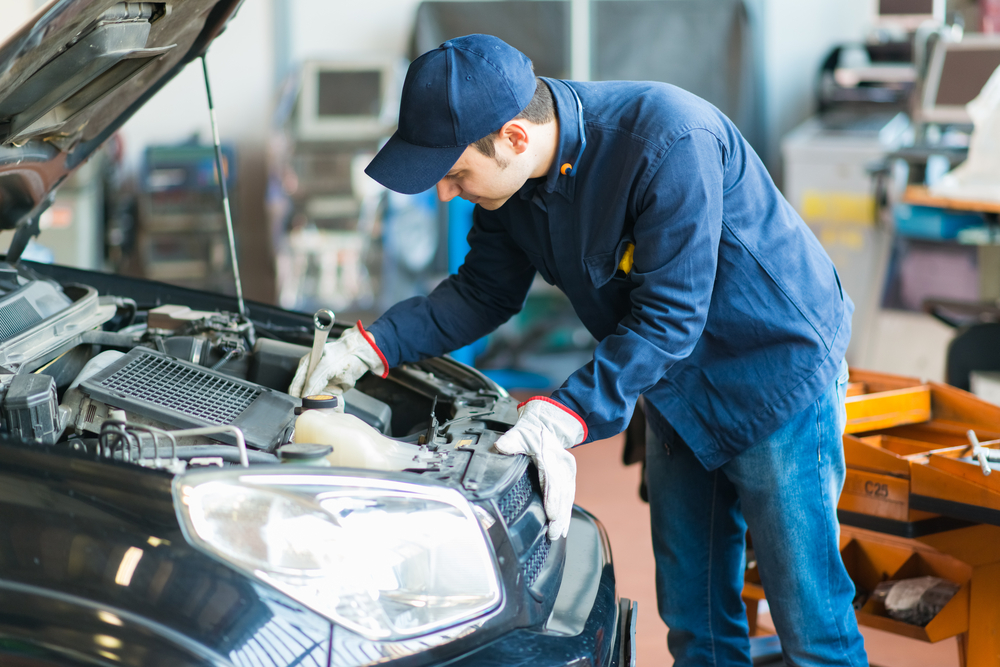
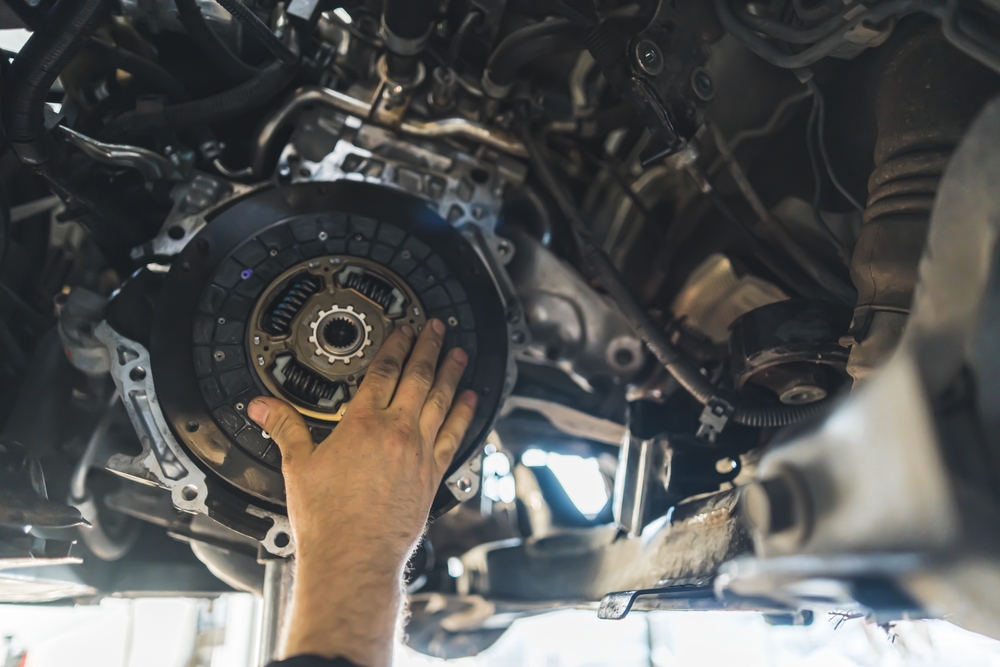
In La Grande, a small town nestled within Union County, Oregon, drivers face a critical choice when it comes to vehicle care: choosing between a local auto shop and a big national chain. While large franchise shops offer flashy promotions and brand recognition, La Grande drivers increasingly place their confidence in independent auto repair shops. The reasons for this preference are deeply rooted in community values, personal relationships, and trust built over years. Understanding this loyalty reveals the unique advantages of turning to a trusted mechanic in La Grande, OR.
Personalized Service in La Grande’s Tight-Knit Community
For residents of La Grande, the bond with local businesses transcends simple commerce—it’s about community. In small towns, your mechanic might also be your neighbor, your child’s baseball coach, or the friendly face you see at the local grocery store. This interconnectedness plays a vital role in why drivers prefer a local auto shop vs chain. Unlike impersonal national chains, independent auto repair shops in Union County often foster long-term relationships with their customers. Clients are greeted by name, their vehicle history is remembered, and concerns are treated with genuine care.
Local shops in La Grande are more likely to go the extra mile to ensure satisfaction, knowing that word of mouth spreads quickly in small communities. Where chains may focus on volume and efficiency, independent shops prioritize customer retention through trust and transparency. Many La Grande drivers describe their local mechanics as partners in keeping their vehicles reliable, rather than just service providers. This personal touch builds a foundation of confidence that large franchises rarely achieve.
Experienced Technicians and Honest Recommendations
Another reason La Grande drivers place their trust in local auto repair services is the depth of experience and integrity found in independent shops. In contrast to the high turnover rates often seen at chain garages, local auto shops typically employ long-tenured, highly skilled technicians. Many mechanics in La Grande’s independent shops are not just employees—they’re owners. This sense of ownership translates into a direct stake in the shop’s reputation and the quality of each repair.
La Grande drivers know that a trusted mechanic in La Grande, OR will provide honest assessments rather than push unnecessary services or parts. Chains, pressured by corporate upsell quotas, may recommend repairs that aren’t immediately needed. Local mechanics, on the other hand, rely on transparency to maintain their community standing. This results in advice based on genuine need rather than corporate policy. Whether it’s a routine oil change or a complex transmission repair, independent auto repair shops in Union County are recognized for prioritizing long-term reliability over short-term profits.
Faster Turnaround and Greater Flexibility
Convenience and efficiency are significant factors in choosing an auto repair service, and here too, La Grande’s local auto shops have the edge. Unlike chains that often book weeks in advance or shuffle cars through an assembly-line model, local shops in La Grande offer flexible scheduling and faster turnaround times. With fewer corporate layers and local decision-making, independent shops can accommodate urgent repairs and personalized service requests more readily.
For La Grande residents, knowing that a familiar mechanic can fit their vehicle in promptly for repairs provides peace of mind, especially when transportation is critical for work, family, or rural life. Independent shops often operate with a customer-first mindset, adjusting their workflows to prioritize clients who genuinely need quick service. This adaptability makes local shops far more appealing than national chains bound by rigid corporate procedures.
Supporting the Local Economy and Building Trust
Choosing a local auto shop vs chain doesn’t just benefit the individual driver—it benefits the entire La Grande community. Money spent at independent auto repair shops stays within Union County, supporting local families, sponsoring school events, and strengthening the small-town economy. Each repair bill paid to a local mechanic contributes to La Grande’s economic resilience and social fabric.
This economic reciprocity fosters trust. Drivers feel more comfortable investing in services that directly support their neighbors. Local shops, in turn, value their role in sustaining the community, often demonstrating this commitment through charitable work, local sponsorships, and community events. In La Grande, supporting independent auto repair isn’t just a financial decision—it’s an act of community stewardship.
The Long-Term Value of Local Expertise
While national chains market themselves on affordability, La Grande drivers recognize the long-term value offered by local auto repair experts. Vehicles are significant investments, and maintaining them requires expertise that can’t be commoditized. Independent shops in Union County build their reputations on years of hands-on experience, offering services tailored to the specific needs of rural Oregon drivers. From understanding the impact of mountain roads on brakes to recommending the right tires for local conditions, these mechanics provide regionally informed advice that chain shops often overlook.
Moreover, working consistently with the same local shop builds a detailed service history that can lead to proactive maintenance and cost savings over time. Trusted mechanics learn each vehicle’s quirks and potential trouble spots, enabling them to spot small issues before they become major repairs. This long-term care approach contrasts with chains where drivers may see a different technician each visit, leading to fragmented knowledge of a vehicle’s maintenance history.
In essence, La Grande drivers view independent auto repair as an investment not just in their vehicle, but in trusted relationships. By choosing a local auto shop over a chain, they ensure that their vehicles are serviced by professionals who value their loyalty, understand local driving conditions, and are genuinely committed to keeping their customers safe on the road.
Conclusion
La Grande’s preference for local auto shops reflects more than just service quality—it’s a testament to the power of community, trust, and shared history. Whether it’s the personalized attention, honest guidance, flexible service, or community investment, drivers in La Grande, OR know that their best automotive ally is right around the corner at their independent auto repair shop.
Need a Mechanic in La Grande, OR?
Our team here at Integrity Automotive has provided quality auto repair services for our customers since 2003. We are a full service auto repair shop and specialize many types of vehicles, including European models such as BMW and Audi, as well as diesel trucks. Our services include engine repair, transmission services, and many more services. Moreover, we are ASE certified and are a proud member of NFIB, and we are a certified NAPA auto care center. Call or come in for immediate service!
At Integrity Automotive, located proudly in La Grande, OR, we believe your vehicle deserves the highest quality of care — just like you do. From the moment you drive into our shop, our goal is to ensure a smooth, transparent, and trustworthy experience that will keep your vehicle safe and performing at its best. We know that choosing a trusted mechanic in La Grande can feel overwhelming, but when you step through our doors, you’ll discover why so many drivers rely on our expertise and commitment.
Our team is driven by integrity, honesty, and a dedication to providing top-tier auto repair in La Grande, OR. Here’s what you can expect when you bring your car to Integrity Automotive, and why you can feel confident putting your vehicle in our hands.
A Warm Welcome and a Thorough Consultation
From the very start, we aim to set your mind at ease. When you arrive at Integrity Automotive, one of our knowledgeable and friendly team members will greet you and ask about any concerns you’ve noticed with your vehicle. Whether it’s a strange sound, a warning light, or simply routine maintenance, our staff takes time to truly listen. We understand that each car, and each customer, is unique.
Once we’ve heard your concerns, we’ll complete a comprehensive intake to understand your car’s history and what symptoms you are experiencing. This process helps us ensure that nothing is overlooked. If needed, we will ask about past repairs, mileage, and driving conditions, all of which can provide essential context for accurate diagnosis and repair.
Our consultation is built around education. We believe that the more you know about your vehicle, the more empowered you’ll feel in making decisions about its care. Our technicians will clearly explain any diagnostic procedures we recommend before proceeding, so there are no surprises.
Professional Diagnostics and Transparent Estimates
At Integrity Automotive, we pair advanced technology with years of experience to pinpoint what’s going on with your vehicle. Our certified technicians use modern diagnostic tools to quickly identify issues, saving you time and money. From complex engine codes to subtle brake wear, our diagnostic capabilities are designed to catch problems early before they turn into expensive breakdowns.
After completing a thorough inspection, we will walk you through our findings in plain language. We understand that automotive terms can sometimes be intimidating, so we prioritize honest, easy-to-understand explanations. Alongside our findings, we’ll provide you with a clear, transparent estimate for any repairs or maintenance your vehicle may need.
You will never feel pressured into approving a repair you do not understand. Our commitment as a trusted mechanic in La Grande is to help you make informed choices for your vehicle. If you have questions, we’re happy to answer them until you feel confident in your decision. Integrity is not just in our name — it’s in every interaction we have with our customers.
Skilled Repairs and Quality Service
When you approve a repair or service, you can trust that our team will handle it with meticulous care and technical precision. Our technicians are ASE-certified professionals who stay up to date with the latest repair standards and technologies. Whether your vehicle needs a simple oil change or a complex transmission rebuild, Integrity Automotive delivers top-quality workmanship.
We use premium parts that meet or exceed OEM standards to protect your vehicle’s performance and warranty. Every bolt is tightened, every system is tested, and every component is checked for safety before we return the car to you. That’s how we uphold our reputation for exceptional auto repair in La Grande, OR.
We also work diligently to respect your time. Our team will keep you informed of your vehicle’s progress, letting you know if there are any unexpected delays. We believe good communication is a cornerstone of excellent customer service, and we never leave you wondering about your car’s status.
A Commitment to Long-Term Vehicle Health
At Integrity Automotive, our focus goes beyond simply fixing your current issue. We take pride in helping our customers achieve reliable, long-term vehicle health. After your repair or service is complete, we will review any maintenance recommendations to help you plan for the future. Preventative care is essential for keeping repair costs down and ensuring your car runs safely for years to come.
We’ll advise you on things like fluid flushes, tire rotations, brake inspections, and other essential services to protect your investment. Our philosophy is that proactive car service in La Grande can dramatically extend the life of your vehicle and keep you and your loved ones safe on the road.
If you wish, we can even set up a maintenance schedule to remind you when services are due, so you never have to worry about missing an important milestone. It’s just another way we stand out as a trusted mechanic in La Grande who genuinely cares about your driving experience.
A Relationship Built on Trust and Community
Integrity Automotive isn’t just another auto shop — we’re part of the La Grande community. We live here, work here, and serve our neighbors every day. That means we treat every customer like a neighbor, with respect and honesty at every step. Our business is built on relationships, and nothing makes us prouder than seeing families trust us year after year to care for their vehicles.
We believe that integrity, transparency, and professionalism create a foundation for loyalty. When you visit our shop, you can expect an experience rooted in these values. We want you to feel secure knowing you have a true automotive partner by your side.
As you leave our shop after a repair or maintenance service, our relationship does not end there. We welcome you to reach out with any follow-up questions or concerns. Your peace of mind matters to us, and we’re always happy to talk about your car’s condition or any future issues that might arise.
Conclusion
When you bring your car to Integrity Automotive, you can expect far more than a simple fix. You’ll find a welcoming team ready to listen to your concerns, skilled professionals equipped with cutting-edge tools, transparent pricing with no hidden surprises, and a commitment to keeping your vehicle safe and reliable for the long haul.
Our mission is to deliver the best auto repair in La Grande, OR, while earning your trust through every interaction. As your local, trusted mechanic in La Grande, we are here to support you with honest, high-quality car service in La Grande that stands the test of time.
From your first visit to your tenth, you can rely on Integrity Automotive for an experience built on professionalism, community, and — most of all — integrity. Whether you need a routine oil change or a complicated repair, we are ready to be your automotive partner and keep you confidently on the road.
Need a Mechanic in La Grande, OR?
Our team here at Integrity Automotive has provided quality auto repair services for our customers since 2003. We are a full service auto repair shop and specialize many types of vehicles, including European models such as BMW and Audi, as well as diesel trucks. Our services include engine repair, transmission services, and many more services. Moreover, we are ASE certified and are a proud member of NFIB, and we are a certified NAPA auto care center. Call or come in for immediate service!
At Integrity Automotive here in La Grande, OR, our mission has always been to provide the best and most reliable auto repair services for our customers. Part of delivering that mission involves making critical decisions about what parts we install in your vehicle. One of the most common questions we receive is whether we use original equipment manufacturer parts or aftermarket parts. The debate of OEM vs. aftermarket parts can seem overwhelming, but our philosophy is built around transparency, safety, and long-term value for our customers. In this blog, we want to share with you how we approach this decision, why it matters for your vehicle, and what you can expect when you bring your car to Integrity Automotive in La Grande.
Understanding OEM and Aftermarket Parts
Before diving into why our choice of parts matters, it’s important to understand what distinguishes OEM vs. aftermarket parts. OEM, or original equipment manufacturer parts, are made by the same company that manufactured your vehicle, or by suppliers who produced parts to the exact specifications of your automaker. These parts match the original fit, finish, and performance standards of your car because they were designed specifically for it.
On the other side, aftermarket parts are produced by third-party companies not affiliated with your vehicle’s manufacturer. These companies reverse-engineer the parts and make versions that fit and function similarly, but not always identically, to the originals. Aftermarket parts can vary dramatically in terms of quality, fit, and performance. Some are excellent, while others may be inferior to what your vehicle was built with.
Here at Integrity Automotive, we have worked on thousands of vehicles across all makes and models, and we know that customers want their cars repaired right the first time. That’s why we lean heavily on original equipment manufacturer parts whenever possible. We believe they deliver the most consistent, predictable, and reliable results in our repairs.
Why We Choose OEM Parts
There are several reasons why our team at Integrity Automotive prioritizes OEM parts over aftermarket alternatives. First and foremost is fit and compatibility. OEM parts are designed with the same engineering standards that built your car in the first place. That means they fit perfectly without modification, maintaining the structural and mechanical integrity of your vehicle.
Second, OEM parts come with a level of quality assurance and warranty that is hard to match in the aftermarket world. These parts are built to the automaker’s strict standards, and they are often covered by a manufacturer warranty, giving you peace of mind that you’re protected. For us, using parts with factory-backed guarantees is an essential part of standing behind our own workmanship and ensuring our customers can drive away with confidence.
Third, using OEM parts helps maintain your car’s value. In many cases, especially with newer vehicles, maintaining a service record that shows the use of original equipment manufacturer parts can help preserve your resale value. Buyers appreciate knowing the vehicle was repaired to factory specifications, which reassures them about long-term reliability.
Finally, our reputation at Integrity Automotive depends on providing the highest quality repairs in La Grande, OR. By choosing OEM parts, we reduce the risk of unforeseen issues, costly do-overs, and unhappy customers. As a trusted shop in our community, we believe in investing in quality parts so you can invest in your peace of mind.
When Aftermarket Parts Make Sense
Even though we generally favor OEM parts, there are cases when carefully selected aftermarket parts can be a good option. The world of aftermarket parts is massive, and there are reputable brands that design and manufacture parts equal to or even better than some OEM parts. For instance, certain performance upgrades or specialized accessories might only be available in the aftermarket.
Additionally, some aftermarket parts provide a cost-effective solution for older vehicles where using OEM parts might not make financial sense. In these cases, our technicians carefully research and vet aftermarket parts to ensure they meet the same standards for safety, fit, and durability. We will never install an inferior part that could compromise your safety or the proper functioning of your vehicle.
Our role is to help you make an informed decision. If an aftermarket part can save you money without sacrificing quality, we’ll talk with you about it. Integrity Automotive exists to serve you — not to push one brand or another. That’s why we take the time to explain your options and answer every question you have before moving forward with repairs.
The Impact on Auto Repair in La Grande, OR
In a close-knit community like La Grande, word travels fast. People know who they can trust when it comes to their cars. At Integrity Automotive, we have earned the trust of countless customers by being honest and transparent in every part of the auto repair process. The choices we make around OEM vs. aftermarket parts reflect our dedication to protecting our customers and their investments.
Our customers value dependability. Whether it’s driving up to Morgan Lake for a weekend getaway or commuting daily along Adams Avenue, you need a vehicle that performs as expected. Using original equipment manufacturer parts helps us deliver repairs that hold up to the daily challenges of life in Eastern Oregon. Harsh winters, winding rural roads, and the demands of modern driving all take a toll on a vehicle, and cutting corners with subpar parts is simply not an option for us.
We also consider the long-term maintenance picture. Vehicles today are more advanced than ever, loaded with complex electronics and safety systems that depend on precision engineering. A poorly fitting aftermarket part can cause error codes, trigger warning lights, or even cause more severe damage down the road. By relying on OEM parts whenever possible, we reduce those risks, making sure your vehicle stays safe and roadworthy for years to come.
Our Promise to You
At Integrity Automotive, we have one mission: to treat every customer with honesty, fairness, and professional excellence. When you trust us with your auto repair needs here in La Grande, OR, you’re trusting a team that treats your vehicle like it was our own. That includes a thoughtful approach to the parts we use.
We believe our customers deserve transparency, which is why we will always explain the pros and cons of OEM vs. aftermarket parts during your visit. If you have questions, we will answer them thoroughly. If you have budget considerations, we will help you find safe, cost-effective solutions that do not compromise your vehicle’s performance.
Our technicians are trained to look beyond the surface of every repair. We check compatibility, evaluate potential long-term effects, and carefully consider manufacturer specifications before installing any part. Whether your vehicle is a daily driver, a weekend workhorse, or your pride and joy, you deserve repairs done right.
By choosing Integrity Automotive, you’re working with an auto repair shop that cares about your safety and your wallet. We balance those priorities every day, and our commitment shows in the smiles and repeat business of our customers all over La Grande.
Conclusion
OEM vs. aftermarket parts is not a simple debate, but our focus is simple: protect your vehicle, protect you, and protect the investment you’ve made in your car. That means relying on original equipment manufacturer parts whenever possible, while being open and honest if a quality aftermarket solution is the better fit for your needs.
So next time you’re in La Grande and need auto repair you can trust, come visit Integrity Automotive. Let us show you how our experience, our training, and our commitment to using the best parts set us apart. Because what goes into your vehicle matters — and so do you.
Need a Mechanic in La Grande, OR?
Our team here at Integrity Automotive has provided quality auto repair services for our customers since 2003. We are a full service auto repair shop and specialize many types of vehicles, including European models such as BMW and Audi, as well as diesel trucks. Our services include engine repair, transmission services, and many more services. Moreover, we are ASE certified and are a proud member of NFIB, and we are a certified NAPA auto care center. Call or come in for immediate service!
More and more consumers are rediscovering the value of local businesses. And when it comes to car care, choosing an independent auto shop in La Grande can provide a host of benefits that go beyond just convenience. From building personal relationships with trusted mechanics to receiving customized service and supporting the local economy, opting for an independent auto repair shop is a decision that benefits both the customer and the community.
Personalized Service with a Human Touch
One of the standout advantages of going local for auto repair in La Grande is the personalized service you receive. Unlike national chains that often operate with a one-size-fits-all approach, independent auto shops are deeply invested in their clients. These businesses thrive on word-of-mouth recommendations and long-term customer relationships, which means they’re more likely to treat you like a person rather than a transaction.
When you walk into a locally-owned garage, you’re greeted by familiar faces. Your mechanic likely remembers your vehicle, the work done on it previously, and any issues you’ve had in the past. This continuity not only makes the process more comfortable but also results in better care for your vehicle. The attention to detail and consistency offered by independent auto repair businesses ensures that your car receives the thorough attention it deserves. It’s not uncommon for these shops to go the extra mile—literally and figuratively—offering to explain repairs in detail or even showing you the problem firsthand.
Expertise Rooted in Community
Independent auto shops in La Grande often have a reputation built over years or even decades. These shops are frequently run by seasoned professionals who have honed their craft in the same community for most of their careers. This local expertise provides a tremendous advantage. Mechanics familiar with the area’s unique driving conditions—such as mountainous terrain, rural roads, or harsh winters—can offer informed recommendations and anticipate problems that might not be on the radar for chain service providers.
Moreover, independent shops often employ technicians who are passionate about their trade. Rather than rotating through staff like some franchises, these businesses cultivate skilled teams that are dedicated to their work and their reputation. This creates a culture of pride and accountability that translates into higher-quality service.
Additionally, the technicians in La Grande’s independent shops are typically ASE-certified and keep up with ongoing training. Many shop owners invest in continuing education and advanced diagnostics to stay ahead of automotive innovations. You get the same—if not better—level of expertise than you would at a national brand, with the added benefit of a team that genuinely cares about your car and your safety.
Competitive Pricing and Honest Estimates
There’s a common misconception that dealership or chain-affiliated repair centers are more affordable or offer better value. In reality, many independent auto shops in La Grande offer competitive, and sometimes even lower, pricing. Without the overhead costs and corporate markups that big-name shops have, independent mechanics can pass the savings on to their customers.
What really sets local mechanics apart, though, is their transparency. These businesses rely heavily on maintaining a solid reputation in a tight-knit community. It’s not just good business—it’s survival. This means you’re less likely to encounter unnecessary upselling or surprise fees. Most independent shops are straightforward about costs, explain needed repairs in clear terms, and even help prioritize what work is essential versus what can wait.
When you find a trusted mechanic locally, you gain more than just fair prices; you gain peace of mind. You know your vehicle is being serviced honestly and competently, with your best interests at heart. That kind of trust is hard to quantify but easy to appreciate once you’ve experienced it.
Supporting the La Grande Economy
Beyond the personal benefits, choosing a locally-owned auto shop helps fuel the local economy. When you spend money at a local business, more of that money stays in La Grande. It supports local jobs, pays local taxes, and contributes to the general wellbeing of the community. In fact, studies consistently show that locally-owned businesses reinvest a greater share of their revenue into the regional economy compared to national chains.
Independent auto repair shops also tend to support other local businesses. Whether it’s purchasing parts from regional suppliers or partnering with local towing companies, their economic footprint extends throughout the community. It’s a ripple effect: your choice to support one local business helps several others thrive as well.
Moreover, these businesses often give back in other meaningful ways—sponsoring little league teams, donating to school fundraisers, or volunteering at community events. They’re not just shops; they’re neighbors. Supporting them reinforces a sense of shared responsibility and community resilience.
Convenience without Compromise
People sometimes assume that independent shops are less equipped or less efficient than their larger counterparts. That couldn’t be further from the truth. Many local auto repair shops in La Grande are outfitted with state-of-the-art diagnostic tools and repair equipment. They service a wide range of makes and models, from everyday commuter cars to specialty vehicles, and often offer the same services as chain competitors—oil changes, brake jobs, transmission repairs, diagnostics, and more.
On top of that, local shops tend to be more flexible and accommodating. Need a ride home after dropping off your car? A local mechanic might offer you a lift. Have an urgent repair? Independent shops are often more agile and able to fit you in sooner than larger service centers locked into corporate scheduling systems.
The customer-first attitude you’ll find in a La Grande independent auto shop is all about convenience that doesn’t compromise quality. You receive personalized scheduling, tailored services, and often faster turnaround times—without sacrificing workmanship or professionalism.
Conclusion
Choosing an independent auto repair shop in La Grande isn’t just about fixing your car. It’s about investing in a relationship with a trusted mechanic who values your business, understands your needs, and stands behind their work. It’s about receiving personalized service, fair pricing, and the satisfaction of knowing you’re contributing to the vibrancy of your local economy.
In a time when convenience often trumps community, supporting local mechanics is a powerful act. It affirms that small businesses matter. It says you care about the people who live and work in your town. And perhaps most importantly, it ensures that when your car does need service, there’s someone nearby who knows you—and your vehicle—by name.
So next time your check engine light comes on or your brakes start squeaking, consider taking your vehicle to a trusted independent auto repair shop in La Grande. You might just find that the best care for your car—and your community—is closer than you think.
Need a Mechanic in La Grande, OR?
Our team here at Integrity Automotive has provided quality auto repair services for our customers since 2003. We are a full service auto repair shop and specialize many types of vehicles, including European models such as BMW and Audi, as well as diesel trucks. Our services include engine repair, transmission services, and many more services. Moreover, we are ASE certified and are a proud member of NFIB, and we are a certified NAPA auto care center. Call or come in for immediate service!
La Grande, Oregon, with its distinct seasonal shifts, rugged terrain, and scenic routes, demands a lot from your vehicle. Whether you’re commuting across town or embarking on a mountain adventure, your car’s reliability begins where the rubber meets the road—your tires. Despite being the only part of a vehicle that touches the ground, tires often get overlooked in routine maintenance. This article explores the critical role of tire care, tire rotation, and wheel alignment in keeping your vehicle in top condition, ensuring safety, efficiency, and long-term performance.
The Foundation of Vehicle Safety: Tire Care in La Grande
Tire care in La Grande, OR, is not just a matter of convenience; it’s a necessity. The region’s weather variability—from snowy winters to hot, dry summers—can take a serious toll on your tires. Proper tire maintenance begins with regular inspections. Check for uneven wear, embedded debris, sidewall cracks, and tread depth. These small steps can help prevent blowouts or hydroplaning during rainy months.
Another vital component of tire care is maintaining the correct tire pressure. Cold temperatures in La Grande can cause tire pressure to drop, increasing rolling resistance and decreasing fuel efficiency. Conversely, summer heat can raise tire pressure beyond recommended levels, potentially leading to blowouts. Consistent monitoring and adjustment ensure optimal performance, better traction, and reduced wear.
Moreover, investing in season-appropriate tires—like snow tires during La Grande’s icy months—can dramatically improve control and braking performance. All-season tires might suffice for mild conditions, but in La Grande’s hilly and sometimes slick landscape, specialized tires can be the difference between a safe drive and an accident.
Balancing the Load: The Importance of Tire Rotation
Tire rotation is often undervalued by drivers, but it’s an essential element of long-term tire care. The front and rear tires of your vehicle experience different types of wear depending on whether your vehicle is front-, rear-, or all-wheel drive. In La Grande, where drivers frequently encounter varying road conditions, this imbalance can become pronounced quickly.
By rotating your tires every 5,000 to 7,500 miles, you promote even tread wear across all four tires, thereby extending their lifespan. More even wear also improves fuel efficiency, reduces noise, and ensures more predictable handling. In areas like La Grande, where roads may include sharp curves, gravel paths, and steep inclines, tire rotation can make your ride smoother and safer.
Tire rotation also gives professionals an opportunity to inspect your tires more thoroughly for issues like punctures or internal damage that you may not notice during regular checks. In essence, regular rotation is preventive medicine for your car—a small step that can avert big problems down the road.
Staying on the Straight and Narrow: Why Wheel Alignment Matters
One of the most crucial yet misunderstood aspects of vehicle maintenance is wheel alignment. Misalignment can occur gradually due to regular driving, or suddenly from hitting potholes, curbs, or road debris—common occurrences in and around La Grande. When your wheels are not properly aligned, your vehicle’s suspension system is thrown off balance, which can lead to uneven tire wear, poor fuel economy, and difficult handling.
Proper wheel alignment ensures that your tires are angled correctly and that your vehicle tracks straight without pulling to one side. This not only enhances your driving experience but also improves safety by maintaining optimal tire contact with the road.
A misaligned car might feel “off” in subtle ways: your steering wheel may vibrate, your car might drift even when you’re driving straight, or your tires may wear out prematurely. These symptoms should never be ignored. A professional wheel alignment can restore your car’s proper geometry, allowing all tires to work together harmoniously.
In a place like La Grande, where terrain and road conditions are diverse, regular wheel alignment checks are essential. Whether you’re navigating steep grades or rough backroads, aligned wheels ensure better control and reduce stress on your vehicle’s suspension system.
Navigating La Grande’s Terrain: The Synergy of Tire and Car Alignment
While tire care, rotation, and wheel alignment are valuable on their own, their true power lies in how they work together to enhance your vehicle’s performance. A well-maintained tire with proper pressure and tread depth won’t perform optimally if the car alignment is off. Similarly, aligned wheels can’t compensate for severely worn tires. The synergy of these components ensures a smooth, safe, and efficient ride.
Driving in La Grande presents unique challenges. The roads may be dry one day and slick with snow or rain the next. Gradual elevation changes, gravel driveways, and occasional potholes put constant stress on your tires and suspension. Regular tire care and alignment ensure that you’re prepared for these unpredictable conditions.
Moreover, maintaining these systems isn’t just about safety—it’s also economical. Proper alignment and tire rotation reduce the frequency of tire replacement and improve gas mileage. For those commuting to work, running errands around town, or exploring the Grande Ronde Valley, these savings can add up quickly.
By treating tire maintenance and alignment as interconnected parts of your vehicle’s health, you reduce the risk of larger, more costly repairs. It also means you’re less likely to be caught off-guard by sudden tire failures or steering issues—critical considerations in La Grande’s sometimes remote and under-serviced areas.
Local Expertise: Where to Go for Tire and Alignment Services in La Grande
Fortunately, La Grande residents have access to several reputable service centers that understand the specific needs of vehicles operating in Eastern Oregon. When choosing a tire care provider, it’s important to look for professionals who offer a full range of services: tire pressure checks, rotation schedules, wheel alignment diagnostics, and seasonal tire installations.
Many local auto shops also offer free inspections, which can help identify early signs of misalignment or tire degradation before they become major problems. Establishing a regular maintenance schedule with a trusted local provider ensures that your vehicle remains roadworthy throughout the year.
Moreover, local shops often stock tires suited for the La Grande climate and terrain, offering advice on whether to go with all-terrain, highway, or winter tires based on your driving habits. Some even provide road hazard warranties or free alignments with tire purchases—added incentives to keep up with your vehicle’s needs.
Staying local not only supports community businesses but ensures that your service providers understand the driving conditions specific to La Grande. Their expertise can prove invaluable when making maintenance decisions that impact your safety and vehicle performance.
Conclusion
Prioritizing tire care, tire rotation, and wheel alignment in La Grande, OR, is not just about following maintenance recommendations—it’s a strategic decision to protect your investment, ensure your safety, and enhance your driving experience. The combination of rugged terrain and shifting weather patterns demands a proactive approach to vehicle care. By regularly inspecting your tires, rotating them, and maintaining proper car alignment, you keep your ride smooth and your journey safe, wherever the road may take you.
Need a Mechanic in La Grande, OR?
Our team here at Integrity Automotive has provided quality auto repair services for our customers since 2003. We are a full service auto repair shop and specialize many types of vehicles, including European models such as BMW and Audi, as well as diesel trucks. Our services include engine repair, transmission services, and many more services. Moreover, we are ASE certified and are a proud member of NFIB, and we are a certified NAPA auto care center. Call or come in for immediate service!