For drivers in Oregon, and especially those navigating the roads in and around La Grande, OR, understanding why engines overheat and what you can do to prevent it is essential knowledge. Whether you are commuting through the Blue Mountains or heading out on a long stretch of highway, being prepared can save you from a costly breakdown and serious engine damage.
Oregon’s climate presents a unique set of challenges for vehicles. From freezing winters to surprisingly hot summers in the eastern part of the state, your car’s cooling system is constantly working to maintain the right engine temperature. Knowing the engine overheating causes and how to address them before they become serious problems is the best thing you can do as a responsible vehicle owner.
What Causes Engine Overheating?
Engine overheating causes can range from simple, easy-to-fix issues to more complex mechanical failures. The most common culprit is a problem with the cooling system itself. Your engine relies on a carefully balanced combination of coolant (also known as antifreeze), a functioning thermostat, a radiator, water pump, and a series of hoses to regulate temperature. When any one of these components fails or is neglected, the result is often engine overheating.
Low coolant levels are one of the most frequent reasons drivers find themselves pulled over on the side of the road with steam rising from under the hood. Coolant can be lost through leaks in hoses, the radiator, or the water pump. Over time, hoses can crack and degrade, especially in regions that experience temperature extremes, which is very much the reality for drivers in La Grande, OR and surrounding communities.
A faulty thermostat is another common engine overheating cause. The thermostat regulates the flow of coolant through the engine. If it gets stuck in the closed position, coolant cannot circulate properly, and the engine temperature will climb quickly. Similarly, a failing water pump cannot move coolant efficiently, which leads to the same overheating result.
Radiator problems are also high on the list. A clogged or damaged radiator cannot dissipate heat effectively. Debris, rust, and mineral buildup can all reduce the radiator’s efficiency over time. Additionally, a broken radiator fan, whether it is the mechanical fan or the electric cooling fan, can prevent sufficient airflow through the radiator, especially at low speeds or when the vehicle is idling.
Finally, a blown head gasket is one of the more serious engine overheating causes. When a head gasket fails, coolant can leak into the combustion chamber or oil passages, dramatically reducing the cooling system’s ability to manage heat. This is a repair that should be handled promptly by a professional auto repair shop in La Grande, OR or wherever you are located, because driving on a blown head gasket can lead to catastrophic engine damage.
How Oregon’s Climate Affects Your Cooling System
Oregon is a state of contrasts. The western side of the Cascades experiences mild, wet weather for much of the year, while eastern Oregon, including the La Grande area, can see scorching summer temperatures and bitter cold winters. Both extremes put stress on your vehicle’s cooling system in different ways.
In summer, high ambient temperatures mean your engine has less room for error. When outside temps are high, the cooling system has to work much harder to keep engine temperatures within a safe range. This is when low coolant levels, a marginal thermostat, or a partially clogged radiator can push your engine into the overheating zone.
In winter, the concern shifts to the coolant mixture itself. Coolant is a blend of antifreeze and water, and the ratio matters. If there is too much water in the mixture, it can freeze in cold temperatures, blocking circulation entirely. Oregon winters, particularly in the higher elevations near La Grande, can be harsh enough to cause this kind of problem if your coolant has not been properly mixed or refreshed.
Drivers who regularly travel through mountain passes or spend time on long stretches of highway should be especially vigilant. Extended driving puts sustained demands on the cooling system, and any weakness in the system is more likely to show itself under those conditions.
Warning Signs and What to Do When Your Car Overheats
Knowing the warning signs of engine overheating can mean the difference between a manageable repair and a destroyed engine. The most obvious sign is the temperature gauge on your dashboard rising above the normal range. Many modern vehicles also have a dedicated warning light that will illuminate when the engine temperature is too high.
Other signs include steam or smoke coming from under the hood, a strong smell of coolant (which has a sweet, distinct odor), a thumping sound from the engine, or reduced engine performance. If you notice your heater suddenly blowing cold air even though it is set to hot, that can actually indicate low coolant, since the heater core relies on the same coolant system.
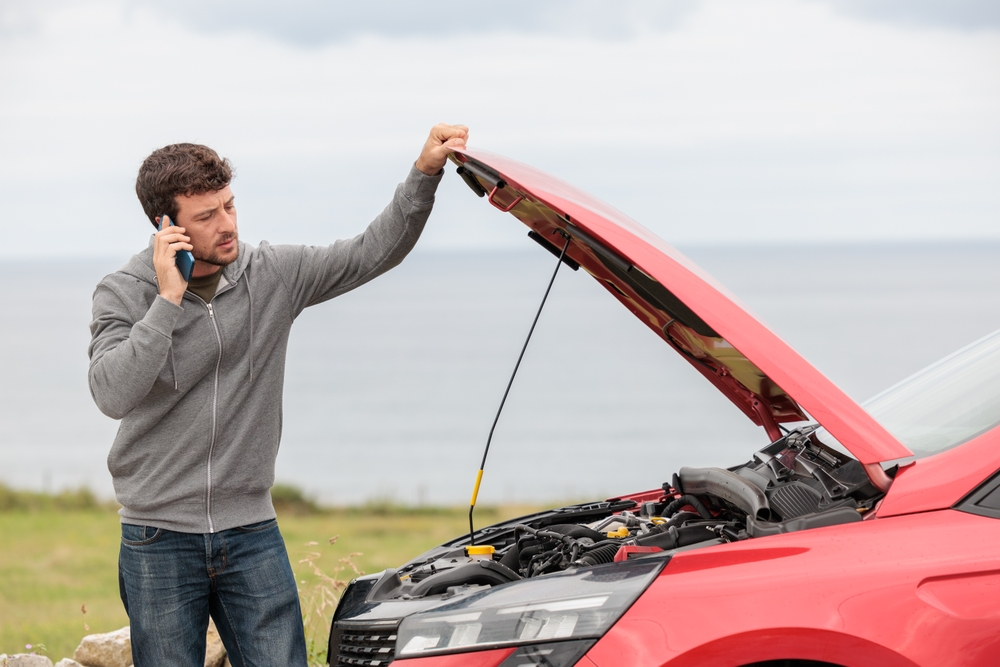
If your car overheats while you are driving, the safest course of action is to pull over as soon as possible and turn the engine off. Do not open the radiator cap right away, as the system is under pressure and can spray scalding coolant. Let the engine cool down for at least 30 minutes before attempting to inspect anything. If you are in an unfamiliar area or the situation seems serious, call for roadside assistance or contact an auto repair shop in La Grande, OR or the nearest available service center.
Adding coolant to a hot engine without letting it cool first can cause thermal shock and crack engine components. Patience is critical in these situations.
Prevention: Keeping Your Engine Cool Year-Round
The good news is that most cases of engine overheating are preventable with consistent maintenance. Staying ahead of these issues is far less expensive than dealing with the aftermath of a severely overheated engine.
Start with regular coolant flushes and top-offs. Your vehicle’s owner manual will specify how often this should be done, but as a general rule, the coolant system should be inspected at least once a year. In a place like La Grande, OR, where temperatures vary significantly by season, having your cooling system checked before summer and winter is a smart habit.
Have your thermostat and water pump inspected during routine maintenance visits. These components do not last forever, and replacing them proactively is far cheaper than dealing with an overheated engine. The same applies to radiator hoses, which should be checked for cracks, soft spots, or swelling.
Keep an eye on your temperature gauge as part of your normal driving routine. Modern drivers can become accustomed to ignoring dashboard indicators, but the temperature gauge is one you should never overlook. If it starts trending higher than usual, schedule a visit to a trusted auto repair shop in La Grande, OR before the problem escalates.
Making sure your radiator is clean and free of debris is also important, especially if you do a lot of off-road or rural driving in Oregon, where dust, insects, and debris can build up quickly.
Conclusion
Engine overheating is a serious issue, but it is also one that can largely be avoided with proper care and attention. For Oregon drivers, and especially those in the La Grande area, understanding the unique demands that the local climate places on your vehicle is a valuable first step. By staying on top of routine maintenance, learning to recognize the warning signs, and working with a reliable auto repair shop in La Grande, OR, you can keep your engine running cool and your drives worry-free.
Need a Mechanic in La Grande, OR?
Our team here at Integrity Automotive has provided quality auto repair services for our customers since 2003. We are a full service auto repair shop and specialize many types of vehicles, including European models such as BMW and Audi, as well as diesel trucks. Our services include engine repair, transmission services, and many more services. Moreover, we are ASE certified and are a proud member of NFIB, and we are a certified NAPA auto care center. Call or come in for immediate service!
Drivers across rural Oregon, especially those in and around La Grande, OR, know how quickly fuel costs can add up when you are covering long stretches of highway, mountain passes, and winding back roads. Understanding the poor gas mileage causes behind your vehicle’s inefficiency is the first step toward saving real money at the pump.
Whether you commute daily through the Blue Mountains or take regular trips across the region, this guide will walk you through the most common reasons your fuel economy suffers and what you can do about it.
The Most Common Poor Gas Mileage Causes
There is no single culprit when it comes to reduced fuel efficiency. In most cases, it is a combination of mechanical issues, driving habits, and environmental factors working against your vehicle at the same time.
One of the leading poor gas mileage causes is a dirty or failing oxygen sensor. Your vehicle relies on this sensor to manage the air-to-fuel mixture inside the engine. When the sensor stops working correctly, your engine burns more fuel than it should, sometimes reducing fuel economy by as much as 40 percent. This is a problem that often goes unnoticed until the check engine light finally comes on.
Spark plugs are another frequent offender. Worn or fouled spark plugs cause misfires, which means the engine is not burning fuel completely on every cycle. The result is wasted fuel and reduced power. Replacing spark plugs on schedule is one of the simplest and most affordable ways to keep your fuel economy in check.
Clogged air filters also hurt performance. Your engine needs a steady flow of clean air to combust fuel efficiently. When the air filter is blocked with dust, debris, or pollen (which is a real concern in Oregon’s varied landscapes), the engine works harder and burns more fuel to compensate. Given the dusty roads common around La Grande, OR, checking your air filter regularly is especially important.
Tire pressure is another major factor that many drivers overlook. Underinflated tires create more rolling resistance, which forces your engine to work harder to move the vehicle forward. For drivers navigating the high desert terrain east of the Cascades, this can translate to a noticeable drop in miles per gallon over time.
Finally, a stuck or sluggish thermostat can prevent your engine from reaching its optimal operating temperature. When the engine runs too cold, it burns extra fuel during warm-up cycles and never reaches peak efficiency. This is a problem that becomes more pronounced during Oregon’s colder months.
How Rural Oregon Driving Conditions Affect Your Fuel Economy
Living and driving in rural Oregon comes with its own set of fuel economy challenges that urban drivers simply do not face. If you are clocking miles between La Grande, OR, and destinations like Baker City, Pendleton, or even Portland, you are dealing with conditions that put consistent pressure on your fuel efficiency.
Elevation changes are a major factor. The route through the Blue Mountains involves significant climbs that demand more from your engine. Every time your vehicle has to work harder to maintain speed going uphill, fuel consumption increases. Drivers who make this trip regularly may find their gas mileage noticeably worse than what the manufacturer estimates.
Cold temperatures also reduce fuel economy, particularly during the startup phase. Gasoline engines are less efficient when cold, and short trips in winter conditions mean your engine is spending more time in that inefficient cold-start phase than it would during long highway runs in warmer weather.
Road conditions matter too. Gravel roads, rough pavement, and uneven surfaces increase rolling resistance and require more frequent acceleration and braking. Stop-and-go driving in town burns more fuel than steady highway cruising, and many rural Oregon drivers experience both on a single trip.
Wind resistance is another underappreciated factor. Eastern Oregon is known for its wind, and driving into a headwind at highway speeds significantly increases fuel consumption. While you cannot control the weather, keeping your vehicle well-maintained ensures it handles these conditions as efficiently as possible.
Practical Ways to Improve Fuel Efficiency in Oregon
The good news is that many of the most effective ways to improve fuel efficiency, in Oregon or anywhere else, are straightforward and affordable. A few habit changes combined with regular maintenance can make a meaningful difference in how far your dollar stretches at the pump.
Keeping up with scheduled maintenance is the foundation of good fuel economy. This means timely oil changes with the correct grade of motor oil, fresh spark plugs, clean air and fuel filters, and properly inflated tires. Each of these items plays a direct role in how efficiently your engine runs.
Driving habits also have a significant impact. Aggressive acceleration and hard braking waste fuel. Maintaining a steady speed on the highway, using cruise control where appropriate, and anticipating stops well in advance all help your engine run more efficiently. On rural Oregon highways where the speed limit is higher, keeping your speed moderate rather than pushing past 70 mph can improve your fuel economy noticeably.
Reducing unnecessary weight in your vehicle is another easy win. Many drivers carry gear, tools, or equipment in their trucks and SUVs year-round without thinking about it. Every extra 100 pounds reduces fuel efficiency slightly, and it adds up over thousands of miles.
If your vehicle has a roof rack or cargo carrier that you are not currently using, removing it will reduce aerodynamic drag and improve your gas mileage, especially at highway speeds common on Oregon’s open roads.
Finally, consider the quality of fuel you are using and where you buy it. Not all fuel blends perform the same, and using the octane rating recommended for your specific vehicle ensures your engine runs as intended.
When to Seek Auto Repair in La Grande, OR
Sometimes, no matter how careful you are with your driving habits and maintenance schedule, your fuel economy still drops. That is usually a sign that your vehicle needs professional attention. For drivers in the region, finding reliable auto repair in La Grande, OR, is essential to keeping your vehicle running at its best.
There are several warning signs that it is time to bring your vehicle in for service. If your check engine light is on, do not delay. Modern vehicles use that light to flag everything from a loose gas cap to a failing catalytic converter, both of which can significantly hurt your gas mileage. A catalytic converter that is not working properly can reduce fuel efficiency while also increasing harmful emissions.
If you notice that your engine hesitates, surges, or runs rough, those symptoms often point to fuel system or ignition problems that will only get worse and more expensive if ignored. Fuel injector issues, in particular, can cause your engine to run rich (burning too much fuel) or lean (not burning enough), both of which hurt efficiency and can damage your engine over time.
A qualified shop offering auto repair in La Grande, OR, can perform a full diagnostic scan, check your fuel system pressure, inspect your oxygen sensors, and identify anything else that might be robbing you of fuel economy. Investing in a proper diagnosis now can save you significantly more in fuel costs down the road.
Conclusion
Poor gas mileage causes range from worn spark plugs and dirty filters to driving habits and the demanding terrain of rural Oregon. By staying on top of routine maintenance, adjusting how you drive, and seeking professional auto repair in La Grande, OR, when needed, you can improve fuel efficiency and keep more money in your pocket. For drivers covering long Oregon miles, every improvement to your gas mileage, in La Grande, OR, or anywhere across the region, adds up over time.
Need a Mechanic in La Grande, OR?
Our team here at Integrity Automotive has provided quality auto repair services for our customers since 2003. We are a full service auto repair shop and specialize many types of vehicles, including European models such as BMW and Audi, as well as diesel trucks. Our services include engine repair, transmission services, and many more services. Moreover, we are ASE certified and are a proud member of NFIB, and we are a certified NAPA auto care center. Call or come in for immediate service!
Your vehicle’s belts and hoses are among the most critical components for keeping your car running smoothly. Many drivers in La Grande, OR, overlook these essential parts until a failure occurs on the road. Understanding when to replace belts and hoses can save you from costly repairs and dangerous breakdowns. This comprehensive guide covers everything you need to know about belt and hose maintenance in Union County and throughout Eastern Oregon.
The Role of Belts and Hoses in Your Vehicle
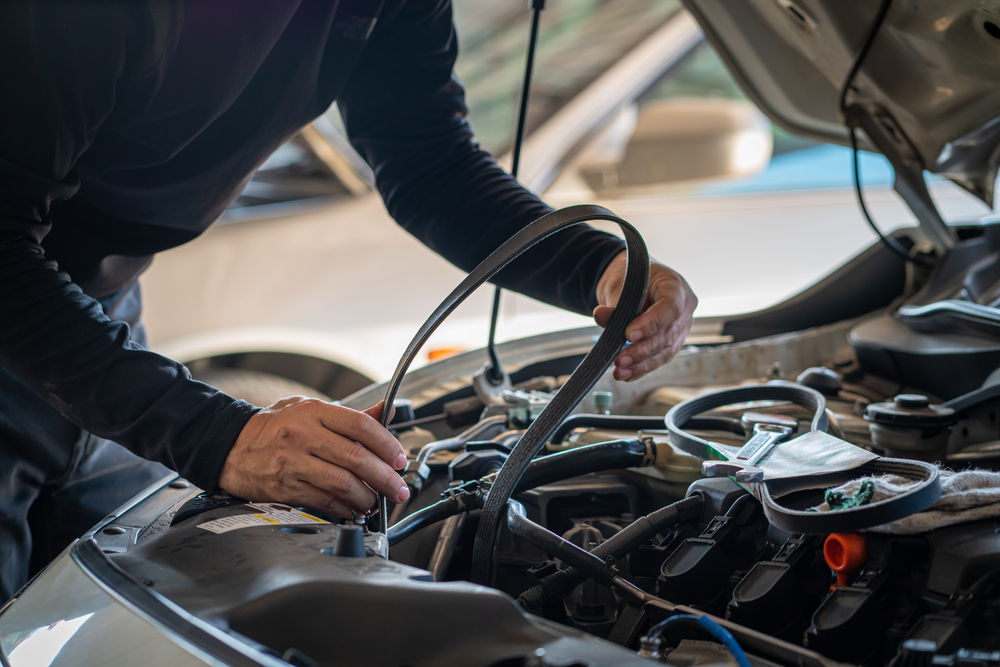
Belts and hoses serve vital functions in your automobile’s operation. The serpentine belt drives multiple engine components, including the alternator, power steering pump, and air conditioning compressor. Without a functioning serpentine belt, your engine cannot operate properly. Radiator hoses transport coolant throughout your engine to prevent overheating. Other hoses deliver fuel, transmission fluid, and brake fluid to critical systems.
When you visit a mechanic in La Grande, OR, they will check these components during routine inspections. These parts wear down gradually over time due to heat exposure, constant flexing, and exposure to engine chemicals. Regular car maintenance in La Grande, OR, includes monitoring these components before they fail. Many vehicle owners in Eastern Oregon ignore warning signs until their car leaves them stranded on the side of the road.
Signs of Worn Belts and Hoses You Should Not Ignore
Recognizing signs of wear early can help you schedule belt and hose replacement in La Grande, OR, before a failure occurs. Your serpentine belt may squeal or chirp when you start your engine or accelerate. This noise indicates the belt is losing grip on the pulleys. A worn serpentine belt may also appear cracked, frayed, or glazed when inspected.
Hose problems manifest differently than belt issues. You might notice coolant leaks beneath your vehicle, which appear as green, orange, or pink liquid on your driveway or garage floor. A bulging or soft hose indicates internal deterioration. Your engine may overheat if a radiator hose is failing. Some drivers notice a burning smell, which can signal a hose rubbing against hot engine components.
Professional auto repair in La Grande, OR, should be sought immediately if you notice these symptoms. Continuing to drive on a failing belt or hose risks complete engine damage and expensive repairs. The cost of preventative maintenance is far less than repairing an overheated engine or replacing a serpentine belt that has snapped mid-drive.
Timing Belt Replacement: A Critical Maintenance Task
Timing belt replacement represents one of the most important auto maintenance decisions in Eastern Oregon. Not all vehicles have timing belts; some have timing chains that rarely need replacement. However, if your vehicle has a timing belt, understanding replacement intervals is crucial.
Most manufacturers recommend timing belt replacement every 60,000 to 100,000 miles, depending on your vehicle model. Unlike serpentine belts, timing belts are internal components that do not show external signs of wear. You cannot assess their condition visually without removing engine covers. Timing belt failure occurs suddenly without warning, which makes preventative replacement essential.
When your timing belt fails, the consequences are severe. Your engine stops running immediately, leaving you stranded. More importantly, a broken timing belt can cause the pistons to collide with the valves, resulting in catastrophic internal engine damage. Repair costs can exceed several thousand dollars. This is why car maintenance in La Grande, OR, must include timing belt replacement at manufacturer-recommended intervals.
Your mechanic in La Grande, OR, can advise you on your specific vehicle’s timing belt replacement schedule. Many drivers combine timing belt replacement with other routine service tasks to maximize efficiency and minimize labor costs.
Preventative Maintenance Strategies for La Grande, OR Residents
Preventative maintenance in La Grande, OR, extends the life of your belts and hoses while improving vehicle reliability. Regular oil changes help keep your serpentine belt clean and properly lubricated. Quality motor oil protects rubber components from degradation caused by heat and engine sludge.
Check your vehicle’s coolant level monthly and maintain it at proper levels. Low coolant can cause hoses to deteriorate faster due to excessive heat. Replace your coolant according to manufacturer specifications; old coolant loses its protective properties. Your auto repair shop in La Grande, OR, can flush your cooling system and refill it with fresh coolant during regular maintenance visits.
Inspect visible hoses and belts during every oil change. Look for cracks, soft spots, bulging, or leaks. Have any suspicious components evaluated by a professional immediately. Heat exposure is the primary enemy of belts and hoses, so keeping your engine temperature regulated through proper coolant maintenance is essential.
In Union County and throughout Eastern Oregon, weather conditions can accelerate wear. Temperature fluctuations and moisture exposure stress rubber components. Regular inspections become even more important in our climate. Ask your mechanic in La Grande, OR, about establishing a preventative maintenance schedule tailored to your vehicle and driving habits.
Avoiding Car Breakdowns Through Smart Maintenance Decisions
Avoiding car breakdowns in Oregon begins with treating belt and hose replacement as essential maintenance rather than optional service. Many drivers only visit a mechanic in La Grande, OR, when something is already broken. This reactive approach leads to roadside emergencies and expensive repairs.
Create a maintenance calendar for your vehicle based on manufacturer recommendations. Schedule appointments for timing belt replacement well in advance. Plan coolant system flushes and serpentine belt inspections into your annual maintenance routine. Document all work completed so you maintain a complete service history.
Your automobile depends on these components functioning together. A failed belt or hose can trigger a cascade of damage. For example, if your serpentine belt breaks, your alternator stops charging your battery, and your vehicle dies shortly after. A failed radiator hose causes overheating that can warp your engine head. These secondary failures compound the cost and inconvenience of the original breakdown.
Residents throughout Eastern Oregon benefit from regular visits to trusted auto repair facilities in La Grande, OR. Building a relationship with a reliable mechanic means you receive honest assessments of your vehicle’s condition. They can advise you on the actual condition of your belts and hoses rather than recommending unnecessary work.
Choosing the Right Time and Shop for Belt and Hose Replacement
Timing your belt and hose replacement in La Grande, OR, requires balancing cost and reliability. Routine replacement based on manufacturer intervals prevents unexpected failures. However, if your belt appears worn before reaching the recommended mileage, replacement should not be delayed.
Select an auto repair shop in La Grande, OR, that specializes in the type of vehicle you drive. Different manufacturers recommend different intervals and use different belt configurations. A shop familiar with your vehicle’s specific needs will provide accurate diagnostics and recommendations.
Quality replacement parts matter significantly. Cheap aftermarket belts and hoses may fail prematurely, defeating the purpose of preventative maintenance. Professional mechanics in La Grande, OR, typically source quality parts that meet manufacturer specifications. These components last longer and provide better protection for your engine.
Get written estimates before authorizing work. Ask your mechanic in La Grande, OR, to explain why replacement is recommended. Request information about the parts being used and warranty coverage. Transparent communication helps you make informed decisions about your vehicle’s maintenance.
Conclusion
Belt and hose replacement is fundamental to car maintenance in La Grande, OR, and throughout Union County. By understanding the signs of wear, respecting manufacturer replacement intervals, and scheduling preventative maintenance, you protect your vehicle from costly breakdowns. Whether you need timing belt replacement, serpentine belt service, or radiator hose inspection, trusting a qualified mechanic in La Grande, OR, ensures your vehicle remains reliable for years to come. Do not wait for a failure to occur; contact your local auto repair shop today to discuss your vehicle’s specific maintenance needs and avoid the inconvenience and expense of roadside emergencies in Eastern Oregon.
Need a Mechanic in La Grande, OR?
Our team here at Integrity Automotive has provided quality auto repair services for our customers since 2003. We are a full service auto repair shop and specialize many types of vehicles, including European models such as BMW and Audi, as well as diesel trucks. Our services include engine repair, transmission services, and many more services. Moreover, we are ASE certified and are a proud member of NFIB, and we are a certified NAPA auto care center. Call or come in for immediate service!
Your vehicle’s transmission is one of the most critical and expensive components to repair or replace. A failing transmission can leave you stranded and cost thousands of dollars in repairs. Learning to recognize the early warning signs of transmission problems is essential for every vehicle owner in La Grande, OR, and throughout Union County. By understanding these symptoms and seeking professional help from a qualified mechanic in La Grande, OR, you can prevent costly transmission failure and keep your vehicle running smoothly for years to come.
Transmission Warning Signs
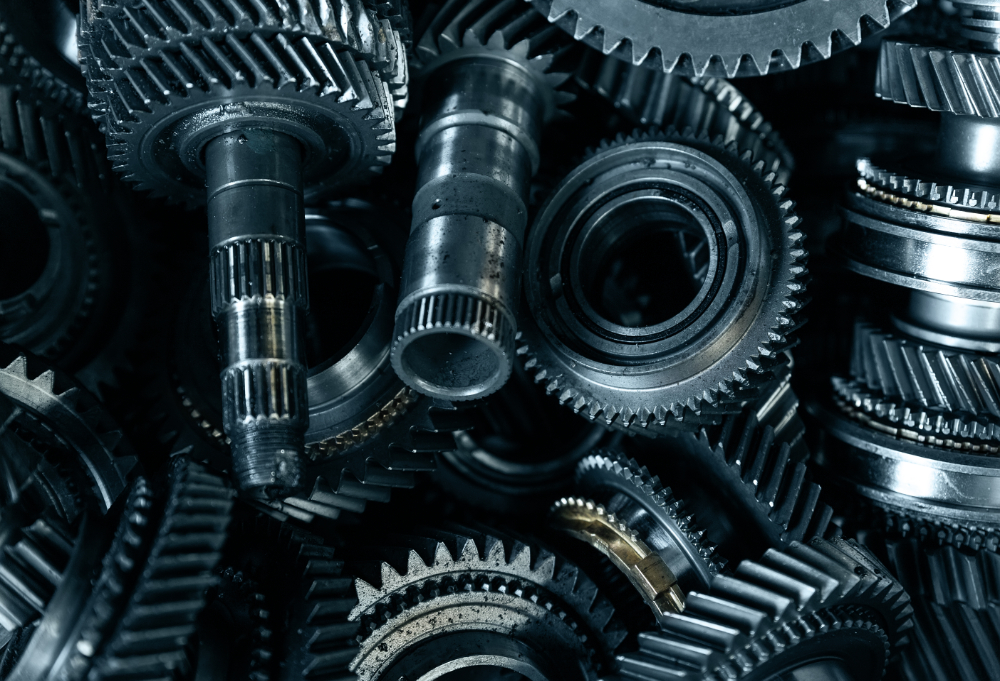
The transmission in your vehicle is responsible for transferring power from the engine to the wheels in the proper gear ratio. When something goes wrong with this complex system, your car will typically send you warning signals. Transmission slipping symptoms are among the most common indicators that something isn’t right. If you notice your engine revving higher than normal without a corresponding increase in vehicle speed, or if you experience unexpected gear changes while driving, these are clear signs your transmission needs attention.
One of the first transmission slipping symptoms that drivers notice is a delay when accelerating from a complete stop. Your vehicle might hesitate or feel sluggish when you press the accelerator pedal. This is different from normal acceleration performance and suggests that your transmission isn’t engaging properly. If you’re experiencing car shifting problems or notice that your vehicle hesitates before shifting gears, it’s time to visit an auto repair shop in La Grande, OR, for a professional diagnosis.
Identifying Signs of Transmission Failure
Signs of transmission failure can range from subtle to dramatic, depending on the underlying problem. One of the most noticeable warning signals is a check engine light transmission issue appearing on your dashboard. Modern vehicles have sophisticated diagnostic systems that monitor transmission performance constantly. When the onboard computer detects a problem, it illuminates the check engine light to alert you to seek professional inspection.
Unusual noises coming from your vehicle can also indicate transmission problems. If you hear grinding, whining, or clunking sounds, especially when shifting gears, these are red flags that warrant immediate attention from a transmission service specialist in La Grande, OR. These noises often indicate that internal transmission components are wearing out or that there’s inadequate transmission fluid lubrication. Ignering these warning signs can quickly lead to catastrophic transmission failure.
Strange odors from beneath your vehicle are another indicator that something is wrong. A burning smell often means your transmission fluid is overheating due to excessive friction or low fluid levels. Transmission fluid should have a slightly sweet smell when it’s in good condition. If you detect a burnt odor, pull over safely and have your vehicle inspected by a qualified mechanic in La Grande, OR, as soon as possible.
Transmission Maintenance Tips to Prevent Problems
Preventing transmission failure is far more cost-effective than dealing with a complete transmission replacement. One of the most important transmission maintenance tips is to check your transmission fluid regularly. Unlike engine oil, transmission fluid doesn’t burn off, so any fluid loss indicates a leak that needs to be addressed. Low transmission fluid causes inadequate lubrication, leading to excessive heat and accelerated wear on internal components.
Have your transmission fluid inspected and changed according to your vehicle manufacturer’s recommendations. Modern automatic transmissions often have sealed systems, but many mechanics recommend periodic fluid changes to maintain optimal performance. Discuss transmission service options with your auto repair shop in La Grande, OR, to determine the best maintenance schedule for your specific vehicle. Regular transmission service can extend the life of your transmission significantly and help you avoid major repairs down the road.
Driving habits also play a crucial role in transmission longevity. Avoid towing loads beyond your vehicle’s capacity, as excessive strain accelerates transmission wear. Don’t rest your foot on the brake pedal while in drive, as this creates unnecessary transmission pressure. Allow your vehicle to warm up during cold weather before driving aggressively. These simple practices contribute to preventing transmission failure and maintaining your vehicle’s reliability.
Common Symptoms Requiring Professional Diagnosis
If you experience car shifting problems like rough or delayed shifts, grinding sounds, or slipping sensations, don’t delay in seeking professional help. A transmission service center in La Grande, OR, can run diagnostic tests to pinpoint the exact issue. Some problems might be as simple as low transmission fluid, while others could indicate internal damage requiring major repairs. Early diagnosis is crucial for preventing a minor issue from becoming a catastrophic failure.
Pay attention to how your transmission behaves in different driving conditions. Does it shift smoothly when accelerating on the highway? Does it have difficulty shifting into reverse or park? Does it slip out of gear unexpectedly? These observations are valuable information to share with your mechanic in La Grande, OR. Professional diagnostics can read trouble codes from your vehicle’s onboard computer and help technicians understand exactly what’s causing the problem. Many transmission issues are preventable when caught early, but ignoring warning signs almost always leads to complete transmission failure.
Taking Action in Eastern Oregon
If you live in Eastern Oregon, particularly in Union County, you understand the importance of reliable transportation. Rural areas often require vehicles to travel long distances between towns, making transmission problems especially problematic. A local auto repair shop in La Grande, OR, specializing in transmission service can provide the expertise and quick turnaround you need.
Don’t attempt to diagnose transmission problems yourself or delay seeking professional help. The complexity of modern transmissions requires specialized tools and expertise. A qualified mechanic in La Grande, OR, can provide accurate diagnosis, honest recommendations, and quality repairs. Whether you need transmission service, fluid changes, repairs, or complete transmission replacement, a reputable auto repair shop in La Grande, OR, can handle all your transmission needs efficiently and professionally.
Regular maintenance and prompt attention to warning signs are your best defense against transmission failure. By staying proactive about your vehicle’s health and addressing problems early, you can save thousands of dollars and avoid the inconvenience of a broken-down vehicle.
Conclusion
Your vehicle’s transmission is too important to ignore. Whether you notice transmission slipping symptoms, unusual noises, or a check engine light transmission issue, seek professional help immediately. Regular transmission maintenance tips and early detection of signs of transmission failure can prevent costly repairs and keep your vehicle reliable. Visit your trusted auto repair shop in La Grande, OR, today to keep your transmission and your vehicle in excellent condition.
Need a Mechanic in La Grande, OR?
Our team here at Integrity Automotive has provided quality auto repair services for our customers since 2003. We are a full service auto repair shop and specialize many types of vehicles, including European models such as BMW and Audi, as well as diesel trucks. Our services include engine repair, transmission services, and many more services. Moreover, we are ASE certified and are a proud member of NFIB, and we are a certified NAPA auto care center. Call or come in for immediate service!
Living in Eastern Oregon means dealing with unique environmental challenges that can significantly impact your vehicle’s longevity. The combination of moisture, temperature fluctuations, and occasional road salt creates the perfect storm for rust and corrosion. Whether you’re in La Grande, OR or anywhere else in this region, understanding how to protect your car from these damaging elements is essential for maintaining its value and safety.
Rust and Corrosion in Eastern Oregon’s Climate
The Eastern Oregon climate presents specific conditions that accelerate rust and corrosion on vehicles. Winter months bring moisture and occasional freezing rain, while spring and summer can introduce unexpected temperature swings. Road salt used during icy conditions is one of the most aggressive culprits, chemically attacking metal surfaces on your car’s undercarriage and exterior.
Rust forms when iron in steel reacts with oxygen and moisture. Corrosion is a broader term that includes rust and other forms of chemical deterioration. In Eastern Oregon, the altitude and climate patterns create an environment where both processes accelerate faster than in lower-elevation regions. The dry summer air followed by wet winter conditions means your vehicle experiences constant exposure to moisture and subsequent drying cycles that weaken protective coatings.
Understanding these environmental factors helps you appreciate why rust prevention in La Grande and the surrounding area requires proactive measures. Your car doesn’t just need occasional washing; it needs comprehensive protection strategies tailored to our regional climate.
Regular Washing and Undercarriage Cleaning
The most fundamental step in car corrosion protection is keeping your vehicle clean. Regular washing removes salt, dirt, and chemical residues that accumulate on your car’s surface. However, many vehicle owners focus only on the visible exterior while neglecting the undercarriage, where corrosion begins most aggressively.
In Eastern Oregon, where road salt is common during winter, undercarriage cleaning becomes critically important. The underside of your vehicle is constantly exposed to salt spray, mud, and moisture from the roads. This creates an ideal environment for rust to develop on crucial components like suspension parts, brake lines, and the frame.
Wash your vehicle every two weeks during winter months, focusing especially on the undercarriage. If your local car wash doesn’t offer undercarriage cleaning, consider taking your car to a facility that does or using a pressure washer at home. Pay special attention to wheel wells, fenders, and areas where mud and salt tend to accumulate.
During spring and fall, when weather transitions between seasons, increase your washing frequency. This prevents the buildup of winter salt residue and removes debris that traps moisture against metal surfaces. Don’t forget to clean the interior as well; moisture inside your vehicle can contribute to corrosion of interior components and the underside of the roof.
Applying Protective Coatings and Sealants
Beyond washing, applying protective coatings provides a crucial barrier against rust and corrosion. Paint sealants, ceramic coatings, and wax create a protective layer that prevents moisture and salt from reaching the underlying metal. For serious auto body maintenance in La Grande, many professional detailers offer these specialized services.
Ceramic coatings offer superior protection compared to traditional wax, lasting anywhere from one to five years depending on the product. These coatings chemically bond to your clear coat, creating a hydrophobic surface that repels water and prevents contaminant adhesion. While more expensive initially, ceramic coatings provide excellent long-term value in Eastern Oregon’s challenging climate.
Undercoating your vehicle provides protection specifically for the undercarriage and hidden components. Professional undercoating creates a rubberized barrier that prevents salt and moisture from contacting metal surfaces directly. Apply undercoating before winter arrives, as this is when your vehicle will face the harshest conditions.
Don’t overlook the importance of touch-up paint. Small chips and scratches expose bare metal, which rusts quickly when exposed to moisture and salt. Keep paint touch-up pens matching your vehicle’s color in your car and apply them promptly whenever you notice damage.
Maintaining Your Vehicle’s Drainage Systems
Water accumulation in hidden areas of your vehicle is a primary cause of rust formation. Your car has multiple drainage systems designed to direct water away from critical components. When these systems become clogged with debris, water pools in areas where it shouldn’t be, accelerating corrosion.
Check your vehicle’s weatherstripping around doors and windows regularly. Worn or damaged weatherstripping allows water to enter the passenger compartment and hidden cavities within the vehicle’s structure. Replace weatherstripping before winter to ensure proper water management.
Inspect the drainage holes along your roofline, door frames, and undercarriage. These small openings prevent water from accumulating in areas where you can’t see it. Clear any debris, leaves, or dirt that might clog these important drainage points.
The sunroof area is another common problem spot for water accumulation. Check that sunroof drains are functioning properly, as clogged drains lead to water leaking into the vehicle’s interior and hidden frame areas. If you notice water pooling anywhere inside your vehicle, address it immediately before it causes extensive rust damage.
Professional Inspection and Early Intervention
Regular professional inspections catch rust and corrosion problems before they become major issues. Many automotive shops in Eastern Oregon, including those throughout La Grande, offer comprehensive inspections that identify early signs of corrosion and rust development.
During a professional inspection, mechanics check areas you might miss, including the frame, suspension components, brake lines, and fuel system. They can identify surface rust before it becomes structural rust, which is far more serious and expensive to repair.
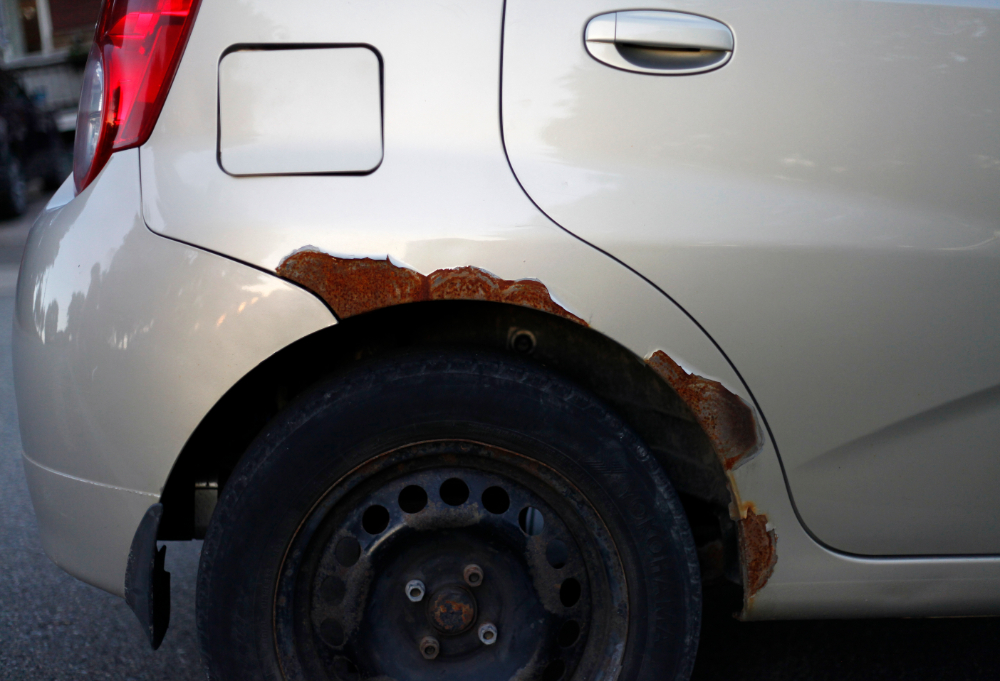
Early intervention is key to effective rust prevention and car corrosion protection. A small spot of surface rust can be treated with rust converter or sanded and repainted. However, structural rust that has compromised the integrity of your vehicle’s frame or critical components can cost thousands of dollars to repair or may make the vehicle unsafe.
Schedule professional inspections at least annually, preferably before winter arrives. If you notice any unusual bubbling in the paint, visible rust spots, or unusual sounds from the undercarriage, have your vehicle inspected immediately rather than waiting for a scheduled appointment.
Seasonal Preparation Strategies
Each season in Eastern Oregon brings different challenges for rust prevention. Preparing your vehicle appropriately for seasonal transitions significantly extends its lifespan and maintains its value.
Before winter, apply a protective coating to the undercarriage, check your weatherstripping, and ensure all drainage systems are clear. Consider waxing your entire vehicle or applying a ceramic coating to provide maximum protection during the harsh winter months when road salt is most prevalent.
As spring arrives, thoroughly wash your vehicle to remove accumulated winter salt and road treatment chemicals. This is an ideal time to inspect for any rust damage that may have developed during winter and address it before it worsens.
Summer offers an opportunity to maintain your protective coatings and ensure your vehicle is in optimal condition. Fall preparation involves checking weatherstripping again and cleaning out drainage systems before winter returns.
Conclusion
Protecting your vehicle from rust and corrosion in Eastern Oregon requires a comprehensive, year-round approach. By understanding the unique climate challenges of our region, you can implement effective strategies that preserve your car’s structural integrity, appearance, and value. Regular washing with emphasis on undercarriage cleaning, professional protective coatings, maintained drainage systems, and seasonal preparations form the foundation of successful rust prevention in La Grande and throughout Eastern Oregon.
Auto body maintenance tailored to our regional climate isn’t just about aesthetics; it’s about safety and long-term vehicle reliability. The investment you make today in proper car corrosion protection will save you thousands of dollars in repairs down the line. By following these guidelines and staying proactive about your vehicle’s protection, you can confidently drive through Eastern Oregon’s challenging weather while knowing your car is properly protected against rust and corrosion.
Need a Mechanic in La Grande, OR?
Our team here at Integrity Automotive has provided quality auto repair services for our customers since 2003. We are a full service auto repair shop and specialize many types of vehicles, including European models such as BMW and Audi, as well as diesel trucks. Our services include engine repair, transmission services, and many more services. Moreover, we are ASE certified and are a proud member of NFIB, and we are a certified NAPA auto care center. Call or come in for immediate service!