
Brake Problems You Should Never Ignore: Signs You Need Brake Repair
If you drive around La Grande, OR, your brakes handle everything from stop-and-go traffic downtown to steep grades on Interstate 84 and mountain roads through the Blue Mountains. Reliable braking is essential year-round, especially during wet weather, icy winters, and changing road conditions in Union County.

Quick Answer

Brake problems should never be ignored because they can quickly become serious safety hazards. Warning signs such as squealing, grinding, vibrations, soft brake pedals, pulling to one side, or dashboard warning lights often indicate that your braking system needs professional attention. Addressing these issues early can help prevent more expensive repairs and improve safety for everyone on the road.

What Local Drivers Should Know

  • Squealing brakes often indicate worn brake pads that should be inspected before they damage the rotors.

  • Winter snow and ice around La Grande can increase wear on brake components due to moisture and road treatment materials.

  • Frequent trips through the Blue Mountains or along Interstate 84 can place additional stress on braking systems because of long downhill grades.

  • Brake warning lights should never be ignored, even if your vehicle still seems to stop normally.

  • Regular brake inspections can help identify minor issues before they become costly repairs.

Why This Matters Locally

Brake performance is especially important for drivers throughout La Grande and surrounding communities like Island City, Cove, Elgin, and Union. Seasonal weather brings rain, snow, freezing temperatures, and icy roads that demand dependable stopping power. Mountain driving, elevation changes, and rural highways also require brakes that respond consistently under varying conditions.

At Integrity Automotive, we understand the challenges local drivers face. We believe routine inspections and timely brake repairs help keep families, commuters, students, and travelers safer throughout Union County.

Local Field Observations

Professional experience shows that many brake issues begin with routine wear that drivers may not notice right away. During inspections, we commonly find worn brake pads, heat-damaged rotors, contaminated brake fluid, or sticking brake calipers before they become complete brake failures.

Vehicles that regularly travel between La Grande, Pendleton, Baker City, and nearby mountain passes often experience faster brake wear because of repeated elevation changes and heavy braking.

Local Impact

Brake problems affect much more than stopping distance. Delaying repairs can lead to:

  • Increased repair costs from damaged rotors or calipers.

  • Reduced vehicle control during rain, snow, or icy roads.

  • Longer stopping distances in emergency situations.

  • Additional wear on tires and suspension components.

  • Reduced confidence while driving through mountain terrain.

Signs You Need Brake Repair

Brake problems usually provide warning signs before complete failure. Contact a professional if you notice any of the following:

1. Squealing or Screeching Sounds

High-pitched noises often indicate that brake pads have worn to their wear indicators.

2. Grinding When Braking

Grinding usually means the brake pad material has worn away completely, allowing metal components to contact the rotor.

3. Vibrating Brake Pedal

A vibrating pedal frequently points to warped brake rotors or uneven braking surfaces.

4. Soft or Spongy Brake Pedal

A pedal that feels unusually soft may indicate air in the brake lines, brake fluid problems, or hydraulic system issues.

5. Vehicle Pulling to One Side

Uneven braking may result from a sticking caliper, uneven pad wear, or brake fluid concerns.

6. Brake Warning Light

Modern vehicles monitor several brake system components. A warning light should always be inspected promptly.

7. Burning Smell After Braking

Overheated brakes can produce a sharp burning odor, especially after descending long grades.

When to Call a Professional

Brake inspections should be scheduled as soon as any warning sign appears. While drivers can occasionally inspect brake fluid levels or visually check pad thickness through the wheels, internal brake system repairs require specialized tools and proper safety procedures.

Driving with grinding brakes, a soft pedal, fluid leaks, or reduced stopping power should never be considered safe. Local winter weather and mountain roads can make these issues significantly more dangerous.

Common Local Causes of Brake Problems

Several conditions commonly contribute to brake wear around La Grande.

Frequent Mountain Driving

Long descents through the Blue Mountains generate additional brake heat and accelerate component wear.

Winter Moisture

Snow, slush, and moisture can contribute to corrosion on brake hardware and rotors.

Stop-and-Go Traffic

Daily commuting around town increases brake pad usage over time.

Delayed Maintenance

Waiting too long to replace worn pads often results in rotor damage and more expensive repairs.

Aging Brake Fluid

Brake fluid naturally absorbs moisture over time, reducing braking performance if left unchanged for extended periods.

Prevention and Maintenance

Routine maintenance helps extend brake life while improving safety.

Helpful maintenance practices include:

  • Schedule brake inspections during regular vehicle maintenance.

  • Listen for new noises while braking.

  • Replace brake pads before they become excessively worn.

  • Have brake fluid inspected according to manufacturer recommendations.

  • Reduce excessive braking during long downhill drives by using appropriate transmission gearing when possible.

  • Address warning lights promptly.

Expected Results After Brake Service

Professional brake service can restore smooth, predictable stopping performance. Depending on the repair, drivers often notice:

  • Quieter braking.

  • Improved pedal feel.

  • Shorter stopping distances.

  • Reduced vibrations.

  • More consistent braking during daily driving.

  • Greater confidence in changing weather conditions.

Common Mistakes Drivers Make

Ignoring Squealing

Consequence: Brake pads continue wearing until they damage rotors.

Better Approach: Schedule an inspection when the noise first appears.

Waiting for Complete Brake Failure

Consequence: Repairs become more extensive and expensive.

Better Approach: Address warning signs early.

Assuming Vibrations Are Tire Problems

Consequence: Brake rotor issues may continue worsening.

Better Approach: Have both the brakes and suspension inspected.

Skipping Brake Fluid Service

Consequence: Moisture contamination can reduce braking performance.

Better Approach: Follow manufacturer maintenance recommendations.

Common Local Scenario

A driver commuting daily between La Grande and Island City begins hearing a light squealing sound while stopping at intersections. The vehicle still stops normally, so the noise is ignored for several weeks. Eventually, the squeal becomes a grinding sound, and the repair now requires both brake pads and new rotors instead of a simple pad replacement. Situations like this are common and illustrate why early inspections can help reduce repair costs.

Related Service Solutions

Brake concerns may involve one or several services, including:

  • Brake inspections

  • Brake pad replacement

  • Rotor resurfacing or replacement

  • Brake caliper service

  • Brake fluid exchange

  • Complete brake system diagnostics

Comparing Your Options

Option Benefits Considerations
DIY Visual Inspection Can identify obvious wear or leaks Limited without proper equipment
Professional Brake Inspection Comprehensive diagnosis of the entire braking system Recommended whenever symptoms appear
Early Brake Pad Replacement Helps prevent rotor damage Less expensive than delayed repairs
Waiting Until Brakes Fail No immediate repair expense Higher repair costs and increased safety risks

Service Areas

We proudly serve drivers throughout La Grande, Island City, Cove, Union, Elgin, and surrounding communities across Union County. Whether you commute locally or travel regularly across Eastern Oregon, we help keep your braking system performing safely.

The Cost of Ignoring Brake Problems

Delaying brake repairs often allows small issues to become much larger ones. Worn brake pads can damage rotors, sticking calipers can create uneven wear, and hydraulic problems can reduce stopping ability. Addressing brake concerns early is usually less expensive than repairing extensive damage later.

Frequently Asked Questions

How often should brakes be inspected in La Grande?

Brake inspections are generally recommended during routine maintenance or whenever you notice unusual noises, vibrations, or warning lights. Drivers who frequently travel mountain roads may benefit from more frequent inspections.

Can cold winters affect my brakes?

Yes. Snow, moisture, and freezing temperatures around La Grande can contribute to corrosion and place additional demands on braking systems.

Is brake squealing always a sign of worn pads?

Not always. Squealing may result from moisture, brake dust, or worn pads. A professional inspection can identify the exact cause.

Why do my brakes shake when stopping?

Brake vibrations commonly indicate uneven rotor surfaces or warped rotors, although suspension issues can sometimes produce similar symptoms.

Should I drive if my brake warning light comes on in Union County?

Brake warning lights should be inspected as soon as possible because they may indicate hydraulic issues, low brake fluid, or other important safety concerns.

Do mountain roads increase brake wear?

Yes. Frequent driving through the Blue Mountains and other steep grades often causes brakes to work harder, leading to faster wear than flat-road driving.

How long do brake pads usually last?

Brake pad lifespan varies depending on driving habits, terrain, vehicle weight, and road conditions. Regular inspections are the best way to determine remaining brake life.

What happens during a brake inspection?

A technician typically evaluates brake pads, rotors, calipers, brake fluid, hoses, hardware, and overall braking performance to identify any needed repairs.

Keep Your Brakes Ready for Every Drive

Reliable brakes are one of the most important safety systems on your vehicle. Paying attention to early warning signs and scheduling inspections before problems worsen can help you stay safe on every drive throughout La Grande and the surrounding communities.

Schedule Trusted Brake Service in La Grande

Whether you’ve noticed unusual brake noises or simply want peace of mind before your next trip, we’re here to help. Contact us today to schedule your brake inspection and keep your vehicle stopping safely when it matters most.
How to Tell When Your Brakes Need Service

When it comes to staying safe on the road, few components of your vehicle are as important as your brakes. Whether you’re commuting daily, running errands, or heading out for a weekend road trip, properly functioning brakes can make the difference between a smooth stop and a dangerous situation. Understanding the signs your brakes need repair and knowing when to replace brake pads are crucial for both safety and vehicle maintenance. If you’ve ever searched for “brake service near me” in La Grande, OR, you already know how vital it is to address potential brake issues promptly. In this comprehensive guide, we’ll cover everything you need to know about spotting brake problems before they escalate into costly or dangerous failures.

The Importance of Brake Maintenance

Your vehicle’s braking system is a complex network of components that work together to ensure a safe and controlled stop. Over time, these parts naturally wear down due to friction, heat, and environmental conditions. If left unchecked, worn brakes can increase stopping distances, decrease control, and even cause accidents. For drivers in La Grande, OR, where weather conditions can range from snowy winters to hot, dry summers, brake performance becomes even more critical.

Regular brake repair and inspection help maintain not only your safety but also your vehicle’s longevity. When you stay on top of routine maintenance, you reduce the risk of unexpected breakdowns and save money in the long run by addressing minor issues before they turn into major repairs. Even if your vehicle seems to stop fine, hidden wear and tear could be compromising your system without noticeable symptoms at first. That’s why scheduling periodic check-ups with a trusted mechanic or searching for a reputable “brake service near me” is an essential part of responsible vehicle ownership.

Common Signs Your Brakes Need Repair

Knowing the warning signs of brake trouble can help you act before the problem becomes dangerous. Some indicators are subtle, while others are hard to ignore. One of the most common signs is a squealing or screeching noise when you apply the brakes. This sound often comes from wear indicators built into brake pads, which are designed to alert you when it’s time for replacement. Ignoring this can lead to metal-on-metal contact, which severely damages your rotors and leads to costly repairs.

Another major sign is vibration or pulsation in the brake pedal or steering wheel. This often signals warped rotors, which can happen due to excessive heat from aggressive braking or prolonged downhill driving. In some cases, you might also notice a grinding sound, which typically indicates your brake pads have worn down completely. When this happens, immediate brake repair is crucial to prevent further damage to your braking system.

Additionally, a soft or spongy brake pedal can be a red flag for air or moisture in the brake lines, which compromises hydraulic pressure. If your vehicle pulls to one side while braking, it may indicate uneven brake pad wear, a sticking caliper, or a problem with the brake fluid. All of these symptoms warrant a professional inspection. If you’re in La Grande, OR, having a reliable auto shop nearby makes it easier to get these issues checked promptly, ensuring your brakes are safe and fully operational.

When to Replace Brake Pads

One of the most frequently asked questions by vehicle owners is when to replace brake pads. While the exact timing depends on your driving habits, the type of vehicle, and the materials used in the pads, most experts recommend inspecting them every 10,000 to 15,000 miles and replacing them approximately every 25,000 to 70,000 miles. Aggressive driving, heavy city traffic, and mountainous terrain — all common factors for drivers around La Grande, OR — can cause pads to wear out faster.

Brake pads are a critical part of your vehicle’s safety system, as they provide the friction needed to stop your car. When pads become too thin, your stopping power decreases, putting you and others at risk. Some modern vehicles are equipped with dashboard warning lights to indicate when pads need replacement, but not all cars have this feature. That’s why it’s essential to listen for sounds, watch for performance changes, and have your brakes checked regularly.

Choosing the right replacement pads also matters. Organic pads are quieter but wear faster, while semi-metallic and ceramic pads provide better performance and durability. A reputable mechanic specializing in brake repair can help you select the best option for your vehicle and driving conditions. If you’re unsure, searching for “brake service near me” will connect you with local professionals who can assess your needs and recommend the right solution.

Finding Reliable Brake Service in La Grande, OR

When you need brake repair, it’s important to choose a shop you can trust. If you’re located in La Grande, OR, you have several options for qualified mechanics and automotive service centers. However, not all shops are created equal, and selecting the right one can make a significant difference in both safety and cost-effectiveness.

Look for certified technicians who have experience working with your vehicle’s make and model. Reading reviews, asking for recommendations, and researching a shop’s reputation can help you find a provider known for quality service. Many drivers start by searching online for “brake service near me” to compare options and get an idea of pricing and turnaround times. Local shops often offer personalized service, which can be especially valuable if your vehicle has unique needs or you want to establish an ongoing maintenance relationship.

Additionally, ask about warranties on parts and labor. A reputable shop will stand behind its work and provide you with peace of mind knowing your vehicle’s safety is a top priority. In areas like La Grande, OR, where weather and road conditions can vary significantly throughout the year, having a trusted brake specialist on speed dial can make all the difference when unexpected issues arise.

Conclusion

Your brakes are one of the most critical components of your vehicle’s safety system, and staying proactive about maintenance can save you from costly repairs and dangerous situations. By understanding the signs your brakes need repair and knowing when to replace brake pads, you can make informed decisions that keep you, your passengers, and other drivers safe. For residents of La Grande, OR, staying on top of brake health is especially important due to diverse driving conditions and potential weather challenges.

If you suspect your brakes aren’t performing as they should, don’t wait until it’s too late. A quick search for “brake service near me” can connect you with skilled technicians who can diagnose issues, perform necessary brake repair, and ensure your vehicle is safe to drive. Regular inspections and timely maintenance are the keys to keeping your braking system in top shape, providing peace of mind every time you hit the road.

Need a Mechanic in La Grande, OR?

Our team here at Integrity Automotive has provided quality auto repair services for our customers since 2003. We are a full service auto repair shop and specialize many types of vehicles, including European models such as BMW and Audi, as well as diesel trucks. Our services include engine repair, transmission services, and many more services. Moreover, we are ASE certified and are a proud member of NFIB, and we are a certified NAPA auto care center. Call or come in for immediate service!

The Importance of Regular Brake Maintenance in Preventing Costly Repairs

Brakes are one of the most crucial components of any vehicle, ensuring both safety and control while driving. Without a properly functioning braking system, drivers risk accidents, injuries, and costly damages to their vehicles. Regular brake maintenance is essential in keeping this system operating efficiently, allowing the driver to stop the car effectively under different road conditions. A well-maintained braking system not only safeguards passengers but also extends the lifespan of the vehicle by preventing unnecessary wear and tear on other components. Understanding how brakes work and recognizing early warning signs of brake problems can help vehicle owners take proactive steps in maintaining their cars and avoiding unexpected expenses.

Braking systems typically consist of multiple components, including brake pads, rotors, calipers, and brake fluid. Over time, these parts experience gradual deterioration due to constant friction, heat, and exposure to environmental elements. As a result, a lack of preventative car maintenance can lead to brake failure, reduced stopping power, and increased risks on the road. Knowing how each component contributes to the overall braking process can help drivers appreciate the importance of regular inspections and timely repairs.

Common Signs That Indicate Brake Maintenance is Needed

Drivers should be aware of the warning signs that suggest brake maintenance is overdue. One of the most common indications of brake problems is squealing or grinding noises when applying the brakes. These sounds often result from worn-out brake pads that need immediate replacement. Ignoring such noises can lead to further damage to the rotors and calipers, making repairs significantly more expensive. Another warning sign is a vibrating or pulsating brake pedal, which can indicate uneven wear on the brake rotors or a loss of brake fluid pressure.

Reduced braking responsiveness is another serious issue that should never be ignored. If the brake pedal feels spongy or requires more pressure than usual to bring the vehicle to a stop, there may be an issue with the brake fluid or a leak in the hydraulic system. Additionally, if the car pulls to one side when braking, it could be a sign of uneven brake pad wear or a problem with the braking system’s alignment. Regular brake maintenance helps identify these problems early, preventing minor issues from escalating into more severe and costly repairs.

One of the most dangerous signs of brake failure is the illumination of the brake warning light on the dashboard. This indicator serves as an alert that there may be a problem with the braking system that requires immediate attention. Drivers should never ignore warning lights, as they could indicate anything from low brake fluid to a malfunction in the anti-lock braking system (ABS). Addressing these issues promptly can help ensure the vehicle remains safe and reliable on the road.

The Cost Benefits of Preventative Car Maintenance

Investing in regular brake maintenance can save drivers a significant amount of money in the long run. Many car owners delay brake inspections and repairs due to perceived high costs, but neglecting preventative car maintenance often leads to more expensive repairs down the line. For instance, replacing brake pads at the right time is a relatively inexpensive procedure compared to replacing damaged rotors or calipers due to prolonged neglect.

A well-maintained braking system also improves fuel efficiency. When brakes are in poor condition, they can create unnecessary drag on the vehicle, forcing the engine to work harder and consume more fuel. By keeping the braking system in optimal condition, drivers can reduce fuel costs and extend the life of their vehicles. Additionally, addressing minor brake issues before they escalate prevents the need for major repairs that could leave a car undrivable for an extended period.

Routine brake maintenance also helps maintain the resale value of a vehicle. Prospective buyers often inspect the condition of a car’s braking system before making a purchase. A well-documented history of brake maintenance can increase buyer confidence, allowing owners to sell their vehicles at a higher price. By prioritizing regular brake maintenance, car owners not only ensure their safety but also protect their financial investment in their vehicles.

How Often Should Brakes Be Inspected and Maintained?

Brake maintenance schedules vary depending on factors such as driving habits, road conditions, and vehicle type. However, most automotive experts recommend having brakes inspected at least once every 12,000 to 15,000 miles or during routine oil changes. Frequent stop-and-go driving, driving in hilly areas, or carrying heavy loads can accelerate brake wear, necessitating more frequent inspections.

During a brake inspection, mechanics typically check the condition of the brake pads, rotors, calipers, and brake fluid. Brake pads generally need replacement every 25,000 to 70,000 miles, depending on the quality of the pads and driving conditions. Similarly, brake fluid should be flushed and replaced every two years to maintain proper hydraulic function. Brake rotors and calipers can last longer but should be examined for signs of wear, warping, or corrosion.

Drivers should also perform regular visual inspections and listen for unusual noises when applying the brakes. If any abnormalities are detected, scheduling a professional brake inspection as soon as possible can prevent further complications. Vehicle owners who are proactive about preventative car maintenance are less likely to experience unexpected brake failures that could lead to costly accidents or repairs.

Choosing the Right Brake Maintenance Service

Selecting a reliable automotive service provider for brake maintenance is essential to ensuring quality repairs and vehicle safety. Car owners should look for certified mechanics with experience in brake systems and a reputation for honesty and professionalism. Reading customer reviews and seeking recommendations from friends or family members can help identify trustworthy service providers.

It is also important to choose a repair shop that uses high-quality brake components. While cheaper brake pads and rotors may seem like an attractive option, they often wear out faster and compromise braking efficiency. Investing in high-quality brake parts ensures longer-lasting performance and better overall safety. Additionally, car owners should request a detailed breakdown of the maintenance and repairs performed to understand what work was completed and when future inspections may be necessary.

Some drivers may attempt to perform basic brake maintenance themselves, such as checking brake fluid levels or replacing brake pads. While DIY maintenance can save money, more complex repairs should be left to professionals to avoid costly mistakes. A professional mechanic has the expertise and tools necessary to diagnose potential issues accurately and recommend appropriate solutions.

Conclusion

Regular brake maintenance is a fundamental aspect of vehicle safety and longevity. By staying proactive with brake inspections and addressing issues early, car owners can avoid costly repairs and ensure their vehicles remain reliable on the road. Investing in preventative car maintenance not only saves money in the long run but also provides peace of mind, knowing that the braking system is functioning optimally at all times. Prioritizing brake maintenance is a small but significant step toward safer and more cost-effective vehicle ownership.

Need a Mechanic in La Grande, OR?

Our team here at Integrity Automotive has provided quality auto repair services for our customers since 2003. We are a full service auto repair shop and specialize many types of vehicles, including European models such as BMW and Audi, as well as diesel trucks. Our services include engine repair, transmission services, and many more services. Moreover, we are ASE certified and are a proud member of NFIB, and we are a certified NAPA auto care center. Call or come in for immediate service!

The Importance of Regular Brake Inspections and Maintenance

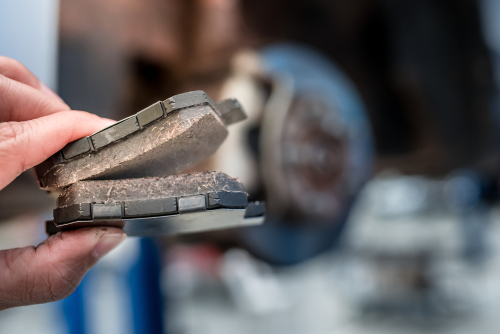
Hand,holding,an,uneven,surface,of,a,worn,out,disk

When it comes to vehicle maintenance, one aspect that should never be overlooked is the brakes. The braking system is undoubtedly one of the most crucial safety features in any vehicle. It is responsible for slowing down and stopping the car when necessary. To ensure the optimal functionality and safety of your brakes, regular inspections and maintenance are of utmost importance. In this blog post, we will delve into the significance of these routine checks and the potential consequences of neglecting them.

Prevention of Brake Failures

Regular brake inspections play a vital role in preventing brake failures. Over time, several components of the braking system can wear out or become damaged. This includes brake pads, rotors, calipers, brake lines, and brake fluid. By inspecting these components regularly, any signs of wear or damage can be identified, and necessary repairs or replacements can be carried out. By detecting issues in their early stages, brake failures and accidents can be prevented, ensuring the safety of both the driver and other road users.

Detection of Safety Hazards

Inspections and maintenance of brake systems help in the early detection of potential safety hazards. For instance, if there is uneven wear on the brake pads, it could indicate a problem with the calipers or brake system. Additionally, if there are any leaks in the brake lines, it could lead to a loss of brake fluid and a decrease in braking performance. Regular inspections can identify these hazards before they become serious problems, allowing for timely repairs and preventing accidents that could have occurred due to faulty brakes.

Enhanced Performance and Responsiveness

Regular inspections and maintenance also contribute to the enhanced performance and responsiveness of the braking system. When the brake pads are worn out or the rotors are damaged, it can result in decreased stopping power and longer stopping distances. This can be particularly risky in emergency situations where a quick stop might be necessary. By ensuring that the brake pads and rotors are in optimal condition, regular inspections and maintenance can improve the overall responsiveness and performance of the brakes, giving the driver confidence in their ability to stop the vehicle safely and efficiently.

Extended Lifespan of Brake Components

Investing in regular brake inspections and maintenance can also prolong the lifespan of the various brake components. When issues such as worn-out brake pads or contaminated brake fluid are identified and addressed promptly, it prevents them from causing further damage to other brake system components. By taking preventative measures, you can extend the life of your brake system as a whole, avoiding expensive repairs or replacements down the line.

Preservation of Warranty

Regular brake inspections and maintenance are essential for the preservation of any warranties that may come with your vehicle or brake components. Most manufacturers require regular maintenance to be performed to ensure the validity of any warranties. By adhering to these requirements, you can protect yourself from having to bear the costs of repairs or replacements that could have been covered under warranty.

Summary

Regular brake inspections and maintenance are vital for the safety, performance, and durability of your vehicle’s braking system. By conducting routine checks on brake components, potential failures and safety hazards can be detected early on, preventing accidents and costly repairs. Additionally, the overall performance and responsiveness of the brakes can be enhanced, giving the driver confidence in their ability to stop the vehicle efficiently. By preserving warranties and prolonging the lifespan of brake components, regular brake maintenance also contributes to long-term cost savings. Therefore, make sure to prioritize these inspections and maintenance tasks to keep your brakes in impeccable condition.

Need a Mechanic in La Grande, OR?

If you’re looking for professional assistance with maintaining your Subaru or have any questions about the tips and tricks mentioned, don’t hesitate to reach out to us at Integrity Automotive. Our experienced team is here to provide you with expert service and guidance to ensure your Subaru remains in top-notch condition. We specialize in Subaru maintenance and can help you keep your vehicle running smoothly for years to come. Contact us today to schedule an appointment and experience the difference of choosing Integrity Automotive for all your Subaru’s maintenance needs. Your Subaru deserves the best, and that’s precisely what we offer!

When to Get Your Brakes Checked

When to Get Your Brakes Checked

Your car’s brakes are one of the most critical components of your vehicle’s safety system, and regular maintenance helps keep them functioning correctly. Knowing when to get your brakes checked is crucial to prevent brake failure and potential accidents. In this post, we’ll discuss some warning signs that indicate it’s time to get your brakes checked.

1. Squeaking or Grinding Noise

One of the most common warning signs that your brakes need attention is a squeaking or grinding noise. You may hear a high-pitched squeal when applying your brakes, especially at low speeds. This noise is caused by worn-out brake pads, and it’s an indication that your brakes need to be checked as soon as possible.

If you ignore the noise, the brake pads can wear down entirely, resulting in metal-to-metal contact between the brake pad and the rotor, which can cause grinding. Grinding means that the brake pads have worn down significantly and need to be replaced immediately.

2. Vibrations or Shaking

If you feel vibration or shaking in the steering wheel or brake pedal while applying the brakes, it could be an indication that your brake rotors are warped. Warped rotors can occur over time due to excessive heat, which causes uneven wear on the rotors’ surface. As a result, when you apply the brakes, the pads don’t make even contact with the rotor, causing the vibration or shaking sensation.

If you notice this problem, get your brakes checked immediately. Driving with warped rotors can be dangerous and can cause uneven wear on your tires, leading to additional performance and safety issues.

3. Soft or Spongy Brake Pedal

If you notice that your brake pedal feels soft or spongy when applying the brakes, it could be a sign of a brake fluid leak or air in the brake lines. Brake fluid is responsible for moving the brake pads when the brake pedal is pressed, and if there is a leak in the brake system, the fluid can’t move the pads effectively.

If you ignore this problem, you’ll notice a decrease in braking performance, and the brake pedal will eventually go all the way to the floor. If this happens, you should not drive your vehicle or operate any moving parts until the problem is resolved.

4. Warning Light

Most of the modern cars are equipped with an electronic braking system that includes a brake warning light on your vehicle’s dashboard. If the warning light comes on, it indicates that there’s a problem with the brake system, and you should get it checked out as soon as possible.

Depending on your car’s make and model, the warning light may appear as “ABS” (anti-lock brake system) or may include a circle with an exclamation mark inside. It’s essential not to ignore the warning light and get it checked out immediately.

5. Slow Brake Response

If you notice that your brakes are slower to respond than usual, i.e., the car takes longer to come to a complete stop than it normally would, it could be an indication of a problem with the brake system. The slow response could be due to worn-out brake pads, which can reduce the friction between the pad and the rotor, resulting in a slower response time when you apply the brakes.

It’s essential to get your brakes checked if you notice slow brake response time as it can lead to further brake damage and a potential accident.

Conclusion

Your brakes are a vital component of your vehicle, and regular brake maintenance is necessary to ensure they are functioning correctly. Keeping an eye out for the warning signs of a problem with your brakes is crucial to prevent brake failure and keep you safe while driving. If you notice any of the warning signs mentioned above, get your brakes checked by a certified mechanic to ensure the continued safety and performance of your vehicle.