
Understanding Engine Overheating: Causes and Prevention for Oregon Drivers
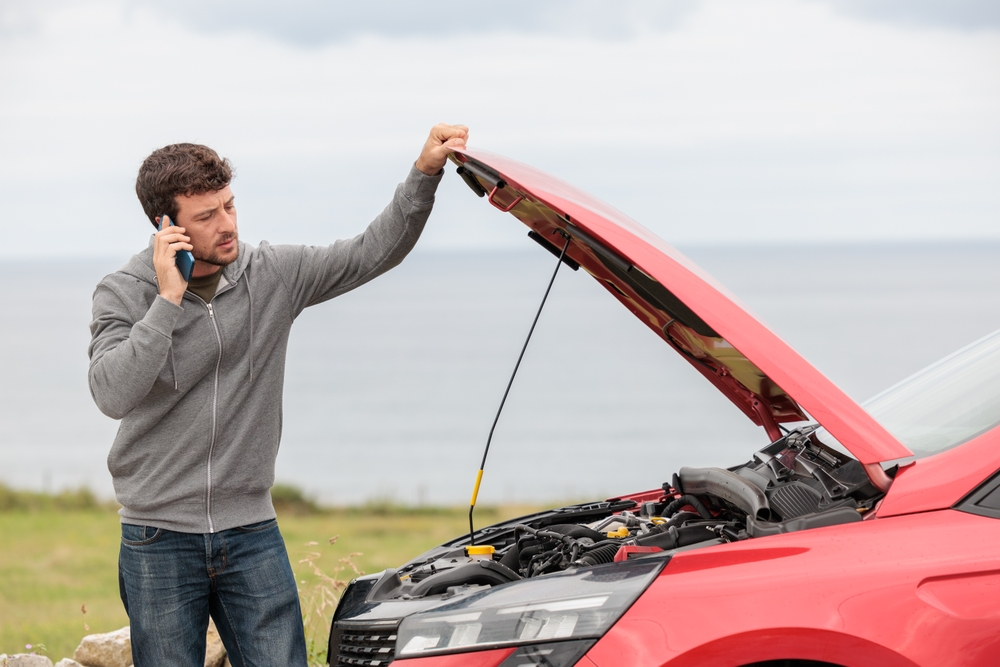
For drivers in Oregon, and especially those navigating the roads in and around La Grande, OR, understanding why engines overheat and what you can do to prevent it is essential knowledge. Whether you are commuting through the Blue Mountains or heading out on a long stretch of highway, being prepared can save you from a costly breakdown and serious engine damage.
Oregon’s climate presents a unique set of challenges for vehicles. From freezing winters to surprisingly hot summers in the eastern part of the state, your car’s cooling system is constantly working to maintain the right engine temperature. Knowing the engine overheating causes and how to address them before they become serious problems is the best thing you can do as a responsible vehicle owner.
What Causes Engine Overheating?
Engine overheating causes can range from simple, easy-to-fix issues to more complex mechanical failures. The most common culprit is a problem with the cooling system itself. Your engine relies on a carefully balanced combination of coolant (also known as antifreeze), a functioning thermostat, a radiator, water pump, and a series of hoses to regulate temperature. When any one of these components fails or is neglected, the result is often engine overheating.
Low coolant levels are one of the most frequent reasons drivers find themselves pulled over on the side of the road with steam rising from under the hood. Coolant can be lost through leaks in hoses, the radiator, or the water pump. Over time, hoses can crack and degrade, especially in regions that experience temperature extremes, which is very much the reality for drivers in La Grande, OR and surrounding communities.
A faulty thermostat is another common engine overheating cause. The thermostat regulates the flow of coolant through the engine. If it gets stuck in the closed position, coolant cannot circulate properly, and the engine temperature will climb quickly. Similarly, a failing water pump cannot move coolant efficiently, which leads to the same overheating result.
Radiator problems are also high on the list. A clogged or damaged radiator cannot dissipate heat effectively. Debris, rust, and mineral buildup can all reduce the radiator’s efficiency over time. Additionally, a broken radiator fan, whether it is the mechanical fan or the electric cooling fan, can prevent sufficient airflow through the radiator, especially at low speeds or when the vehicle is idling.
Finally, a blown head gasket is one of the more serious engine overheating causes. When a head gasket fails, coolant can leak into the combustion chamber or oil passages, dramatically reducing the cooling system’s ability to manage heat. This is a repair that should be handled promptly by a professional auto repair shop in La Grande, OR or wherever you are located, because driving on a blown head gasket can lead to catastrophic engine damage.
How Oregon’s Climate Affects Your Cooling System
Oregon is a state of contrasts. The western side of the Cascades experiences mild, wet weather for much of the year, while eastern Oregon, including the La Grande area, can see scorching summer temperatures and bitter cold winters. Both extremes put stress on your vehicle’s cooling system in different ways.
In summer, high ambient temperatures mean your engine has less room for error. When outside temps are high, the cooling system has to work much harder to keep engine temperatures within a safe range. This is when low coolant levels, a marginal thermostat, or a partially clogged radiator can push your engine into the overheating zone.
In winter, the concern shifts to the coolant mixture itself. Coolant is a blend of antifreeze and water, and the ratio matters. If there is too much water in the mixture, it can freeze in cold temperatures, blocking circulation entirely. Oregon winters, particularly in the higher elevations near La Grande, can be harsh enough to cause this kind of problem if your coolant has not been properly mixed or refreshed.
Drivers who regularly travel through mountain passes or spend time on long stretches of highway should be especially vigilant. Extended driving puts sustained demands on the cooling system, and any weakness in the system is more likely to show itself under those conditions.
Warning Signs and What to Do When Your Car Overheats
Knowing the warning signs of engine overheating can mean the difference between a manageable repair and a destroyed engine. The most obvious sign is the temperature gauge on your dashboard rising above the normal range. Many modern vehicles also have a dedicated warning light that will illuminate when the engine temperature is too high.
Other signs include steam or smoke coming from under the hood, a strong smell of coolant (which has a sweet, distinct odor), a thumping sound from the engine, or reduced engine performance. If you notice your heater suddenly blowing cold air even though it is set to hot, that can actually indicate low coolant, since the heater core relies on the same coolant system.
If your car overheats while you are driving, the safest course of action is to pull over as soon as possible and turn the engine off. Do not open the radiator cap right away, as the system is under pressure and can spray scalding coolant. Let the engine cool down for at least 30 minutes before attempting to inspect anything. If you are in an unfamiliar area or the situation seems serious, call for roadside assistance or contact an auto repair shop in La Grande, OR or the nearest available service center.
Adding coolant to a hot engine without letting it cool first can cause thermal shock and crack engine components. Patience is critical in these situations.
Prevention: Keeping Your Engine Cool Year-Round
The good news is that most cases of engine overheating are preventable with consistent maintenance. Staying ahead of these issues is far less expensive than dealing with the aftermath of a severely overheated engine.
Start with regular coolant flushes and top-offs. Your vehicle’s owner manual will specify how often this should be done, but as a general rule, the coolant system should be inspected at least once a year. In a place like La Grande, OR, where temperatures vary significantly by season, having your cooling system checked before summer and winter is a smart habit.
Have your thermostat and water pump inspected during routine maintenance visits. These components do not last forever, and replacing them proactively is far cheaper than dealing with an overheated engine. The same applies to radiator hoses, which should be checked for cracks, soft spots, or swelling.
Keep an eye on your temperature gauge as part of your normal driving routine. Modern drivers can become accustomed to ignoring dashboard indicators, but the temperature gauge is one you should never overlook. If it starts trending higher than usual, schedule a visit to a trusted auto repair shop in La Grande, OR before the problem escalates.
Making sure your radiator is clean and free of debris is also important, especially if you do a lot of off-road or rural driving in Oregon, where dust, insects, and debris can build up quickly.
Conclusion
Engine overheating is a serious issue, but it is also one that can largely be avoided with proper care and attention. For Oregon drivers, and especially those in the La Grande area, understanding the unique demands that the local climate places on your vehicle is a valuable first step. By staying on top of routine maintenance, learning to recognize the warning signs, and working with a reliable auto repair shop in La Grande, OR, you can keep your engine running cool and your drives worry-free.
Need a Mechanic in La Grande, OR?
Our team here at Integrity Automotive has provided quality auto repair services for our customers since 2003. We are a full service auto repair shop and specialize many types of vehicles, including European models such as BMW and Audi, as well as diesel trucks. Our services include engine repair, transmission services, and many more services. Moreover, we are ASE certified and are a proud member of NFIB, and we are a certified NAPA auto care center. Call or come in for immediate service!