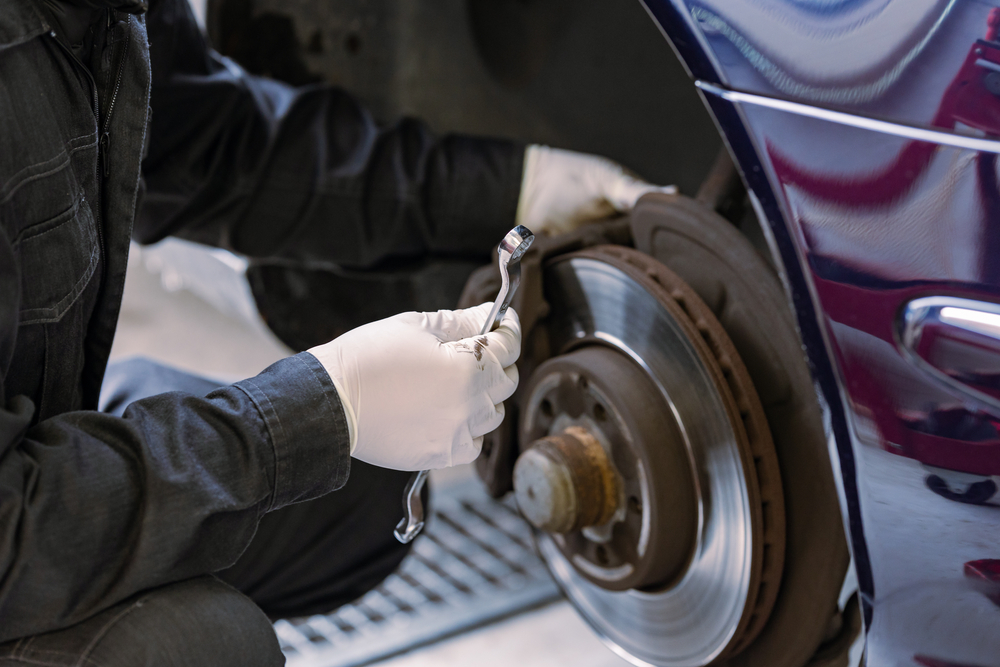
If you drive around La Grande, OR, your brakes handle everything from stop-and-go traffic downtown to steep grades on Interstate 84 and mountain roads through the Blue Mountains. Reliable braking is essential year-round, especially during wet weather, icy winters, and changing road conditions in Union County.
Quick Answer
Brake problems should never be ignored because they can quickly become serious safety hazards. Warning signs such as squealing, grinding, vibrations, soft brake pedals, pulling to one side, or dashboard warning lights often indicate that your braking system needs professional attention. Addressing these issues early can help prevent more expensive repairs and improve safety for everyone on the road.
What Local Drivers Should Know
Squealing brakes often indicate worn brake pads that should be inspected before they damage the rotors.
Winter snow and ice around La Grande can increase wear on brake components due to moisture and road treatment materials.
Frequent trips through the Blue Mountains or along Interstate 84 can place additional stress on braking systems because of long downhill grades.
Brake warning lights should never be ignored, even if your vehicle still seems to stop normally.
Regular brake inspections can help identify minor issues before they become costly repairs.
Why This Matters Locally
Brake performance is especially important for drivers throughout La Grande and surrounding communities like Island City, Cove, Elgin, and Union. Seasonal weather brings rain, snow, freezing temperatures, and icy roads that demand dependable stopping power. Mountain driving, elevation changes, and rural highways also require brakes that respond consistently under varying conditions.
At Integrity Automotive, we understand the challenges local drivers face. We believe routine inspections and timely brake repairs help keep families, commuters, students, and travelers safer throughout Union County.
Local Field Observations
Professional experience shows that many brake issues begin with routine wear that drivers may not notice right away. During inspections, we commonly find worn brake pads, heat-damaged rotors, contaminated brake fluid, or sticking brake calipers before they become complete brake failures.
Vehicles that regularly travel between La Grande, Pendleton, Baker City, and nearby mountain passes often experience faster brake wear because of repeated elevation changes and heavy braking.
Local Impact
Brake problems affect much more than stopping distance. Delaying repairs can lead to:
Increased repair costs from damaged rotors or calipers.
Reduced vehicle control during rain, snow, or icy roads.
Longer stopping distances in emergency situations.
Additional wear on tires and suspension components.
Reduced confidence while driving through mountain terrain.
Signs You Need Brake Repair
Brake problems usually provide warning signs before complete failure. Contact a professional if you notice any of the following:
1. Squealing or Screeching Sounds
High-pitched noises often indicate that brake pads have worn to their wear indicators.
2. Grinding When Braking
Grinding usually means the brake pad material has worn away completely, allowing metal components to contact the rotor.
3. Vibrating Brake Pedal
A vibrating pedal frequently points to warped brake rotors or uneven braking surfaces.
4. Soft or Spongy Brake Pedal
A pedal that feels unusually soft may indicate air in the brake lines, brake fluid problems, or hydraulic system issues.
5. Vehicle Pulling to One Side
Uneven braking may result from a sticking caliper, uneven pad wear, or brake fluid concerns.
6. Brake Warning Light
Modern vehicles monitor several brake system components. A warning light should always be inspected promptly.
7. Burning Smell After Braking
Overheated brakes can produce a sharp burning odor, especially after descending long grades.
When to Call a Professional
Brake inspections should be scheduled as soon as any warning sign appears. While drivers can occasionally inspect brake fluid levels or visually check pad thickness through the wheels, internal brake system repairs require specialized tools and proper safety procedures.
Driving with grinding brakes, a soft pedal, fluid leaks, or reduced stopping power should never be considered safe. Local winter weather and mountain roads can make these issues significantly more dangerous.
Common Local Causes of Brake Problems
Several conditions commonly contribute to brake wear around La Grande.
Frequent Mountain Driving
Long descents through the Blue Mountains generate additional brake heat and accelerate component wear.
Winter Moisture
Snow, slush, and moisture can contribute to corrosion on brake hardware and rotors.
Stop-and-Go Traffic
Daily commuting around town increases brake pad usage over time.
Delayed Maintenance
Waiting too long to replace worn pads often results in rotor damage and more expensive repairs.
Aging Brake Fluid
Brake fluid naturally absorbs moisture over time, reducing braking performance if left unchanged for extended periods.
Prevention and Maintenance
Routine maintenance helps extend brake life while improving safety.
Helpful maintenance practices include:
Schedule brake inspections during regular vehicle maintenance.
Listen for new noises while braking.
Replace brake pads before they become excessively worn.
Have brake fluid inspected according to manufacturer recommendations.
Reduce excessive braking during long downhill drives by using appropriate transmission gearing when possible.
Address warning lights promptly.
Expected Results After Brake Service
Professional brake service can restore smooth, predictable stopping performance. Depending on the repair, drivers often notice:
Quieter braking.
Improved pedal feel.
Shorter stopping distances.
Reduced vibrations.
More consistent braking during daily driving.
Greater confidence in changing weather conditions.
Common Mistakes Drivers Make
Ignoring Squealing
Consequence: Brake pads continue wearing until they damage rotors.
Better Approach: Schedule an inspection when the noise first appears.
Waiting for Complete Brake Failure
Consequence: Repairs become more extensive and expensive.
Better Approach: Address warning signs early.
Assuming Vibrations Are Tire Problems
Consequence: Brake rotor issues may continue worsening.
Better Approach: Have both the brakes and suspension inspected.
Skipping Brake Fluid Service
Consequence: Moisture contamination can reduce braking performance.
A driver commuting daily between La Grande and Island City begins hearing a light squealing sound while stopping at intersections. The vehicle still stops normally, so the noise is ignored for several weeks. Eventually, the squeal becomes a grinding sound, and the repair now requires both brake pads and new rotors instead of a simple pad replacement. Situations like this are common and illustrate why early inspections can help reduce repair costs.
Related Service Solutions
Brake concerns may involve one or several services, including:
Comprehensive diagnosis of the entire braking system
Recommended whenever symptoms appear
Early Brake Pad Replacement
Helps prevent rotor damage
Less expensive than delayed repairs
Waiting Until Brakes Fail
No immediate repair expense
Higher repair costs and increased safety risks
Service Areas
We proudly serve drivers throughout La Grande, Island City, Cove, Union, Elgin, and surrounding communities across Union County. Whether you commute locally or travel regularly across Eastern Oregon, we help keep your braking system performing safely.
The Cost of Ignoring Brake Problems
Delaying brake repairs often allows small issues to become much larger ones. Worn brake pads can damage rotors, sticking calipers can create uneven wear, and hydraulic problems can reduce stopping ability. Addressing brake concerns early is usually less expensive than repairing extensive damage later.
How often should brakes be inspected in La Grande?
Brake inspections are generally recommended during routine maintenance or whenever you notice unusual noises, vibrations, or warning lights. Drivers who frequently travel mountain roads may benefit from more frequent inspections.
Can cold winters affect my brakes?
Yes. Snow, moisture, and freezing temperatures around La Grande can contribute to corrosion and place additional demands on braking systems.
Is brake squealing always a sign of worn pads?
Not always. Squealing may result from moisture, brake dust, or worn pads. A professional inspection can identify the exact cause.
Why do my brakes shake when stopping?
Brake vibrations commonly indicate uneven rotor surfaces or warped rotors, although suspension issues can sometimes produce similar symptoms.
Should I drive if my brake warning light comes on in Union County?
Brake warning lights should be inspected as soon as possible because they may indicate hydraulic issues, low brake fluid, or other important safety concerns.
Do mountain roads increase brake wear?
Yes. Frequent driving through the Blue Mountains and other steep grades often causes brakes to work harder, leading to faster wear than flat-road driving.
How long do brake pads usually last?
Brake pad lifespan varies depending on driving habits, terrain, vehicle weight, and road conditions. Regular inspections are the best way to determine remaining brake life.
What happens during a brake inspection?
A technician typically evaluates brake pads, rotors, calipers, brake fluid, hoses, hardware, and overall braking performance to identify any needed repairs.
Keep Your Brakes Ready for Every Drive
Reliable brakes are one of the most important safety systems on your vehicle. Paying attention to early warning signs and scheduling inspections before problems worsen can help you stay safe on every drive throughout La Grande and the surrounding communities.
Schedule Trusted Brake Service in La Grande
Whether you’ve noticed unusual brake noises or simply want peace of mind before your next trip, we’re here to help. Contact us today to schedule your brake inspection and keep your vehicle stopping safely when it matters most.
If you’ve ever watched your teen head out from La Grande High School on a cold winter morning or drive back late from the Eastern Oregon University campus, you know that sinking feeling. Rural highways, icy patches, and long stretches without help make basic car care more than just a good habit. Around here, it’s a safety skill.
Basic car care for Eastern Oregon teen drivers means regularly checking tire pressure, monitoring engine oil levels, understanding dashboard warning lights, and knowing how to handle simple emergencies like a dead battery. In a place like Union County, where distances are long and weather changes quickly, these small habits can prevent breakdowns and keep young drivers safe on the road.
What families in Union County should know about teen driver car care
Eastern Oregon teen drivers face unique risks from icy roads, elevation changes, and long rural stretches with limited services.
Checking tire pressure becomes critical in winter since cold temperatures in the Grande Ronde Valley can quickly reduce PSI levels.
A basic car maintenance checklist helps teens avoid preventable breakdowns on Union County roads.
Parents can stay informed with digital inspections that show real photos of their teen’s vehicle condition.
Learning how to use jumper cables safely can make the difference between a minor inconvenience and being stranded.
Why car care matters more in Eastern Oregon
Basic car care matters more in this region because of cold winters, rural distances, and fewer immediate roadside services. Drivers traveling between La Grande, Island City, and Elgin often go miles without a gas station or mechanic, which means small issues can quickly become big problems.
The Grande Ronde Valley sees freezing temperatures that impact batteries, tire pressure, and fluid performance. Add in snow-packed roads near places like Mt. Emily Recreation Area or the highways leading toward Baker County, and vehicle reliability becomes essential, not optional.
For young drivers, this is often their first experience managing a vehicle independently. That learning curve happens in conditions that are less forgiving than urban areas.
We see this every day at Integrity Automotive. Parents want peace of mind, and teens need practical, hands-on knowledge they can actually use.
In Eastern Oregon, teen drivers need to understand basic car care skills like tire pressure checks, oil monitoring, and warning light awareness to stay safe on rural roads and in winter conditions. These skills directly reduce the risk of breakdowns, especially in areas where help may not be nearby.
Local realities young drivers should understand
Cold weather in Union County regularly lowers tire pressure overnight.
Rural highways between La Grande and Summerville often have limited cell service.
Winter driving conditions can change quickly, even within a few miles.
Students commuting to Eastern Oregon University often rely heavily on their vehicles for daily transportation.
According to the Oregon Department of Transportation, rural roads carry higher risks due to speed and distance between services.
If a vehicle isn’t maintained properly, even a short drive across town can turn into a stressful situation.
A safe place to learn basic car care in La Grande
Learning basic car care in La Grande is easiest when teens have a safe, judgment-free place to ask questions and see things firsthand. Many young drivers feel intimidated asking about “simple” things like checking oil or reading tire sidewalls, but those are exactly the skills they need.
At Integrity Automotive, we make it normal for teens to come in and learn. We’ll walk them through how to check engine oil levels, show them what proper tire pressure looks like, and explain dashboard warning lights in plain language.
Parents appreciate that their teens are learning directly from experienced technicians, not guessing from a video.
How digital inspections keep parents informed
Digital inspections allow parents to see exactly what’s going on with their teen’s vehicle without needing to be physically present. When a car comes into our shop, we send a detailed report with photos and notes straight to the parent’s phone or email.
This is especially helpful for families juggling work, school schedules, and activities across Union County. Whether your teen is driving across town or commuting from a nearby area like Cove or Imbler, you can stay connected to the condition of their vehicle.
Why safety-first maintenance matters for young drivers
Safety-first maintenance focuses on the components that are most likely to cause dangerous situations if they fail. For teen drivers, that means prioritizing brakes, tires, and battery health over less urgent repairs.
We always recommend checking brake thickness before winter, ensuring tires have enough tread for slick conditions, and confirming the battery is strong enough to handle cold starts. These are the issues most likely to leave a young driver stranded or at risk on rural roads.
Common warning signs teens should never ignore
Warning signs that a vehicle needs attention include dashboard lights, unusual noises, difficulty starting, and changes in handling. These signals often appear before a major issue develops, giving drivers a chance to act early.
Tire pressure light turning on during cold mornings
Engine oil light or dark, dirty oil on the dipstick
Squeaking or grinding brakes
Slow engine cranking or clicking when starting
Steering that feels loose or pulls to one side
Vibrations while driving on highways
A check engine light that stays on
Ignoring these signs can lead to breakdowns, higher repair costs, or unsafe driving conditions.
When teen drivers should ask for help
Teen drivers should ask for help when they notice warning lights, unusual performance, or when they are unsure how to check something safely. While learning basic maintenance is important, not every issue should be handled alone.
For example, checking tire pressure is a great DIY habit. Diagnosing a brake issue or engine problem is not. In a rural area, waiting too long to get help can mean getting stuck far from town.
Common causes of car trouble in Eastern Oregon
Car trouble in Eastern Oregon is most often caused by cold weather, long-distance driving, and inconsistent maintenance habits. These factors combine to create unique challenges for young drivers.
Cold temperatures weakening batteries
Fluctuating tire pressure due to weather swings
Long drives putting extra strain on engines
Infrequent oil checks leading to engine wear
Driving on rural roads with uneven surfaces
These issues are predictable, which means they are also preventable with the right habits.
How teens can prevent common car problems
Preventing car problems starts with simple, consistent habits that teens can build into their routine. A basic car maintenance checklist is one of the easiest ways to stay on track.
Check tire pressure once a month and before long drives
Check engine oil levels every few weeks
Keep an eye on dashboard warning lights
Learn how to use jumper cables safely
Schedule regular inspections before winter
These small steps go a long way in keeping a vehicle reliable.
What families can expect from good maintenance habits
Good maintenance habits lead to fewer breakdowns, lower repair costs, and more confidence behind the wheel. For parents, it means fewer emergency calls. For teens, it means independence without unnecessary risk.
Vehicles that are properly maintained handle better in winter conditions, start more reliably in cold weather, and last longer overall.
Local insight: In our experience, the most common preventable issue we see with young drivers is low tire pressure during winter months. It is simple to fix but often overlooked, especially during sudden temperature drops in the Grande Ronde Valley.
Common mistakes new drivers make with car care
Many new drivers make mistakes like ignoring warning lights, skipping routine checks, or assuming someone else will handle maintenance. These habits can lead to bigger issues down the road.
Ignoring dashboard warning lights
Waiting too long to check oil levels
Not understanding how cold affects tire pressure
Driving on worn tires during winter
Not knowing how to respond to a dead battery
The better approach is building simple routines and asking questions early.
A common local scenario
A common situation we see involves a student commuting to Eastern Oregon University who notices their tire pressure light but ignores it. After a cold snap overnight, their tires drop below safe levels, leading to poor traction on icy roads.
In most cases, this could have been avoided with a quick pressure check and adjustment before heading out.
How Integrity Automotive helps local families stay safe
Integrity Automotive helps local families stay safe by focusing on preventative maintenance, clear communication, and education for young drivers. Our services include inspections, brake checks, tire evaluations, and battery testing, all with a focus on safety.
We take the time to explain what we’re seeing and why it matters, so both parents and teens feel confident in the decisions they’re making.
DIY car care works well for routine checks like tire pressure and oil levels, while professional help is essential for diagnostics, repairs, and safety inspections. Both play an important role.
For teen drivers, the goal is not to do everything themselves, but to understand enough to recognize when something is wrong.
Serving La Grande and surrounding communities
We proudly serve drivers throughout La Grande, Island City, Cove, Imbler, and across Union County. Our team understands the local roads, weather, and driving patterns that affect vehicle performance in this region.
The real cost of ignoring basic car care
Ignoring basic car care can lead to breakdowns, expensive repairs, and unsafe driving situations. In rural Eastern Oregon, it can also mean being stranded far from help.
A simple missed oil check can turn into engine damage. Low tire pressure can reduce traction on icy roads. A weak battery can fail at the worst possible time.
What should Eastern Oregon teen drivers check regularly on their car?
Eastern Oregon teen drivers should regularly check tire pressure, engine oil levels, and dashboard warning lights. These simple checks help prevent breakdowns on rural roads and keep vehicles safe during cold weather conditions common in Union County.
How often should tire pressure be checked in La Grande?
Tire pressure should be checked at least once a month and more often during winter. Cold temperatures in the Grande Ronde Valley can cause pressure to drop quickly, which affects traction and safety.
What does a check engine light mean for a young driver?
A check engine light means the vehicle has detected a problem that needs attention. It could be minor or serious, but it should never be ignored, especially when driving long distances between towns.
Is it safe for teens to jump-start a car?
It is safe if they know how to use jumper cables correctly. Teens should be taught proper steps to avoid electrical damage or injury, and when in doubt, they should ask for help.
Why is preventative maintenance important for young drivers?
Preventative maintenance reduces the risk of unexpected breakdowns and helps vehicles perform reliably. This is especially important in rural Oregon, where help may not be close by.
When should parents schedule a professional inspection?
Parents should schedule inspections before winter, before long trips, or anytime a warning light appears. Regular inspections provide peace of mind and catch issues early.
Helping the next generation drive with confidence
We understand what it’s like to send a new driver out onto Union County roads. Our goal is to help families feel confident that their vehicles are safe, reliable, and ready for whatever conditions come their way.
Keep your teen safe on the road in La Grande
Give your teen the confidence to handle the road ahead with a vehicle you trust. We’re here to answer questions, show them the basics, and make sure their car is ready for local driving conditions.
When temperatures climb across the Grande Ronde Valley, even a short drive from Island City to downtown La Grande can feel uncomfortable without reliable air conditioning. Many drivers don’t think about their A/C system until that first hot afternoon hits, and by then, small issues have already started to grow.
Your vehicle’s A/C system should be inspected before summer because Eastern Oregon’s heat, dust, and long driving distances can quickly turn minor airflow or refrigerant issues into costly repairs. In La Grande OR and surrounding communities, proactive car A/C service helps ensure consistent cooling, prevents compressor damage, and keeps your automotive climate control system running efficiently when you need it most.
What drivers in Union County should know before summer hits
A weak A/C system in the Grande Ronde Valley often points to refrigerant loss or restricted airflow, not just “low Freon.”
Dust from rural roads and agricultural activity in areas like Cove and Elgin frequently clogs cabin air filters, reducing airflow and causing musty smells.
Regular vehicle air conditioning repair checks in Union County can prevent major failures during peak summer travel.
Eastern Oregon summers bring wide temperature swings, which put added stress on your A/C compressor and seals.
Why A/C performance matters more in Eastern Oregon summers
A/C performance in Eastern Oregon summers matters because high daytime heat, dusty conditions, and long travel distances strain your automotive climate control system more than in milder climates. Drivers traveling between Union, Elgin, and La Grande often rely on consistent cooling for both comfort and safety.
In this region, it’s not just about staying cool. Long highway drives across open terrain mean your system runs longer and harder. Combine that with fine dust from agricultural areas and gravel roads, and you have the perfect conditions for airflow issues and system wear.
At Integrity Automotive, we see these patterns every year. Many vehicles come in with weak airflow or inconsistent cooling that could have been prevented with early inspection.
Summer driving in Union County often includes trips over mountain passes or extended highway stretches. A failing A/C system in those conditions is more than inconvenient. It can make driving exhausting and even unsafe.
In the Grande Ronde Valley, vehicle A/C systems commonly struggle due to dust buildup, refrigerant leaks, and heavy seasonal use. Local drivers benefit from early inspections that identify these issues before peak summer demand.
Local facts about vehicle A/C systems in this region:
Agricultural dust in areas like Cove and Union frequently clogs cabin air filters faster than in urban environments.
Temperature swings between cool mornings and hot afternoons stress seals and hoses.
Long-distance commuting between small towns increases A/C system run time.
Vehicles parked outdoors in La Grande experience higher interior heat buildup, increasing system workload.
According to the National Weather Service, Eastern Oregon regularly sees summer temperatures in the 80s and 90s, which increases demand on cooling systems.
If you’re unsure how your system is performing, this is the right time to take a closer look.
Local data and real-world observations from Union County
Local data shows that temperature extremes and environmental conditions in Union County significantly increase wear on vehicle A/C systems compared to coastal or urban regions. Field experience confirms that dust and extended system use are leading contributors to performance issues.
According to the National Weather Service, La Grande regularly experiences hot, dry summers with significant daily temperature swings. These conditions cause expansion and contraction in A/C components, increasing the likelihood of leaks over time.
From what we see in the shop, the most common issues are not catastrophic failures. Instead, they are gradual declines in performance, such as reduced airflow or slow refrigerant loss.
How A/C problems affect daily driving in the Grande Ronde Valley
A/C problems in the Grande Ronde Valley affect daily driving by reducing comfort, increasing fatigue, and potentially leading to more expensive repairs if ignored. Even minor issues can quickly escalate during peak summer heat.
Imagine commuting from Island City to work on a 90-degree afternoon with weak airflow. The cabin never fully cools, and the system runs constantly, putting extra strain on the compressor.
For families heading out on summer road trips or running errands around Union County, a failing A/C system can turn routine drives into uncomfortable experiences.
What we see every summer at our shop
We regularly see preventable A/C issues caused by delayed maintenance and overlooked warning signs. Most of these problems start small and become expensive only when ignored.
One of the biggest misconceptions is that a refrigerant recharge alone fixes everything. In reality, low refrigerant usually means there is a leak that needs to be diagnosed.
That’s why we perform comprehensive system diagnostics instead of quick fixes. Our process includes pressure testing and leak inspection to identify the root cause.
We also provide digital inspection reports with photos, so you can see exactly what we see before making any decisions.
Warning signs your vehicle A/C system needs attention
Common warning signs include weak airflow, inconsistent cooling, unusual odors, and longer cooling times. These symptoms often appear before major system failure.
Watch for these issues:
Weak airflow from vents even at high settings
Air that starts cool but quickly becomes warm
Musty or dusty smells inside the cabin
Unusual noises when the A/C is running
Visible leaks under the vehicle
A/C taking longer than usual to cool the interior
Ignoring these signs can lead to compressor damage, which is one of the most expensive A/C repairs.
When to call a professional for A/C service
You should call a professional when airflow is weak, cooling is inconsistent, or you suspect a refrigerant leak. These issues require proper tools and diagnostics to fix safely.
Drivers can check basic things like vent airflow and cabin air filter condition. However, refrigerant handling and leak detection should always be handled by a trained technician.
In this region, dust and temperature changes make early intervention even more important.
Common causes of A/C issues in La Grande OR and nearby areas
The most common causes include clogged cabin air filters, refrigerant leaks, compressor wear, and dust contamination. These are all influenced by local driving conditions.
Top causes in this area:
Dust and debris clogging the cabin air filter
Small refrigerant leaks from worn seals
Heavy system use during long drives
Aging A/C compressors under stress
Lack of routine Car A/C service
How to prevent A/C problems before summer
Preventing A/C problems starts with regular inspections, timely filter changes, and early diagnostics. Small steps can prevent major repairs.
We recommend:
Replacing the cabin air filter regularly
Scheduling a seasonal A/C inspection
Addressing weak airflow immediately
Avoiding DIY refrigerant kits that mask real issues
What results you can expect from proper A/C service
Proper A/C service restores strong airflow, consistent cooling, and overall system efficiency. It also reduces the risk of costly repairs later.
Most drivers notice:
Faster cooling times
Improved airflow
Elimination of odors
More consistent cabin temperatures
Expert insight from our team
Regular A/C inspections before summer are one of the most cost-effective ways to avoid major repairs. In our experience, most compressor failures could have been prevented with early leak detection and maintenance.
Common mistakes drivers make with A/C systems
Common mistakes include ignoring early symptoms, relying on quick recharge kits, and skipping routine maintenance. These often lead to bigger problems.
Mistakes to avoid:
Waiting until the system stops working completely
Using over-the-counter refrigerant without diagnosis
Forgetting about the cabin air filter
Assuming weak airflow is normal
A common local scenario we see every year
A typical scenario involves a driver experiencing weak airflow due to a clogged cabin air filter combined with low refrigerant. This combination is very common in rural parts of Union County.
The solution usually includes replacing the filter and performing a full diagnostic to locate any leaks. Once addressed, the system returns to normal performance.
How our services solve A/C problems
Vehicle air conditioning repair services solve these issues through diagnostics, leak detection, and component repair or replacement. A proper approach ensures long-term performance.
Our services include:
Comprehensive A/C system diagnostics
Refrigerant recharge with leak detection
A/C compressor repair
Cabin air filter inspection and replacement
Compare your options for A/C repair
Drivers can choose between temporary fixes and full diagnostic repairs, but only diagnostics provide lasting results.
DIY recharge kits may offer short-term relief but often hide underlying problems. Professional service identifies and fixes the root cause, saving money over time.
Service coverage across the Grande Ronde Valley
We serve drivers throughout La Grande, Island City, Union, Cove, and Elgin. Our familiarity with local driving conditions allows us to diagnose problems quickly and accurately.
The cost of ignoring A/C issues
Ignoring A/C issues can lead to compressor failure, higher repair costs, and reduced vehicle comfort. What starts as a minor issue can become a major expense.
Frequently asked questions about vehicle A/C systems
How often should I get Car A/C service in La Grande OR?
Car A/C service should be checked at least once a year, ideally before summer. In this region, dust and temperature changes make annual inspections especially important.
Why is my A/C blowing weak air in Union County?
Weak airflow is usually caused by a clogged cabin air filter or restricted vents. Local dust and debris are common contributors.
Is a refrigerant recharge enough to fix my A/C?
A refrigerant recharge alone is not a permanent fix if there is a leak. Proper diagnostics are needed to identify the root cause.
What does a musty smell from my vents mean?
A musty smell often indicates a dirty cabin air filter or moisture buildup in the system. This is common in dusty environments.
How do I know if I need A/C compressor repair?
Loud noises, inconsistent cooling, or complete system failure can indicate compressor issues.
Can I drive with a failing A/C system?
Yes, but it can lead to further damage and discomfort, especially during hot Eastern Oregon summers.
Closing thoughts
Drivers across the Grande Ronde Valley depend on their vehicles every day, especially during the summer months. Staying ahead of A/C issues means fewer surprises and more comfortable drives.
Stay cool and drive with confidence this summer
Get ahead of the heat with a professional A/C inspection you can trust. We’ll help you understand your system, spot issues early, and keep your vehicle ready for every mile ahead.
Spark plugs are small but mighty components that play a critical role in how your engine performs. Yet they are one of the most overlooked parts of routine vehicle maintenance. Understanding when to replace spark plugs and why it matters can save you money, prevent bigger problems down the road, and keep your car running at its best.
What Spark Plugs Do and Why They Matter
Spark plugs are responsible for igniting the air-fuel mixture inside your engine’s combustion chambers. Every time you press the gas pedal, your spark plugs fire thousands of times per minute to keep your engine running smoothly. Over time, this constant use causes the electrodes on the plugs to wear down, which reduces their ability to generate a strong, consistent spark.
When spark plugs are functioning properly, your engine runs efficiently, accelerates smoothly, and delivers solid fuel mileage. When they begin to fail, you may notice misfires, sluggish acceleration, rough idling, or a noticeable drop in gas mileage. In some cases, a failing spark plug can even trigger your check engine light. Keeping up with spark plug maintenance is one of the simplest ways to protect your engine and avoid costly repairs.
How Long Do Spark Plugs Actually Last?
The lifespan of a spark plug depends largely on the type of plug your vehicle uses. Conventional copper spark plugs tend to last somewhere between 20,000 and 30,000 miles. These are the most affordable option, but they require more frequent replacement compared to other types.
Platinum spark plugs offer a longer service life, typically ranging from 60,000 to 100,000 miles. Iridium spark plugs, which are found in many modern vehicles, are the most durable option and can last anywhere from 80,000 to 120,000 miles or more under normal driving conditions.
The best way to know the recommended replacement interval for your specific vehicle is to check your owner’s manual. Manufacturers outline service schedules based on the type of spark plug your engine requires. If you are unsure about the current condition of your plugs, a trusted shop offering auto repair in La Grande, OR can perform an inspection and give you an honest assessment.
Signs That It Is Time for a Replacement
Even if you have not hit the mileage threshold for spark plug replacement, your vehicle may give you early warning signs that the plugs are struggling. One of the most common indicators is engine misfiring, which can feel like a momentary stumble or hesitation while accelerating. You might also experience rough idling, where the engine vibrates or shakes more than usual when sitting at a stop.
Another sign to watch for is reduced fuel efficiency. If you notice that you are filling up the tank more frequently than usual without any change in your driving habits, worn spark plugs could be reducing combustion efficiency. Difficulty starting the engine is another red flag, especially in colder weather.
If your vehicle is displaying any of these symptoms, do not wait for the issue to get worse. Scheduling vehicle tune-up services sooner rather than later can prevent damage to other components, including the ignition coils and catalytic converter, both of which can be expensive to replace.
Factors That Can Shorten Spark Plug Life
While mileage is the primary guide for when to replace spark plugs, several other factors can cause them to wear out ahead of schedule. Using the wrong type of spark plug for your engine is one common mistake. Each engine is designed for a specific plug type and heat range, and using an incorrect plug can lead to fouling or premature wear.
Driving habits also play a role. Frequent short trips that do not allow the engine to fully warm up can cause carbon deposits to build up on the spark plug electrodes over time. Similarly, an engine that burns oil due to worn piston rings or valve seals can foul spark plugs much faster than usual.
Poor fuel quality and running a rich or lean air-fuel mixture can also accelerate spark plug wear. If your vehicle has underlying issues with the fuel injectors, oxygen sensors, or air filter, those problems can put extra stress on the spark plugs and cause them to fail earlier than expected. Addressing those root issues as part of comprehensive spark plug maintenance is important for long-term engine health.
What to Expect During a Spark Plug Service
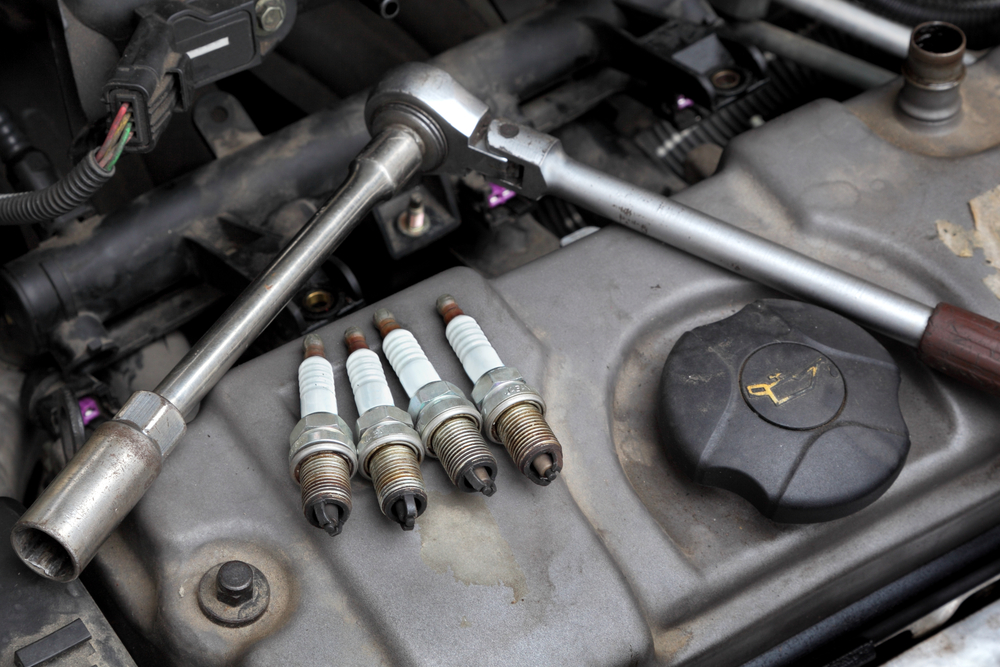
Getting your spark plugs replaced is a straightforward service that is typically completed during a routine tune-up. A technician will first remove the ignition coils or spark plug wires, then use a spark plug socket to carefully remove each plug from the cylinder head. The condition of the old plugs can actually tell a skilled technician a lot about how your engine is running.
Light tan or gray deposits on the electrodes indicate normal wear. Black, sooty deposits may suggest a rich fuel mixture or oil contamination. White or blistered electrodes can point to overheating or an incorrect heat range. This visual inspection is a valuable diagnostic tool in addition to the replacement itself.
New plugs are then gapped to the manufacturer’s specification and torqued to the correct setting before installation. The entire process is efficient, and most vehicles take less than an hour depending on engine configuration. Drivers looking for spark plug replacement in La Grande, OR can expect this service to be completed quickly by an experienced shop, getting them back on the road without a long wait.
After the new plugs are installed, many drivers notice an immediate improvement in engine smoothness, throttle response, and fuel economy. It is one of those maintenance services that delivers a noticeable difference you can actually feel behind the wheel.
Conclusion
Spark plugs are a small investment that pays off in a big way. Staying proactive about when to replace spark plugs keeps your engine running efficiently, helps you avoid unexpected breakdowns, and extends the overall life of your vehicle. Whether you are due for a scheduled replacement or noticing warning signs, do not put it off. Reach out to a local shop offering auto repair in La Grande, OR, and let a qualified technician handle the job right.
Need a Mechanic in La Grande, OR?
Our team here at Integrity Automotive has provided quality auto repair services for our customers since 2003. We are a full service auto repair shop and specialize many types of vehicles, including European models such as BMW and Audi, as well as diesel trucks. Our services include engine repair, transmission services, and many more services. Moreover, we are ASE certified and are a proud member of NFIB, and we are a certified NAPA auto care center. Call or come in for immediate service!
When your vehicle starts acting up, the last thing you want is a guessing game at the repair shop. Modern vehicles are complex machines with hundreds of interconnected systems, and pinpointing the source of a problem without the right tools can take hours, or even days. That is where professional automotive diagnostic services come in.
For drivers in La Grande, OR and the surrounding area, having access to skilled technicians armed with advanced diagnostic equipment can mean the difference between a quick fix and a drawn-out ordeal.
What Are Automotive Diagnostic Services and Why Do They Matter?
Automotive diagnostic services are the systematic process of using specialized tools and software to communicate directly with a vehicle’s onboard computer systems. Every vehicle built after 1996 comes equipped with an OBD-II port, which stores fault codes and performance data that technicians can access with a scan tool. These codes give technicians a starting point, but professional diagnostics goes far beyond simply reading a code and ordering a part.
A trained technician interprets the data in context. They analyze live sensor readings, compare them against manufacturer specifications, and use their knowledge of how different systems interact to zero in on the actual root cause of a problem. This level of precision matters because many fault codes point to symptoms rather than causes. Replacing the first part flagged by a generic code reader is a common mistake that leads to unnecessary expenses and repeat visits to the shop.
For anyone seeking vehicle diagnostics in La Grande, OR, working with a certified shop means your vehicle is evaluated by someone who understands the full picture, not just the surface-level data.
The Check Engine Light: What It Really Means
Few things cause more anxiety for drivers than seeing the check engine light flicker on. It is a small light with a big job, designed to alert you that something in your vehicle’s emissions, engine, or drivetrain systems needs attention. The problem is that this one light can represent hundreds of different issues, ranging from a loose gas cap to a failing catalytic converter.
This is exactly why a proper check engine light diagnosis is so important. Professional technicians do not just pull codes and call it a day. They perform a full evaluation that includes reviewing freeze frame data (the conditions your vehicle recorded when the fault occurred), testing relevant components, and ruling out secondary causes. In many cases, multiple codes appear at once, and an experienced technician knows which one is the primary fault and which ones are downstream effects.
Ignoring the check engine light is never a wise choice. What starts as a minor issue can escalate into a much more costly repair if left unaddressed. Addressing warning lights quickly, with the help of professional auto repair in La Grande, OR, protects both your vehicle and your wallet.
How Advanced Diagnostic Tools Speed Up the Repair Process
One of the biggest advantages of professional diagnostics is speed. Before modern diagnostic equipment became standard, technicians often had to rely on trial and error, testing components one by one until the culprit was found. That process was time-consuming and expensive for the customer.
Today, factory-level scan tools can communicate with every module in your vehicle, from the engine control module to the anti-lock brake system, the transmission control module, and beyond. Technicians can run specific tests, activate individual components remotely, and monitor real-time data streams to watch how systems behave under various conditions. This capability dramatically narrows the field of possible causes and allows repairs to be made with confidence.
For drivers who rely on their vehicles for work or family responsibilities, less time in the shop matters. Professional vehicle diagnostics in La Grande, OR shortens diagnostic time, which means faster turnaround and fewer days without your car or truck.
Common Problems That Diagnostics Uncovers Early
Professional diagnostics is not only useful when something has already gone wrong. Many shops recommend periodic diagnostic scans as part of a preventive maintenance strategy. These scans can reveal pending fault codes, which are issues that have been detected by the vehicle’s computer but have not yet triggered a warning light.
Catching these early warnings gives you the opportunity to address small problems before they become large ones. Common issues that diagnostics can uncover early include oxygen sensor degradation, misfires that occur only under certain conditions, transmission fluid temperature irregularities, and early-stage battery or charging system concerns. Each of these, if left undetected, can lead to significant mechanical failures and expensive repairs.
Automotive diagnostic services also play a critical role after a vehicle has been in a collision. Even when a vehicle looks fine on the outside, sensors and modules can be affected by impact forces. A post-collision scan ensures that no hidden faults are lurking in the system before the vehicle is returned to the road.
Choosing the Right Shop for Diagnostics and Repair
Not all shops are created equal when it comes to diagnostic capability. Choosing a shop that invests in up-to-date equipment and employs trained, certified technicians is essential for getting accurate results. A shop that uses factory-level or OEM-equivalent diagnostic tools has access to the same software and technical service information that dealership technicians use, without the dealership price tag.
When looking for auto repair in La Grande, OR, ask about the types of diagnostic tools the shop uses and whether their technicians hold current certifications. A reputable shop will be transparent about their process, explain what was found in plain language, and provide a clear estimate before any work begins. They will also stand behind their diagnosis and their repairs.
Good communication is another hallmark of a quality shop. A technician who takes the time to explain what the diagnostic revealed, why a specific repair is recommended, and what happens if the issue goes unaddressed is one who respects the customer and values their trust.
Conclusion
Professional diagnostics is one of the most valuable services a repair shop can offer. It saves time, reduces unnecessary parts costs, and gives drivers the confidence that their vehicle has been accurately assessed. Whether your check engine light just came on or you want a proactive scan before a long road trip, working with a trusted shop that specializes in automotive diagnostic services is a smart investment. For drivers seeking reliable vehicle diagnostics in La Grande, OR, finding a shop with the right tools and the right expertise makes all the difference.
Need a Mechanic in La Grande, OR?
Our team here at Integrity Automotive has provided quality auto repair services for our customers since 2003. We are a full service auto repair shop and specialize many types of vehicles, including European models such as BMW and Audi, as well as diesel trucks. Our services include engine repair, transmission services, and many more services. Moreover, we are ASE certified and are a proud member of NFIB, and we are a certified NAPA auto care center. Call or come in for immediate service!